Lessons Beyond the Classroom: My Experience in the 7 Habits and Love Class

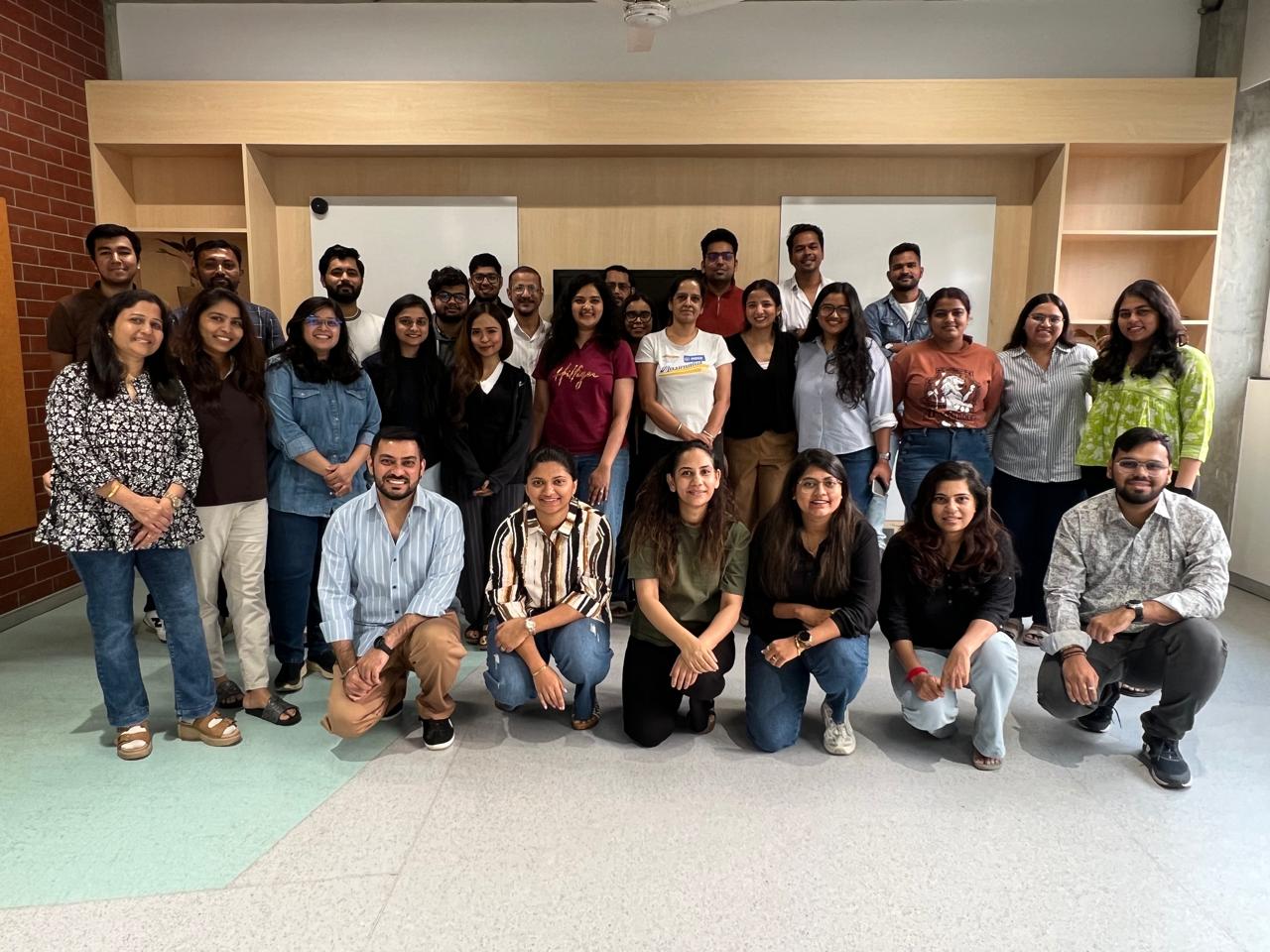
Sometimes the most meaningful learning does not come from textbooks or lectures, but from conversations, reflections, and shared experiences. The 7 Habits and Love class was one such journey for me. Over the course of the sessions, I found myself thinking deeply about not only the habits that shape our lives but also the relationships and roles that define us as individuals.

One thing that stood out to me was how thoughtfully the sessions were planned by the Wilmot Sir and Utsav Sir. Every session had a clear purpose and flow, which made the learning experience engaging and meaningful. The activities, discussions, and reflections were carefully structured so that each concept gradually built on the previous one.

Another aspect that made the sessions memorable was the interactive approach to learning. The games, quizzes, and group activities created a comfortable environment where everyone could participate and learn from one another. I particularly appreciated how these activities demonstrated that learning can be both enjoyable and impactful.

The movies shown during the sessions were also very relatable. They helped connect the theoretical ideas with real-life situations, making the discussions more practical and easier to understand. Watching the characters navigate relationships and life choices allowed us to reflect on similar situations in our own lives.

However, what made the sessions truly powerful was the honesty and openness of the facilitators in sharing their own life stories and experiences. Their willingness to talk about their journeys, challenges, and lessons created a genuine and trusting learning environment. Hearing real-life experiences made the concepts feel authentic and meaningful rather than purely theoretical.

Listening to different perspectives during the sessions also reminded me that everyone’s journey is unique, yet many of the emotions and challenges we experience are shared. It helped me develop a deeper sense of empathy and understanding towards others.

The sessions also reinforced the idea that personal growth is an ongoing process. Life is not about being perfect or always making the right decisions. Instead, it is about learning from our experiences, reflecting on our choices, and continuously striving to improve.

In many ways, the 7 Habits and Love class gave me the opportunity to look within myself, understand my thoughts and emotions more deeply. What started as a learning experience gradually turned into a space where I could reflect, grow, and make some truly wonderful friends along the way.

સેવન હૅબિટ્સ થી સપ્તપદી સુધીની સફર

જ્યારે આપણે કોઈ નવા સ્થળે કામ શરૂ કરીએ ત્યારે મનમાં ઘણા પ્રશ્નો આવે. મને ત્યાં ગમશે? શું મારું સન્માન જળવાશે? મારી ટીમ કેવી હશે? હું ત્યાં કામ કરવાને લાયક છું? આવા અનેક પ્રશ્નો સાથે હું પણ ફાઉન્ટેનહેડમાં જોડાયો. કામ શરૂ કર્યાના થોડા જ દિવસોમાં વિલમોટ ચૌધરીના નામે એક ઈમેઈલ મેઈલબોક્સમાં ટપકી પડ્યો. “આ કોઈ સ્કેમ તો નહીં હોય ને?” “હેં!? આવું તે કેવું નામ?” એવા વિચારો પળવારમાં માનસપટલ પરથી પસાર થયા. પરંતુ આ તો કોઈ “લાઈફ ક્લાસીસ” માં ભાવભર્યું નિમંત્રણ પાઠવતો ઈમેઈલ હતો.

લાઈફ ક્લાસીસને અલગથલક કે એકાંકી (Isolated) કાર્યક્રમ તરીકે લેવો એ બહુ મોટી ભૂલ છે. લાઈફ ક્લાસીસના પ્રથમ દિવસે બે વ્યક્તિત્વો સાથે મુલાકાત થઈ – એક વિલમોટભાઈ અને બીજા ઉત્સવભાઈ. મારી સામે અનુભવના અનેક આયામ સર કરેલા બે વ્યક્તિઓ એકદમ સરળ અને જમીન સાથે જોડાયેલા જણાયા. ‘સેવન હૅબિટ્સ’ જેવા વિષયો પર લખાયેલા પુસ્તકોનો હું પુરજોર વિરોધી, અને અહોભાગ્ય! તે જ વિષય મારી સામે આવીને ઊભો હતો. પરંતુ જેમ જેમ લાઈફ ક્લાસીસના દિવસો પસાર થતા ગયા, તેમ તેમ આ વિષયના વધુ ગહન અને બહુપરિમાણીય અનુભવો પ્રાપ્ત થતા ગયા.

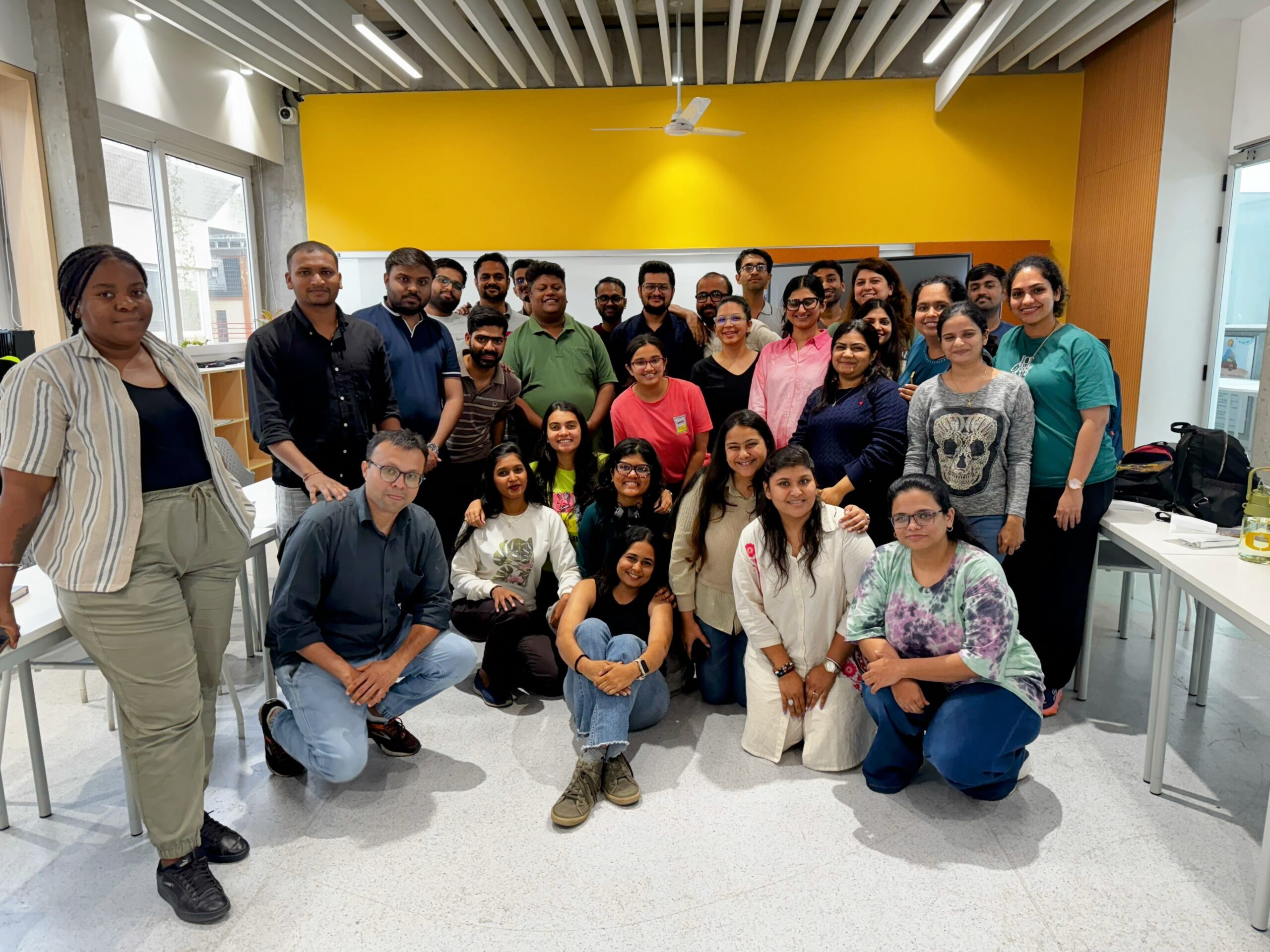
બંને મહાનુભાવોની પોતાની જીવનીનું વિવરણ વધુ રોચક, આશ્ચર્યજનક, ઊંડું, લાગણીસભર અને પ્રેમાળ બનતું ગયું. ધીમે ધીમે લાગવા માંડ્યું કે FS કોઈ સામાન્ય જગ્યા નથી. આ કાર્યક્રમ ફક્ત કરવા ખાતર આયોજિત કોઈ નીરસ કોર્પોરેટ કાર્યક્રમ નથી. અહીં પ્રેમ પ્રવર્તી રહ્યો છે; અહીં દંભ નથી. અહીં ભૂખ છે — સતત ભણતરની ભૂખ. લાઈફ ક્લાસીસના સંચાલકોએ પોતાના જીવનનું લગભગ દરેક પાનું તમારી સમક્ષ ખુલ્લું મૂકી દીધું છે, જેનાથી તમે પણ ડરનો ત્યાગ કરી નિખાલસ બની જાવ છો. બસ આ જ ક્ષણે તમે સંચાલકો અને બાકીના દરેક સહભાગી મિત્રો સાથે એક અવર્ણીય સંબંધ બાંધી બેસો છો.

લાઈફ ક્લાસીસના વિષયોની ઊંડાણપૂર્વક ચર્ચાઓ થતી રહી, પરંતુ આ ૮ દિવસો દરમિયાન ટીમ લીડર અને વાઇસ પ્રિન્સિપાલ સાથેનો વાર્તાલાપ, તેમની સમજ અને વ્યવહારના ઝીણવટભર્યા અવલોકનોએ મને FS ની સંસ્કૃતિ વિશે ઘણું બધું શીખવ્યું. જ્યાં ‘સેવન હૅબિટ્સ’ ને સ્થાન છે ત્યાં ‘સપ્તપદી’ ને પણ સ્થાન છે. જ્યાં અંગ્રેજી બોલાય છે ત્યાં માતૃભાષાને પણ તેટલું જ મહત્વ અપાય છે.

હું આ લાઈફ ક્લાસીસને માત્ર એક “Isolated Event” તરીકે નથી જોતો. તે FS ની સંસ્કૃતિ, તેના પાયાના વિચારો, મૂલ્યનિષ્ઠ શિક્ષણના લક્ષ્યો અને પાયામાં રહેલા વ્યક્તિઓ વિશે ઘણું બધું કહી જાય છે. માત્ર IB શાળા હોવું પૂરતું નથી; પાયો ખોદનાર વ્યક્તિઓની મજબૂત વિચારધારા અને તેને અમલમાં લાવવાની ક્ષમતા પર જ શાળાની સફળતા નભે છે. આ કામગીરી પાર પાડવી એ કોઈ ધૂણી ધખાવીને બેઠેલા સંત જેટલી શાંતિ, એકાગ્રતા, સહિષ્ણુતા અને આત્મવિશ્વાસની સાક્ષી પૂરે છે. અત્યારસુધીની FS ની સફરને સરળ બનાવવા બદલ, જીવન જીવવાની કળાને મૂર્તિમંત કરતા આ જીવંત લાઈફ ક્લાસીસનો આભાર.

Life Class: On Love & Marriage

Days 5 & 6 — Love Class: Knowing Love from The Road Less Traveled

These two sessions were an extension of something already building — a continuation called the Love Class, anchored in M. Scott Peck’s The Road Less Traveled. The book opens with perhaps the most honest sentence in self-help literature: “Life is difficult.” And from that unflinching starting point, everything else follows.

Peck’s central argument is that most people confuse the feeling of being in love with the act of loving — and this confusion is responsible for a staggering amount of human suffering. Falling in love, he argues, is not love at all. It is a temporary collapse of ego boundaries — an involuntary, neurological event that nature uses to get two people close enough to begin the real work. The feeling fades. It always does. What remains after it fades is where love either begins or doesn’t.

His definition of love is almost uncomfortably demanding: the will to extend oneself for the purpose of nurturing one’s own or another’s spiritual growth. Love, by this definition, is volitional. It is a decision made daily, often without fanfare, often without reciprocation. It is not something that happens to you. It is something you do.

The class spent time equally on what love isn’t — a list that turned out to be as illuminating as the definition itself. Love is not dependency. Needing someone to function is not love; it is fear wearing love’s clothes. Love is not self-sacrifice that quietly ferments into resentment. And love is not cathexis — that intense emotional investment we make in someone, which is so easily mistaken for love but is really about our own needs, our own projections, our own hunger to be completed.

This raised a question that stayed with me: on what basis do we actually relate to others? Are we relating to the people in our lives as full human beings — subjects with their own interior worlds, their own contradictions, their own reasons — or are we relating to them as objects? Objects of comfort, of validation, of purpose, of need? The subject-object distinction is subtle and uncomfortable because most of us, if we’re honest, slip between the two without noticing.

The class didn’t resolve this. It wasn’t meant to. It gave us the vocabulary to notice it.


Days 7 & 8 — Marriage Class: The Contract, The Crown & The Long Game

Day 7 opened with a treasure hunt. Our team won because of genuinely brilliant teammates. There is something quietly apt about beginning a conversation on marriage with a collaborative exercise. Marriage is, among other things, a test of how well two people can work toward the same thing without losing themselves in the process.

Then came an exercise I did not volunteer for. Arshi ma’am wanted a princess. I was selected — entirely at random, entirely without warning — and briefly became Princess Jill.

https://drive.google.com/file/d/1UPGpCkN5an8t5L0-wqFSXga6hE0UF2Ta/view?usp=sharing

Whatever the class took from that moment, what it gave me was a small, unexpected lesson in how we carry ourselves when a role is placed upon us without our choosing. Which, if you think about it, is not entirely unlike marriage.

My honest first instinct about marriage: it is a government contract. A legal document. A formal arrangement between two consenting adults that the state recognises and regulates. This is factually true. It is also, I discovered as the class went on, breathtakingly incomplete.

What is marriage beyond the paperwork? The class surfaced a tension that most people feel but rarely name — the gap between what we say marriage is and what we sometimes treat it as. Is your partner a person or a function? An individual or a guaranteed source of comfort, company, and care? The question from the love class returned, louder: are we seeing the other as a subject or an object of gratification and reliance?

The class then broke into debate — on domestic roles, on who handles what within a household, on whether traditional divisions are pragmatic or simply inherited and unexamined. The room was split, and the arguments were genuinely felt on both sides. What struck me wasn’t who was right. It was realising how much of the conflict came from people not actually hearing each other — one arguing from lived experience, the other from principle, both reasonable, both talking past the other. I recognised myself in some of those positions. Moments where I had brought the wrong kind of certainty to a conversation that needed curiosity instead. It was uncomfortable to notice. It was also useful.


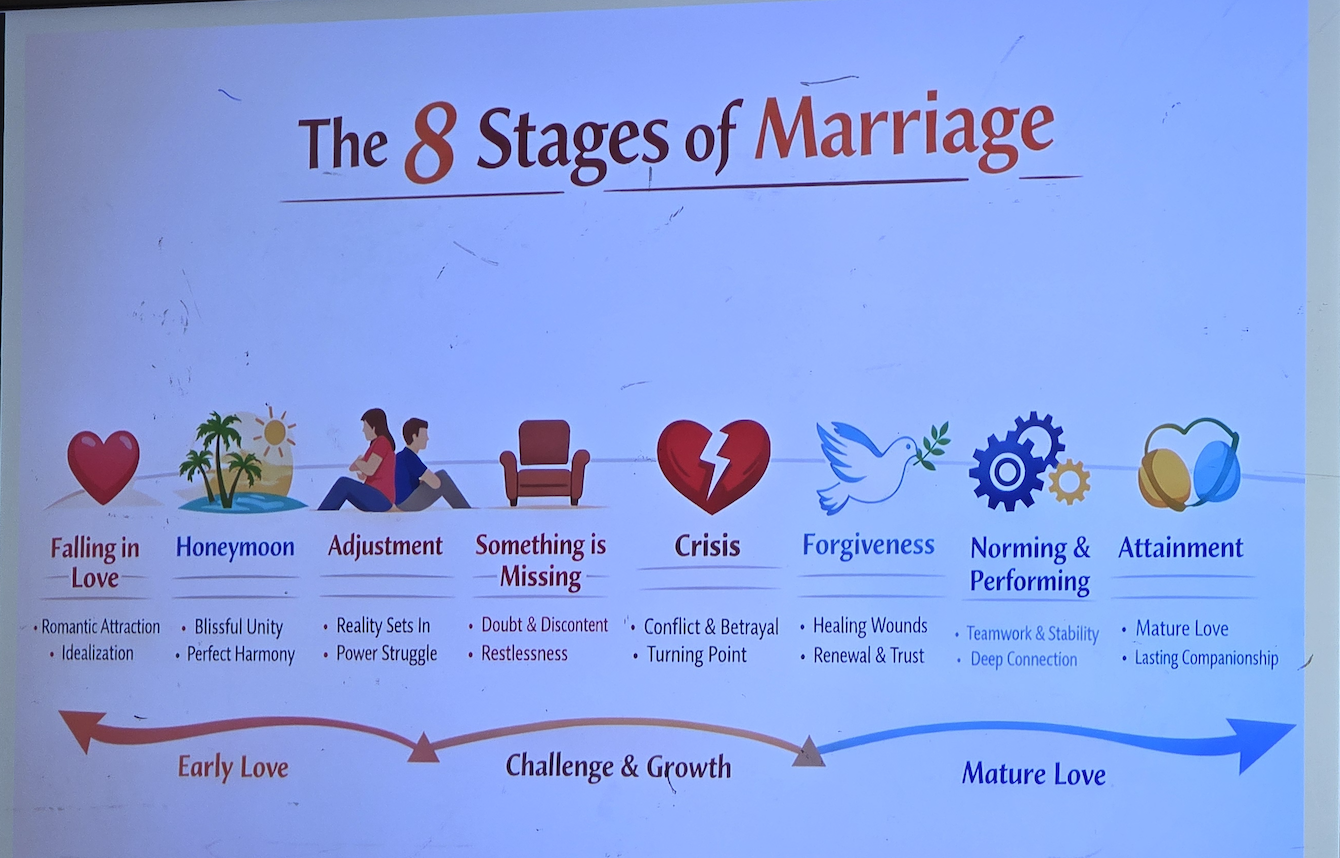
The Eight Stages of Marriage

The class then introduced the eight stages — from falling to rising.


The stage that sat with me most was the second — the reveal. We use the word “flaw” for behaviours we can’t understand in our partners. But a flaw is not a defect. It is usually an unanswered question. Why do they do this? The answer almost always lives in their history. The same is true in reverse: my partner sees something in me that confuses or frustrates them, and cannot know the reason, because the reason is in my upbringing — in something I absorbed so early I no longer notice it.

The class ended on parenting. If love is difficult, and marriage is difficult, parenting is the compound of both — amplified. We inherit traits from our parents, some worth keeping, some worth examining very carefully before passing forward. The room went quieter at this point. Not because the content was new, but because most of us had started doing the arithmetic on our own lives.


Four days. A book about love. A treasure hunt. An accidental crown. A debate about household roles. Eight stages.

The wisdom around love and marriage is genuinely hard to find — not because no one has written it down, but because it only becomes real when you recognise it in yourself. The class didn’t hand us answers. It handed us better questions, and a room full of people honest enough to sit with them.

Life Classes (Love class) – Day 7 & 8

The Life Classes focusing on respect, love, and communication offered meaningful perspectives on the values that support strong and healthy relationships. We explored how respect forms the basis of trust and mutual appreciation, creating a space where individuals feel acknowledged and valued. Love was presented not merely as a feeling but as an ongoing commitment expressed through everyday actions that strengthen connections over time. Equally important is communication, which serves as the link that allows people to share thoughts, emotions, and concerns openly, helping partners feel understood and supported.

These discussions encouraged us to reflect on how these principles shape our interactions with others. By consciously practicing respect, expressing care through actions, and engaging in thoughtful communication, we can build relationships that are resilient, meaningful, and grounded in empathy and understanding.

Reflection from Life Classes: Day 1 to 4

Participating in the professional development sessions on The 7 Habits of Highly Effective People by Stephen R. Covey was an enriching and memorable learning experience. The sessions were facilitated by Aman and Arshi, who created a warm and engaging environment from the very beginning. Their thoughtful ice-breaking activities helped teachers interact beyond their usual circles and set the tone for open collaboration throughout the program.

During the first two days, we explored the foundational habits that focus on personal responsibility and purpose. Habit 1, Be Proactive, was introduced through a creative group activity where we performed short street-play style skits. This activity encouraged us to interpret the concept in our own way and present it to others. Through the process, it became clear how taking initiative and owning our responses can positively shape both professional and personal situations.

The second day focused on Habit 2, Begin with the End in Mind. This session invited us to reflect on the limited nature of time and the importance of living intentionally. Although the topic of mortality can feel heavy, the facilitators approached it thoughtfully and sensitively, helping us understand that recognizing life’s finiteness can motivate us to pursue meaningful goals and align our actions with our values.

After a short gap, we reconvened for the third and fourth days of the workshop. One of the key themes explored was the importance of listening. Through discussions and interactive games, we examined different types of listening and realized how often selective listening occurs in daily interactions. The activities highlighted the value of practicing active and empathetic listening in order to build stronger relationships and foster understanding.

Habit 3, Put First Things First, was illustrated using a well-known demonstration involving rocks and a jar. The visual metaphor showed that when we prioritize what truly matters, the rest of our responsibilities can naturally find their place. This simple yet powerful illustration encouraged us to reflect on how we organize our time and energy.

Day four introduced Habit 6, Synergize, through a team-based strategy game. The activity required us to collaborate, plan, and make collective decisions while keeping the principle of win-win thinking in mind. By setting aside individual egos and focusing on teamwork, we were able to experience the true meaning of synergy. The sense of unity and shared purpose eventually led our group to success in the final round, making the activity both enjoyable and meaningful.

The program concluded with Habit 7, Sharpen the Saw, which emphasizes the importance of continuous renewal and self-care. The idea of maintaining balance across different aspects of life served as a reminder that personal well-being is essential to sustained effectiveness. In many ways, the workshop itself reflected this principle, combining learning with moments of play, reflection, and connection.

The experience ended on an inspiring note as we watched the film Chak De! India. Reflecting on the themes of teamwork, perseverance, and leadership in the movie after learning about the seven habits provided a powerful and fitting conclusion to the four-day journey. It left us with a renewed sense of purpose and a deeper appreciation for the habits that can guide us toward both personal growth and collective success

Reflections on the Love Class

An Year of Wandering, Wondering & Growing

There is a kind of education that no classroom can fully contain the kind that lives in the smell of salt air, the echo of ancient stone, the warmth of a stranger’s hospitality, and the quiet of a hilltop after a hard climb. This past year, across eight unforgettable trips, I was fortunate enough to receive exactly that kind of education.

From a quiet fisherman’s village on the Gujarat coast to the sacred ghats of Nashik, from the ruins of a Mughal-era fort to the living room of a prince each journey added something to who I am. These are my reflections from that year: honest, grateful, and deeply felt.

“Every place we visited taught me something. But more than the places, it was the people my group, my facilitators, the strangers who became stories who made this year truly unforgettable.”

Chapter 1: Where the Sea Meets Simplicity

Day 1 July 25, 2025 Dandi Village & Beach

Some places don’t announce themselves with grandeur. Dandi Village crept up on me softly in the crunch of sand underfoot, in the unhurried pace of the fishermen going about their day, in the quiet dignity of traditional homes that have stood through generations.

The beach was a revelation. Far from the noise and commerce of popular coastal destinations, it offered something rare: stillness. Walking along the shore, I felt a kind of calm that is difficult to manufacture and impossible to rush. The salt pans stretching into the distance were a reminder that this land has always been tied to the sea not for leisure, but for livelihood.

The photographs we clicked that day of the winding village roads, the painted walls, the light on the water captured something that words only approximate: the beauty of a place that hasn’t tried to be anything other than what it is. I am deeply grateful for the chance to witness it.

Chapter 2: Into the Green Nature, Craft & Culture

Day 2 July 26, 2025 Venil Eco Tourism, Ambapada, Gira Waterfall & Dangi Cuisine

If Day 1 was about the coast, Day 2 was about surrendering completely to the embrace of nature. Venil Eco Tourism felt like stepping into a world that had quietly decided it wanted nothing to do with urban urgency. The atmosphere was its own welcome a vibe, as I described it to myself, of being truly one with nature.

Ambapada Bamboo Workshop Village offered a glimpse into the artisanal soul of rural Gujarat. We didn’t get to see the workshop in full action, but the visit itself was deeply worthwhile. There is something grounding about a village built around the patience and craft that bamboo demands it reminded me that not all valuable things are fast or loud.

Lunch at Dangi Restaurant was a cultural experience as much as a culinary one. The variety of legumes, the authenticity of the flavours, the warmth of the setting it was one of those meals that stays with you. The shopping was a delightful bonus.

But the highlight? The walk to the hidden section of Gira Waterfall. There is something about earning a view about the effort of getting there that makes the reward exponentially sweeter. That walk was superb, and the falls, when we finally reached them, were everything.

Chapter 3: Where Mythology Lives in Stone

Days 3 & 4 September 26-27, 2025 Nashik A City That Holds History in Every Corner

I have visited many cities, but Nashik is unlike most. It doesn’t just have history it breathes it. Walking through Panchavati, standing at the Godavari Ghats, entering the Pandav Leni Caves I kept feeling a quiet awe at the layers upon layers of time that this place holds within it.

The Pandav Leni Caves were a particular highlight. The ancient Buddhist rock-cut architecture, carved with extraordinary precision into the hillside, offered breathtaking views of the city below. What moved me most, though, was the realisation that we were standing in a place where the stories of both our great Epics had unfolded. History isn’t always in textbooks; sometimes it is in the rock beneath your feet.

KalaRam Mandir and Sita Gufa brought the Ramayana to life in a way that felt personal rather than academic. These are not merely tourist sites they are living spaces of faith and memory, and visiting them with an open heart made all the difference.

The Ganga Aarti at the Godavari Ghats was, simply put, a very spiritual experience. The light on the water, the chanting in the air, the sense of being part of something ancient and continuous it is the kind of moment that quiets the mind completely.

Trimbakeshwar Temple, one of the twelve Jyotirlingas, was a visit I will not forget. What made it especially smooth was the rare blessing of no queue we passed through without major hassle, which felt like its own small miracle.

The Brahmagiri Trek, undertaken in the rain, was one of the most joyful physical experiences of the year. The monkeys along the trail added their own irreverent energy, and the cool breeze at the top made us feel as though we had conquered something significant I wrote in my notes that it felt like conquering Everest. The cup of tea on the way back was the perfect, soothing conclusion.

Nashik gave us good food too misal at Peri Chi Wadi, grapes at Grape Embassy, and best of all, ice cream. Some joys are simple, and they are no less real for that.

And then there was the Church of Bom Jesus the only church of Baby Jesus in the world. Truly unseen, truly unheard of for most, and all the more special for it. One of the best trips of the year, without question.

Chapter 4: The Weight of History, The Joy of Discovery

Day 5 November 3, 2025 Surat Cemeteries, Libraries & the Layers of a City

Surat surprised me. I knew it as a city of diamonds and textiles, of modernity and commerce but Day 5 revealed its quieter, deeper face.

The British and Dutch Cemetery is not a place most visitors to Surat would seek out, but it should be. Standing among the graves of people who came from the other side of the world and found their final resting place in Indian soil, I felt a strange, profound connection across time. These were people who were from outside, as I put it to myself, but who now rest here forever. It is a reminder of how deeply the histories of nations can intertwine, and how much there is to learn from the places we least expect.

Kavi Narmad Central Library was a different kind of reverence. In a world moving ever faster toward the digital and the disposable, there is something deeply reassuring about a library a building that declares, by its very existence, that knowledge matters and that stories are worth preserving. Although we didn’t get to visit it entirely but it was a wonderful experience.

Chapter 5: Hidden Waterfalls & River Lunches

Day 6 November 4, 2025 Kalamkui Waterfall The Main Part

If I had to choose one phrase to describe Day 6 at Kalamkui, it would be this: the main part. That is exactly what the waterfall bathing was the heart of the experience, the moment everything else was leading to.

The walk through the forest to reach the hidden waterfall was superb. Every step deepened the sense of anticipation, and the flora and fauna along the trail were a quiet education in biodiversity. When we finally arrived, the water was cold, invigorating, and utterly joyful.

Eating local food by the side of the river afterwards was the perfect close to the day sensory, cultural, and deeply satisfying. There are very few combinations in life better than good food, good company, and moving water nearby.

Chapter 6: Heritage, Royalty & a Homecoming

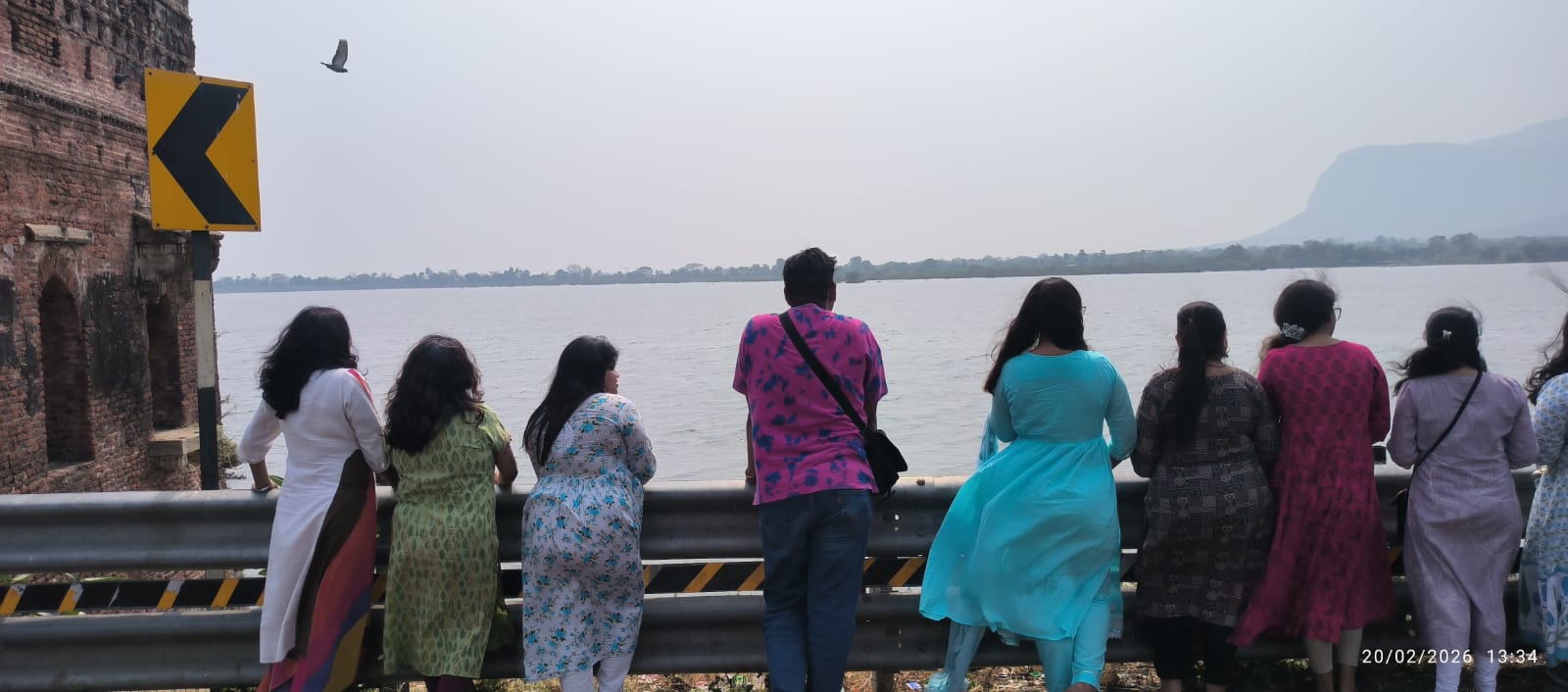
Days 7 & 8, February 20-21, 2026 Champaner & Rajpipla: A Grand Finale

The final two days of the year’s journeys brought us to Champaner and Rajpipla — two destinations that felt, in the best possible way, like a fitting conclusion to everything we had experienced.

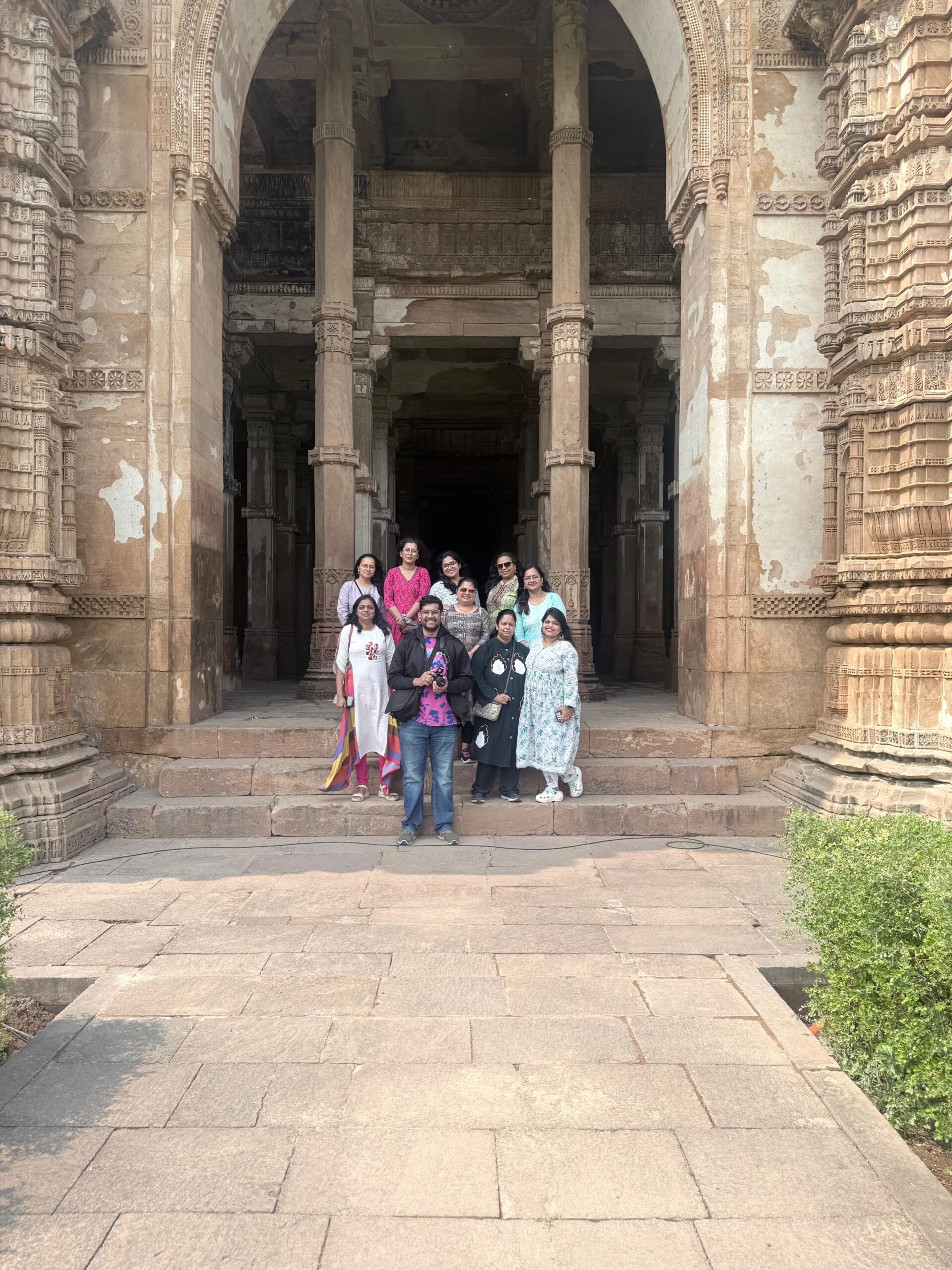
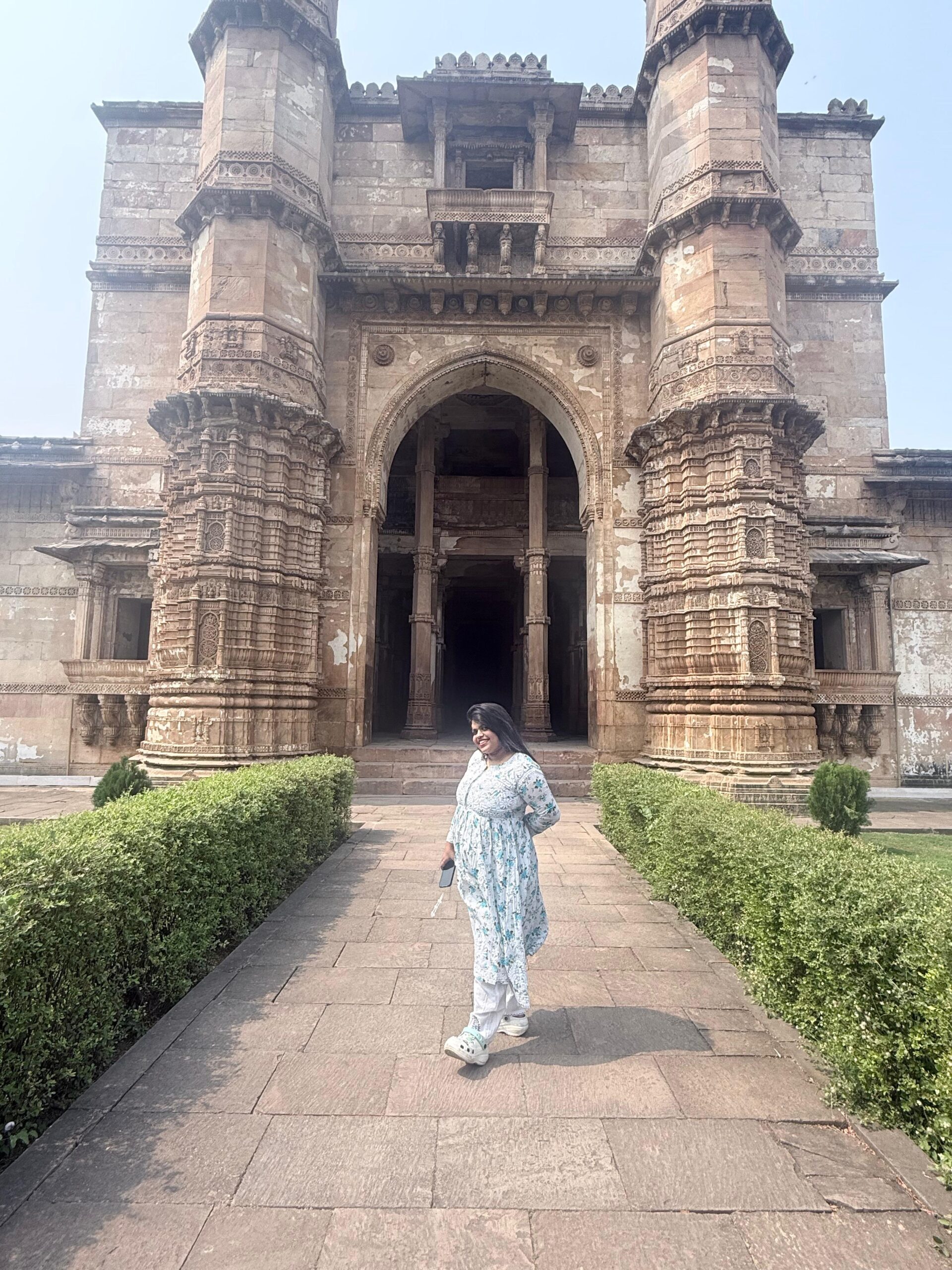
Champaner, a UNESCO World Heritage Site, is a place of extraordinary architectural beauty its monuments a seamless and respectful blending of Hindu and Islamic design traditions. I was genuinely sad when circumstances prevented us from visiting parts of it fully, but I made myself a promise: I will come back. The mosques we did visit were a powerful reminder that some of the most magnificent examples of Indian architectural heritage have been built by many hands and inspired by many faiths. That is something worth returning for.

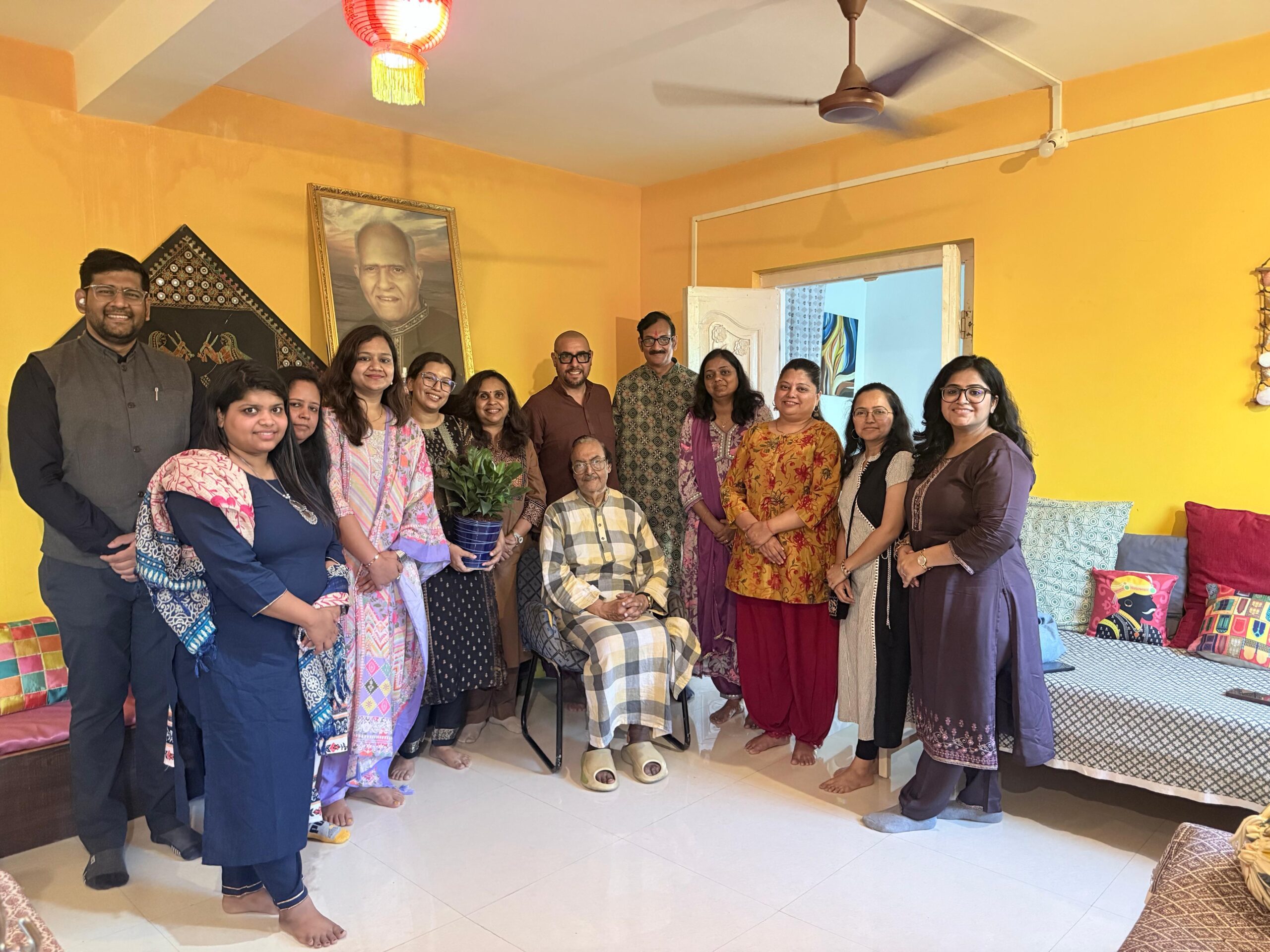
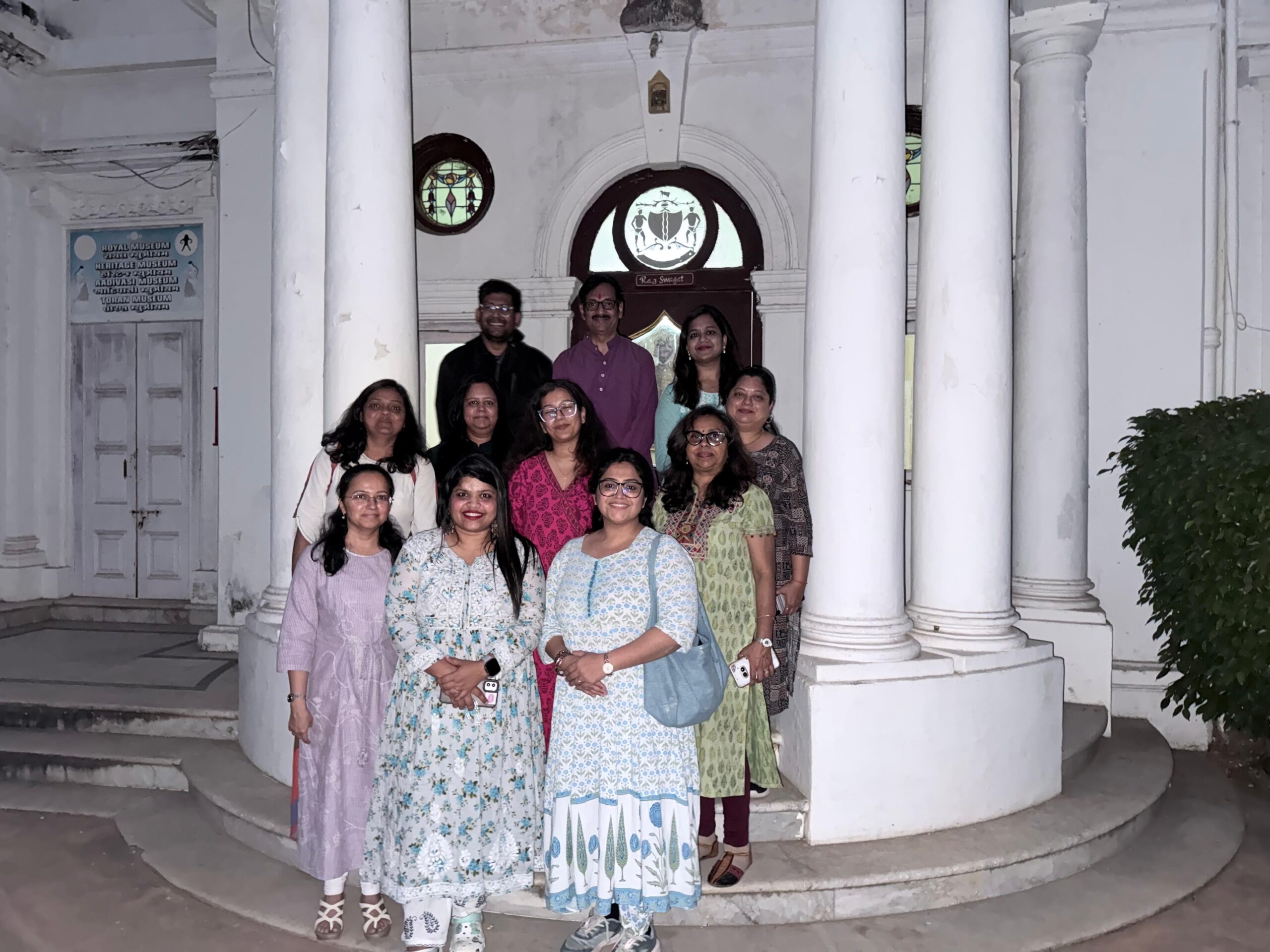
Rajpipla was, for me, deeply personal. It is my maternal family’s hometown, and returning to it with my group added an emotional dimension that I hadn’t fully anticipated. But beyond the personal connection, the experience offered something extraordinary: the museum, the genuine warmth of the Prince and his hosting, and the rare opportunity to learn about heritage directly from the Prince himself.

The kindness the Prince and the Duke showed us was superb. There is something irreplaceable about learning history not from a plaque or a pamphlet, but from someone who carries it in their blood.

Closing Thoughts: What a Year Gives You

Looking back at these eight trips from the quiet sands of Dandi to the royal halls of Rajpipla I am struck by how much ground we covered, not just geographically, but within ourselves.

We saw unseen places. We ate unfamiliar food. We climbed hills in the rain, bathed in hidden waterfalls, sat with strangers who became friends, and stood in the presence of history that humbled us. We were curious together, and that is a rare and beautiful thing.

But if I am honest, what I will carry most from this year is not the places themselves it is the people. The group that made every journey richer. The facilitators whose belief in experiential learning shaped the whole year. The individuals we met along the way the fishermen, the craftspeople, the librarians, the royalty who reminded us that every life is a story worth hearing.

This year was a wonderful learning experience not just from the places, but from the group we had. This group was superb.

I am profoundly grateful. To Manisha ma’am and Priti ma’am for the care and thought that went into organising every single trip and a special mention to Yasmin for the last trip. To my fellow travellers for their energy, their curiosity, and their warmth. And to every place that opened itself to us and gave us something to carry home.

Thank you. From the bottom of a heart that is fuller for having wandered.
Unveiling Unseen Places: A Journey Beyond the Map

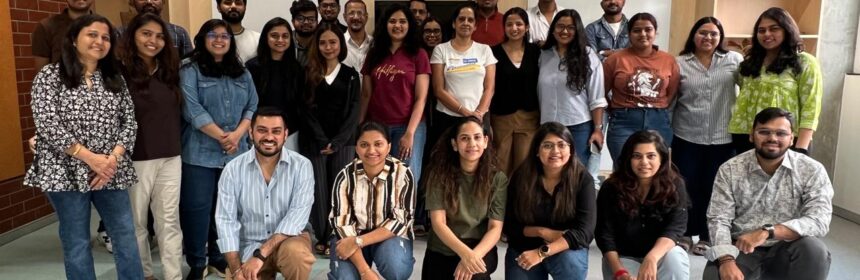
Some journeys are not just about travelling to new destinations; they are about learning to notice the stories hidden within them. Our Life Class titled “Unveiling Unseen Places” brought colleagues together for eight days of exploration, reflection, and shared discovery. What began as a professional learning experience soon became something far more meaningful—a reminder that the most powerful lessons often happen outside the classroom.

Our journey began along the quiet shores of Dandi Beach in the historic village of Dandi. Standing by the sea, it was impossible not to think about the legacy of the Salt March. The simplicity of the village, the rhythm of the waves, and the weight of history made for a thoughtful start to our travels.

From the coast, we moved into the lush landscapes of Dang District, where nature and local craftsmanship revealed another side of Gujarat. At the Ambapada Bamboo Workshop Village, artisans demonstrated how bamboo—often seen as an ordinary material—can be transformed into intricate, beautiful creations through patience and skill. Nearby, the powerful cascade of Gira Waterfall reminded us of nature’s quiet grandeur.

The journey then took us to the spiritual and cultural landscapes of Nashik and Trimbakeshwar. Walking through the ancient rock-cut chambers of the Pandavleni Caves felt like stepping into another era, while visits to the revered Kalaram Temple and Sita Gufa connected us to the mythological and spiritual narratives that shape the region. One of the most memorable moments was witnessing the evening Ganga Aarti in Nashik, where the glow of lamps and the sound of chants created a deeply moving atmosphere along the riverbank. A trek up Brahmagiri Hill challenged us physically but rewarded us with breathtaking views and a sense of accomplishment.

Back in Surat, we explored the quiet yet striking monuments of the Dutch Cemetery and the British Cemetery. These ornate structures, standing silently amidst the city, offered glimpses into Surat’s rich trading history and its connections with the wider world.

Our exploration continued in the village of Kalamkui, where the highlight was not a monument or a museum but a shared meal. Experiencing traditional village food and hospitality reminded us that culture is often best understood through everyday moments—through conversations, flavours, and the warmth of community.

The final leg of our journey took us to Rajpipla and the historic landscapes of Champaner. At Queer Bagh, we had the rare opportunity to learn about the heritage of the region through a personal tour led by Manvendra Singh Gohil, the Prince of Rajpipla. Listening to stories about the palace, its legacy, and the evolving identity of the region added a deeply human dimension to our understanding of history.

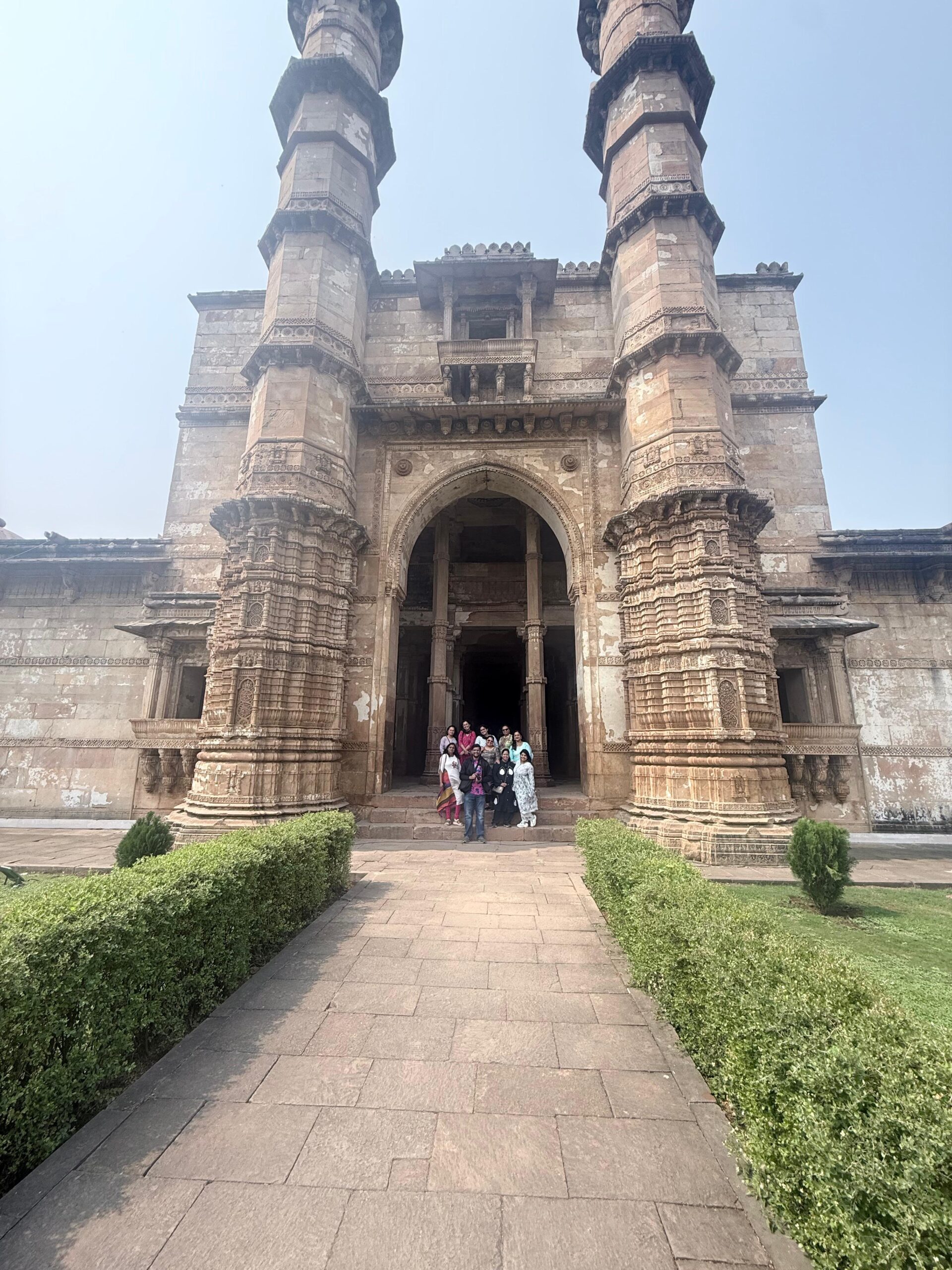
Our journey concluded at the magnificent Champaner–Pavagadh Archaeological Park, a UNESCO World Heritage Site where history unfolds through stunning architecture and landscapes. From the panoramic views at Pavagadh Hill to the remarkable craftsmanship of the Jami Masjid, the site beautifully reflects the cultural and architectural diversity of India’s past.

Looking back, Unveiling Unseen Places was more than a journey across locations—it was a journey into stories, histories, and communities that are often overlooked. It reminded us that learning does not always happen within four classroom walls. Sometimes it happens beside a waterfall, on a mountain trail, in a village kitchen, or within the quiet corridors of history.

And perhaps the greatest lesson of all was this: the unseen places are not just the destinations on a map—they are the perspectives we gain when we take the time to truly look.

Unveiling the Unseen: Learning Beyond the Classroom

This term, our Life Class journeys were designed around a simple yet powerful idea, to unveil the unseen. As educators, we often encourage students to explore the world with curiosity. This experience reminded me that we, too, need opportunities to rediscover the stories and cultures around us.

Our first exploration began in our own city, Surat. While it is a place we live and work in every day, visiting spaces like Gopi Talav, the historic Narmad Library, and the serene Dutch Garden Cemetery and British Cemetery helped us see the city through a different lens. These places revealed Surat’s layered history as a cultural and trading hub where many communities once intersected.

Our next visit to Kalamkui shifted the focus from history to nature. The highlight was witnessing the beauty of the Kalamkui Waterfall. Surrounded by the sounds and rhythms of nature, it was a reminder of how landscapes shape the lives and traditions of the communities that inhabit them.

The final journey took us to Champaner-Pavagadh Archaeological Park, a UNESCO World Heritage Site that stands as a testament to Gujarat’s rich architectural and cultural heritage. The visit continued to Rajpipla, where we learned about the legacy of Manvendra Singh Gohil and the royal history of the region.

We also explored the ecological spaces around the Statue of Unity, including the Cactus Garden and the Butterfly Garden, which celebrate biodiversity and thoughtful conservation.

What stood out across all these experiences was the reminder that culture is not always obvious, it is embedded in landscapes, architecture, stories, and even silence. This journey encouraged us to slow down, observe more deeply, and appreciate the unseen layers of the places around us.

As educators, such experiences enrich our own perspectives and ultimately shape how we guide students to see the world, with curiosity, respect, and a deeper sense of connection.

From Curiosity to Discovery: My Unveiling the Unseen Experience

Sometimes the most meaningful experiences are the ones we never planned for ourselves. The Unveiling the Unseen life class turned out to be one such journey for me — a journey that was not only enjoyable but also deeply enriching in many ways.

What I appreciated the most about this life class was the thoughtful planning behind it. Each trip was designed in a way that encouraged us to explore places that we would otherwise never think of visiting. In our daily routines, we often tend to go to familiar places, but this experience pushed us to step out of that comfort zone and discover new destinations, histories, and cultures that were right around us yet largely unseen.

Through these visits, I had the opportunity to meet new people, share experiences, and build connections that I may not have encountered otherwise. Every outing felt like a small adventure — not just geographically, but also socially and culturally. Exploring different places together created a sense of curiosity and excitement, and each journey carried its own unique learning.

One of the most memorable experiences for me was our visit to Rajpipla. Meeting the prince there was something I had never imagined I would experience. It was truly unique — something that I would not have planned, expected, or executed on my own if it had not been part of this life class. Moments like these made the experience feel truly special and unforgettable.

Beyond the destinations themselves, the journeys allowed us to appreciate the stories behind the places — the history, the culture, and even the local food. These small elements added richness to the experience and made every trip feel meaningful rather than just recreational.

Looking back, this life class has given me much more than just a series of trips. It has opened doors to new experiences, encouraged exploration, and created opportunities to learn in ways that a traditional classroom often cannot provide. It reminded me that sometimes the most valuable learning happens outside the classroom — through conversations, travel, and shared experiences.

I am truly grateful for this opportunity and thankful for being part of such a thoughtful and meaningful journey. The Unveiling the Unseen life class has not only helped me discover new places but has also allowed me to see familiar surroundings with a new sense of curiosity and appreciation.

It has truly been a wonderful and memorable journey.

1 2