Unveiling Unseen Places: A Journey Beyond the Map
Some journeys are not just about travelling to new destinations; they are about learning to notice the stories hidden within them. Our Life Class titled “Unveiling Unseen Places” brought colleagues together for eight days of exploration, reflection, and shared discovery. What began as a professional learning experience soon became something far more meaningful—a reminder that the most powerful lessons often happen outside the classroom.
Our journey began along the quiet shores of Dandi Beach in the historic village of Dandi. Standing by the sea, it was impossible not to think about the legacy of the Salt March. The simplicity of the village, the rhythm of the waves, and the weight of history made for a thoughtful start to our travels.
From the coast, we moved into the lush landscapes of Dang District, where nature and local craftsmanship revealed another side of Gujarat. At the Ambapada Bamboo Workshop Village, artisans demonstrated how bamboo—often seen as an ordinary material—can be transformed into intricate, beautiful creations through patience and skill. Nearby, the powerful cascade of Gira Waterfall reminded us of nature’s quiet grandeur.
The journey then took us to the spiritual and cultural landscapes of Nashik and Trimbakeshwar. Walking through the ancient rock-cut chambers of the Pandavleni Caves felt like stepping into another era, while visits to the revered Kalaram Temple and Sita Gufa connected us to the mythological and spiritual narratives that shape the region. One of the most memorable moments was witnessing the evening Ganga Aarti in Nashik, where the glow of lamps and the sound of chants created a deeply moving atmosphere along the riverbank. A trek up Brahmagiri Hill challenged us physically but rewarded us with breathtaking views and a sense of accomplishment.
Back in Surat, we explored the quiet yet striking monuments of the Dutch Cemetery and the British Cemetery. These ornate structures, standing silently amidst the city, offered glimpses into Surat’s rich trading history and its connections with the wider world.
Our exploration continued in the village of Kalamkui, where the highlight was not a monument or a museum but a shared meal. Experiencing traditional village food and hospitality reminded us that culture is often best understood through everyday moments—through conversations, flavours, and the warmth of community.
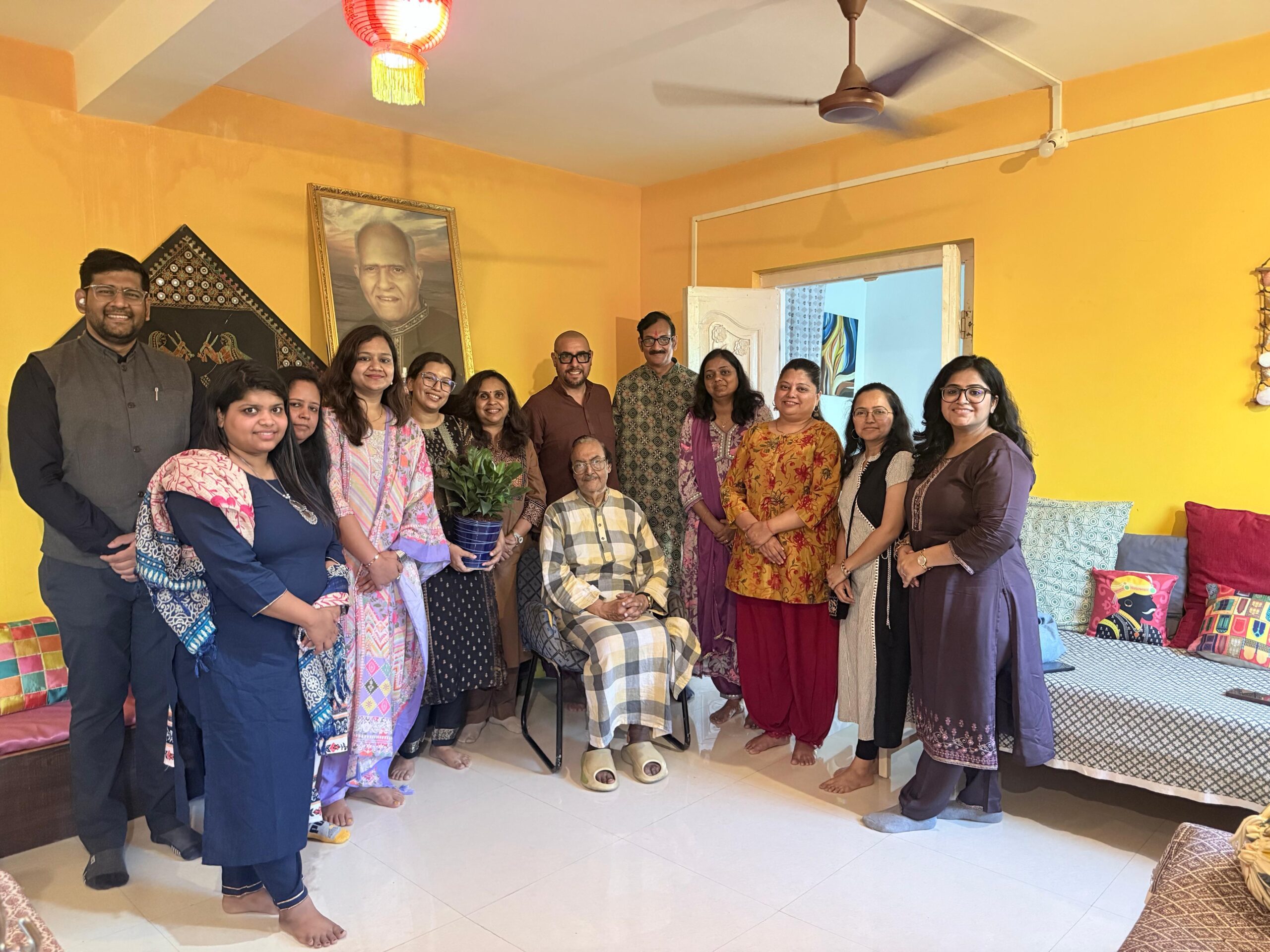
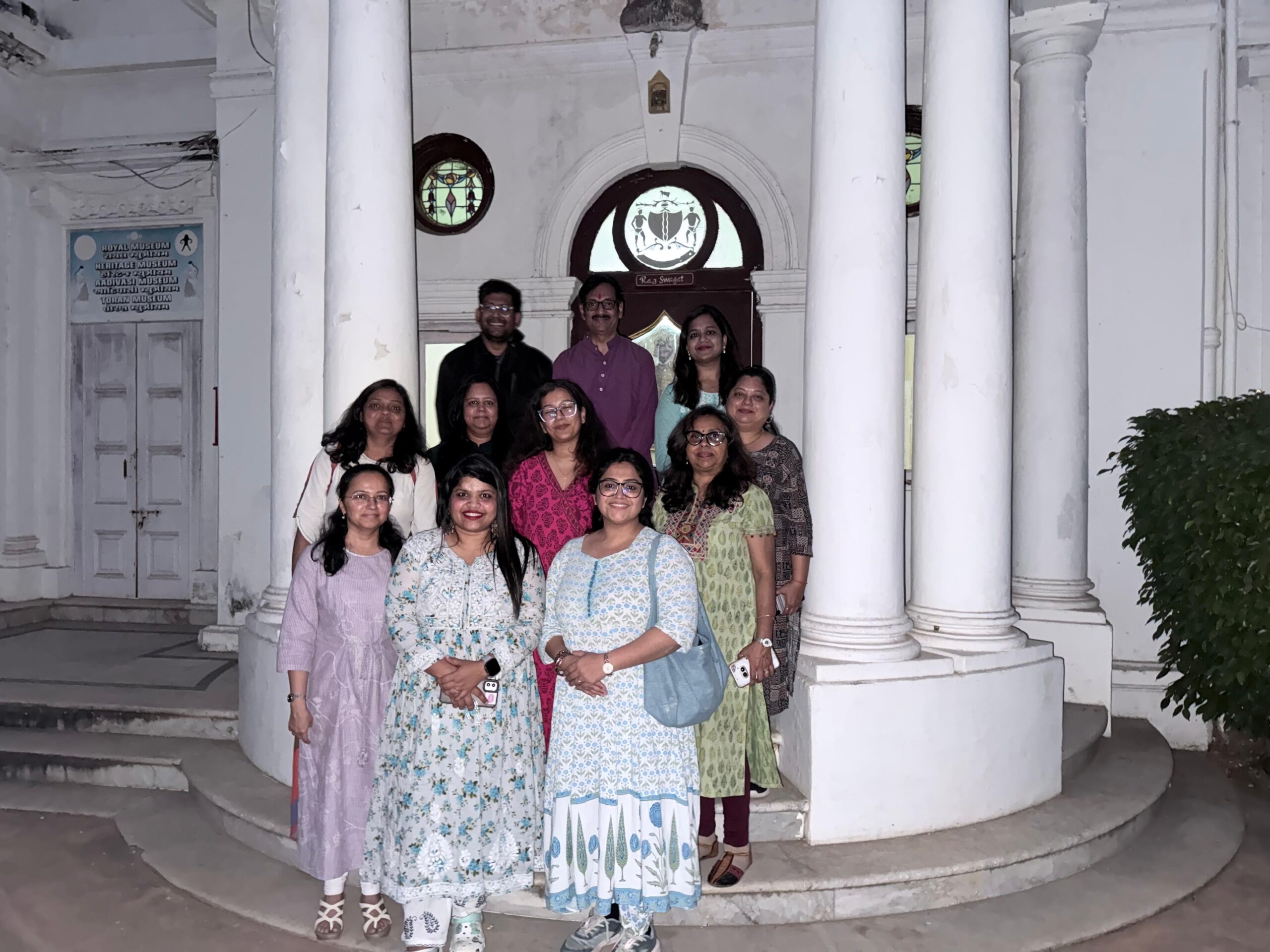
The final leg of our journey took us to Rajpipla and the historic landscapes of Champaner. At Queer Bagh, we had the rare opportunity to learn about the heritage of the region through a personal tour led by Manvendra Singh Gohil, the Prince of Rajpipla. Listening to stories about the palace, its legacy, and the evolving identity of the region added a deeply human dimension to our understanding of history.
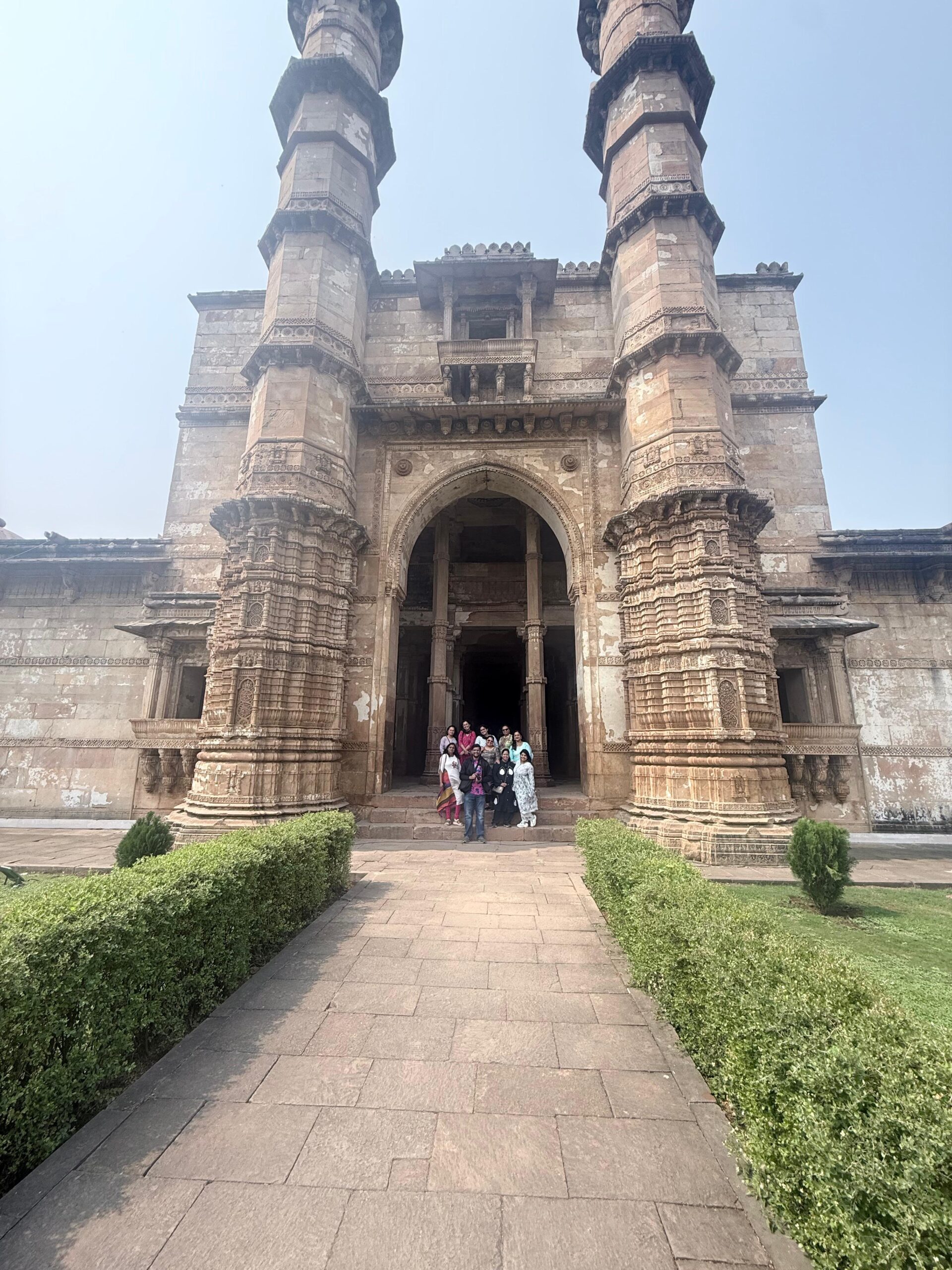
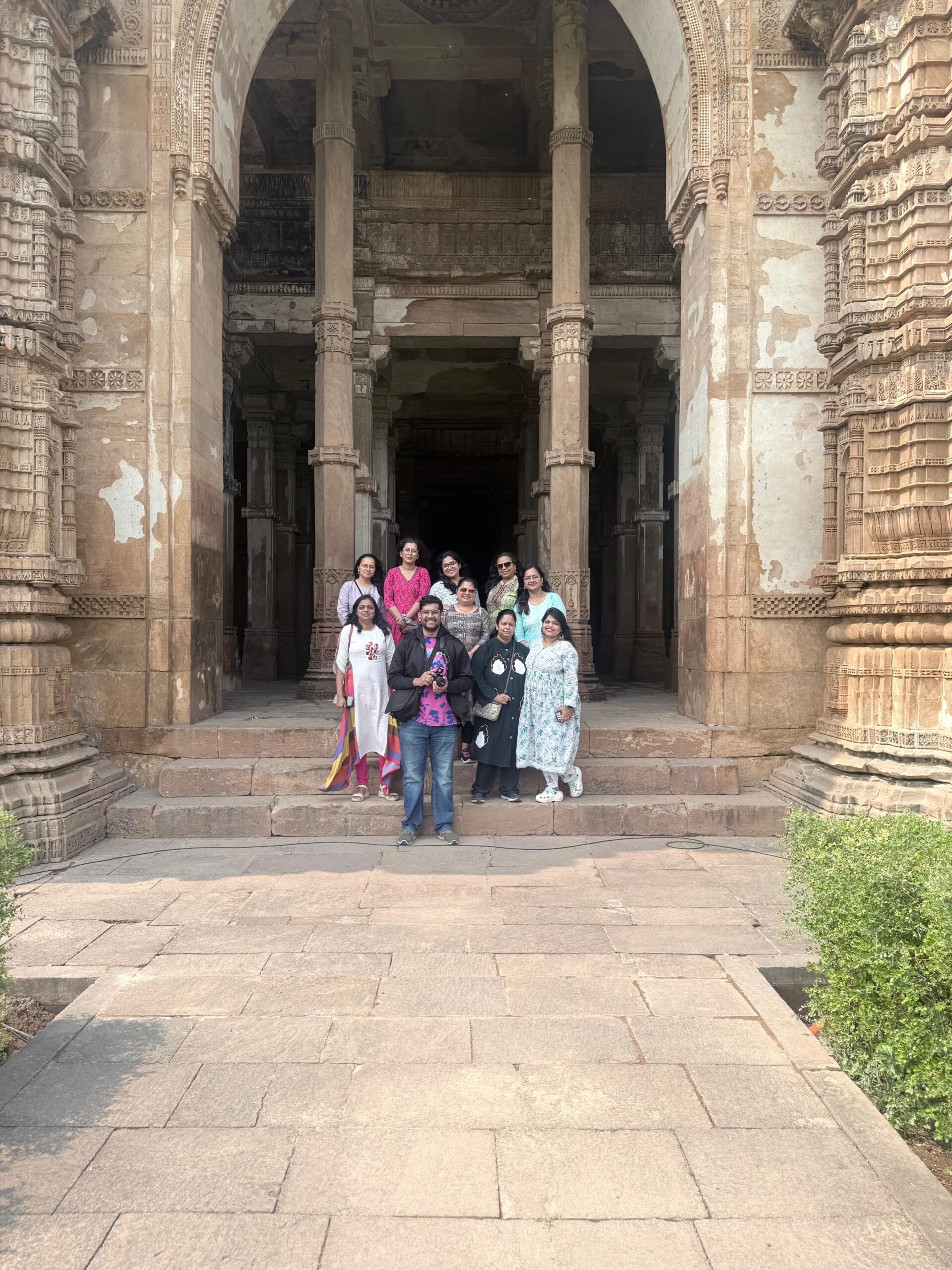
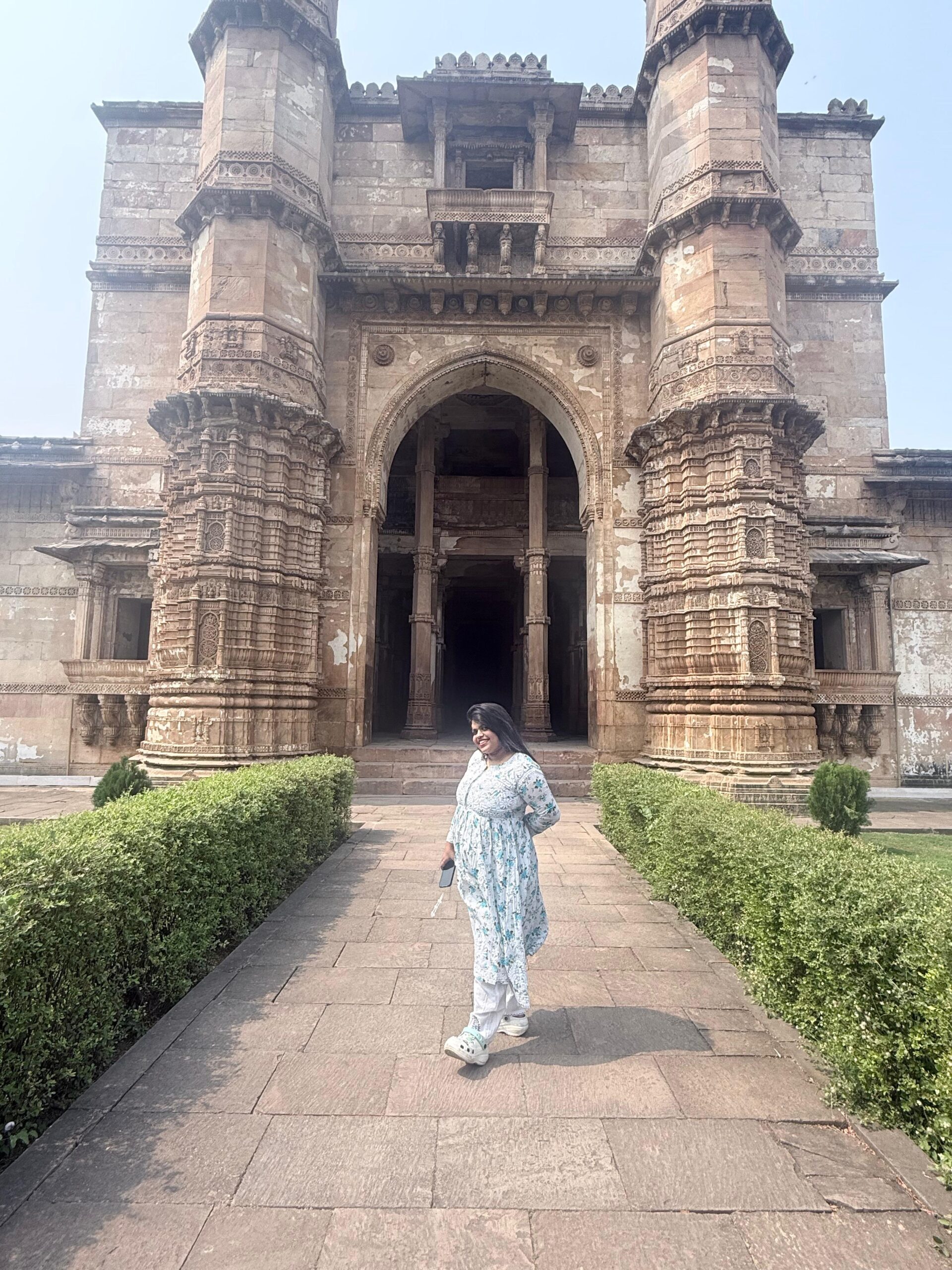
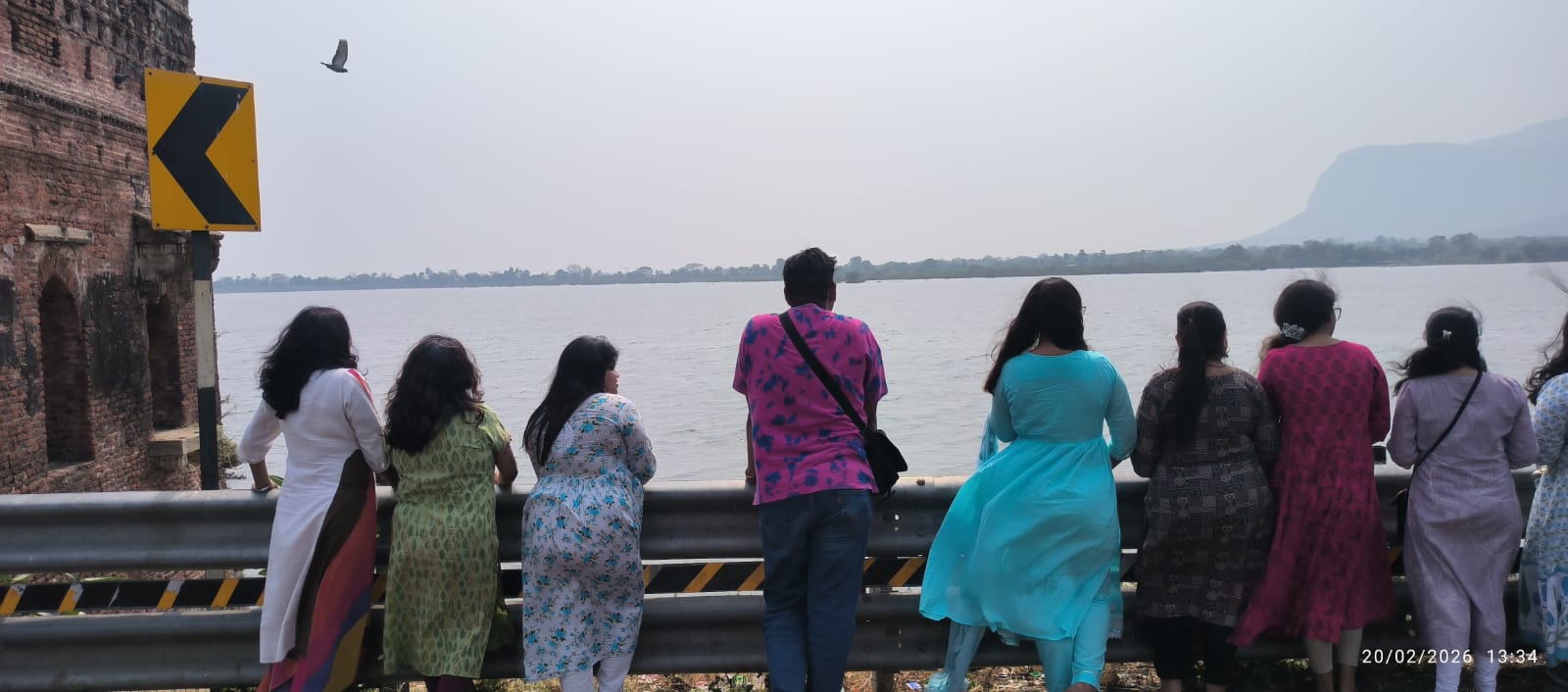
Our journey concluded at the magnificent Champaner–Pavagadh Archaeological Park, a UNESCO World Heritage Site where history unfolds through stunning architecture and landscapes. From the panoramic views at Pavagadh Hill to the remarkable craftsmanship of the Jami Masjid, the site beautifully reflects the cultural and architectural diversity of India’s past.
Looking back, Unveiling Unseen Places was more than a journey across locations—it was a journey into stories, histories, and communities that are often overlooked. It reminded us that learning does not always happen within four classroom walls. Sometimes it happens beside a waterfall, on a mountain trail, in a village kitchen, or within the quiet corridors of history.
And perhaps the greatest lesson of all was this: the unseen places are not just the destinations on a map—they are the perspectives we gain when we take the time to truly look.