Life Class: On Love & Marriage
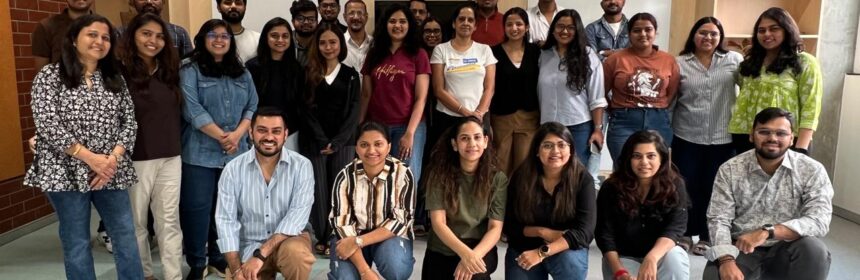
Days 5 & 6 — Love Class: Knowing Love from The Road Less Traveled
These two sessions were an extension of something already building — a continuation called the Love Class, anchored in M. Scott Peck’s The Road Less Traveled. The book opens with perhaps the most honest sentence in self-help literature: “Life is difficult.” And from that unflinching starting point, everything else follows.
Peck’s central argument is that most people confuse the feeling of being in love with the act of loving — and this confusion is responsible for a staggering amount of human suffering. Falling in love, he argues, is not love at all. It is a temporary collapse of ego boundaries — an involuntary, neurological event that nature uses to get two people close enough to begin the real work. The feeling fades. It always does. What remains after it fades is where love either begins or doesn’t.
His definition of love is almost uncomfortably demanding: the will to extend oneself for the purpose of nurturing one’s own or another’s spiritual growth. Love, by this definition, is volitional. It is a decision made daily, often without fanfare, often without reciprocation. It is not something that happens to you. It is something you do.
The class spent time equally on what love isn’t — a list that turned out to be as illuminating as the definition itself. Love is not dependency. Needing someone to function is not love; it is fear wearing love’s clothes. Love is not self-sacrifice that quietly ferments into resentment. And love is not cathexis — that intense emotional investment we make in someone, which is so easily mistaken for love but is really about our own needs, our own projections, our own hunger to be completed.
This raised a question that stayed with me: on what basis do we actually relate to others? Are we relating to the people in our lives as full human beings — subjects with their own interior worlds, their own contradictions, their own reasons — or are we relating to them as objects? Objects of comfort, of validation, of purpose, of need? The subject-object distinction is subtle and uncomfortable because most of us, if we’re honest, slip between the two without noticing.
The class didn’t resolve this. It wasn’t meant to. It gave us the vocabulary to notice it.
Days 7 & 8 — Marriage Class: The Contract, The Crown & The Long Game
Day 7 opened with a treasure hunt. Our team won because of genuinely brilliant teammates. There is something quietly apt about beginning a conversation on marriage with a collaborative exercise. Marriage is, among other things, a test of how well two people can work toward the same thing without losing themselves in the process.
Then came an exercise I did not volunteer for. Arshi ma’am wanted a princess. I was selected — entirely at random, entirely without warning — and briefly became Princess Jill.
https://drive.google.com/file/d/1UPGpCkN5an8t5L0-wqFSXga6hE0UF2Ta/view?usp=sharing
Whatever the class took from that moment, what it gave me was a small, unexpected lesson in how we carry ourselves when a role is placed upon us without our choosing. Which, if you think about it, is not entirely unlike marriage.
My honest first instinct about marriage: it is a government contract. A legal document. A formal arrangement between two consenting adults that the state recognises and regulates. This is factually true. It is also, I discovered as the class went on, breathtakingly incomplete.
What is marriage beyond the paperwork? The class surfaced a tension that most people feel but rarely name — the gap between what we say marriage is and what we sometimes treat it as. Is your partner a person or a function? An individual or a guaranteed source of comfort, company, and care? The question from the love class returned, louder: are we seeing the other as a subject or an object of gratification and reliance?
The class then broke into debate — on domestic roles, on who handles what within a household, on whether traditional divisions are pragmatic or simply inherited and unexamined. The room was split, and the arguments were genuinely felt on both sides. What struck me wasn’t who was right. It was realising how much of the conflict came from people not actually hearing each other — one arguing from lived experience, the other from principle, both reasonable, both talking past the other. I recognised myself in some of those positions. Moments where I had brought the wrong kind of certainty to a conversation that needed curiosity instead. It was uncomfortable to notice. It was also useful.
The Eight Stages of Marriage
The class then introduced the eight stages — from falling to rising.
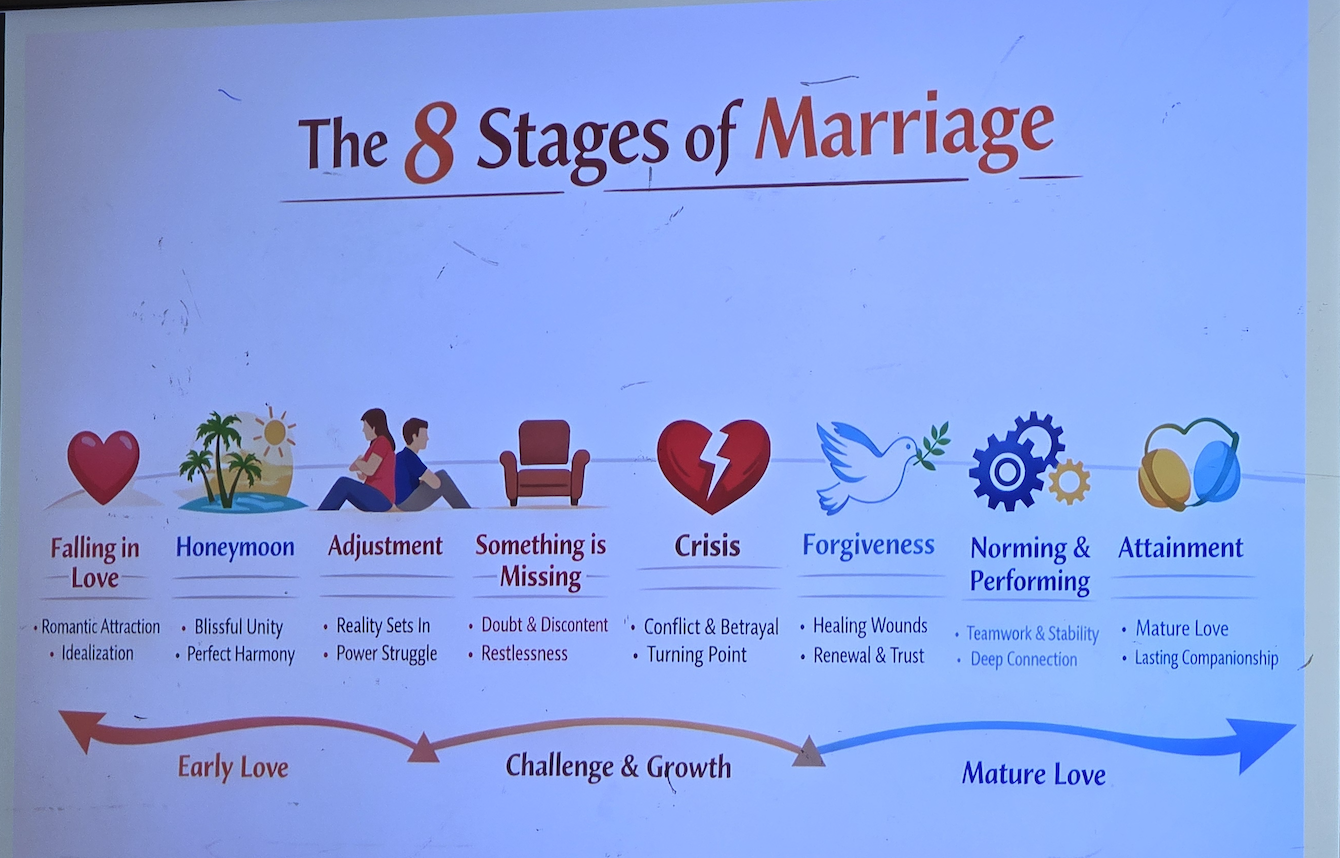
The stage that sat with me most was the second — the reveal. We use the word “flaw” for behaviours we can’t understand in our partners. But a flaw is not a defect. It is usually an unanswered question. Why do they do this? The answer almost always lives in their history. The same is true in reverse: my partner sees something in me that confuses or frustrates them, and cannot know the reason, because the reason is in my upbringing — in something I absorbed so early I no longer notice it.
The class ended on parenting. If love is difficult, and marriage is difficult, parenting is the compound of both — amplified. We inherit traits from our parents, some worth keeping, some worth examining very carefully before passing forward. The room went quieter at this point. Not because the content was new, but because most of us had started doing the arithmetic on our own lives.
Four days. A book about love. A treasure hunt. An accidental crown. A debate about household roles. Eight stages.
The wisdom around love and marriage is genuinely hard to find — not because no one has written it down, but because it only becomes real when you recognise it in yourself. The class didn’t hand us answers. It handed us better questions, and a room full of people honest enough to sit with them.
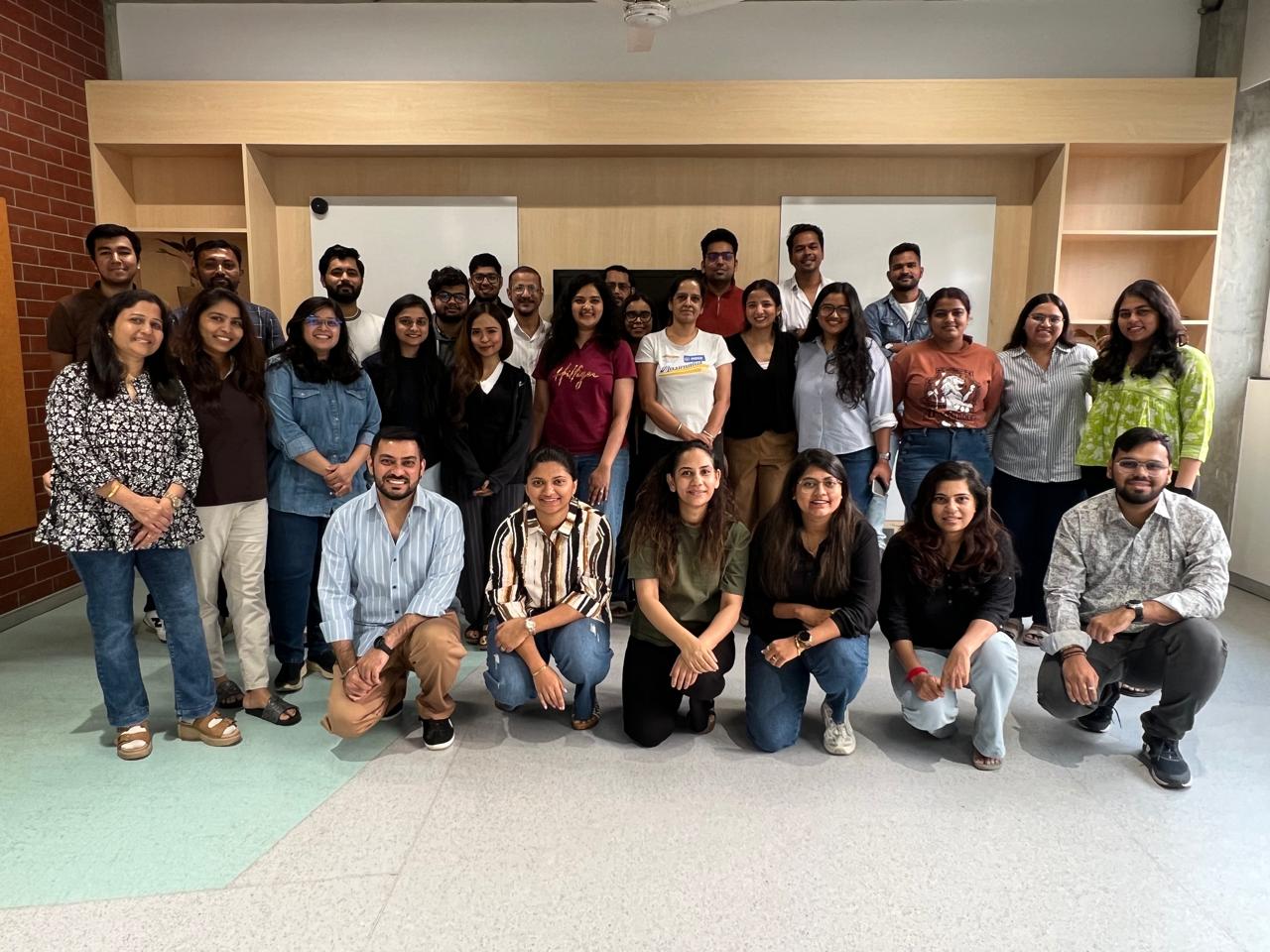
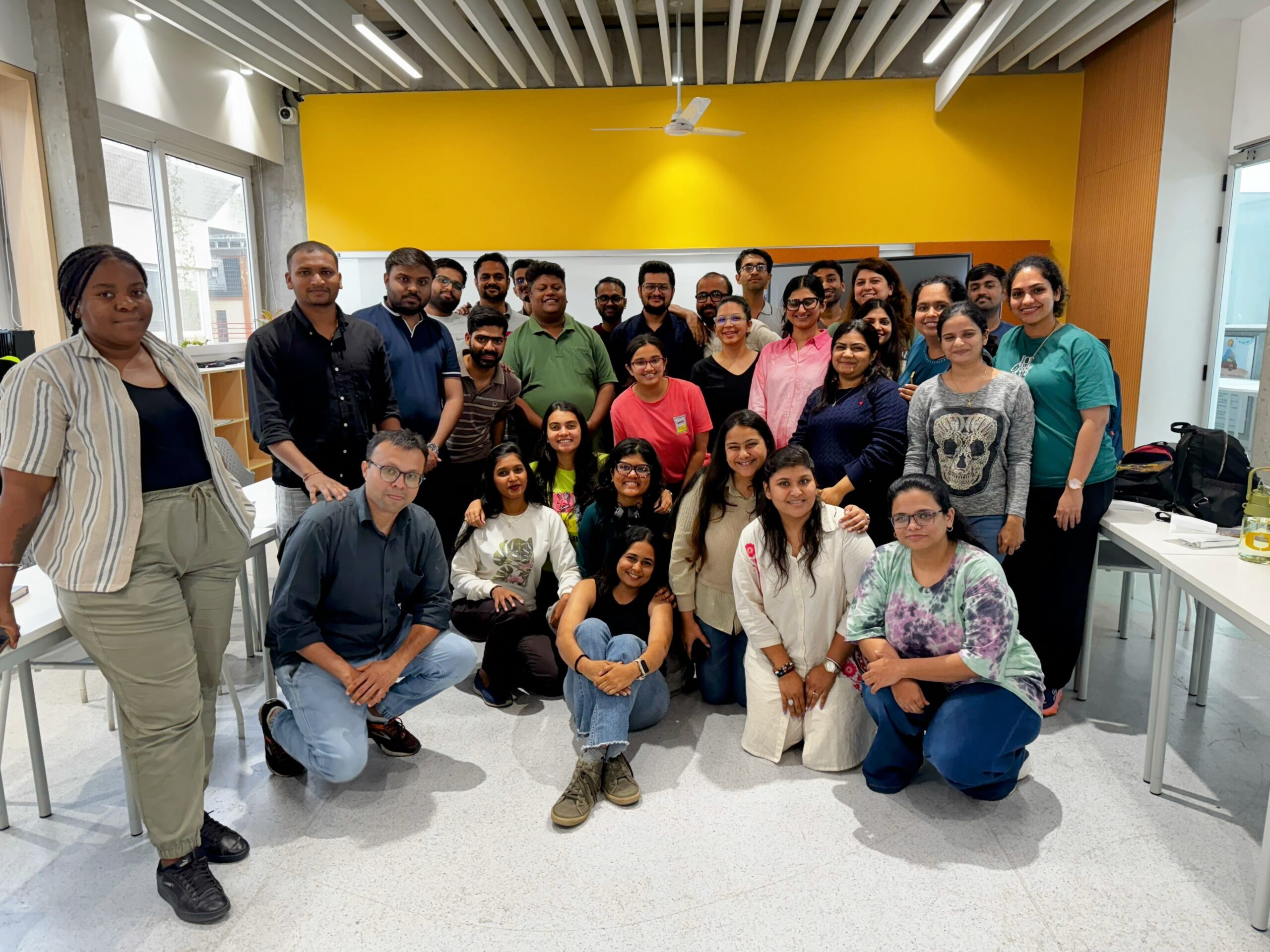
प्यार, आखिर ये प्यार होता क्या है ? प्यार की परिभाषा क्या है ? लव क्लास में अब हम लव के बारे में और क्या सीखेंगे ? ऐसे ही ना जाने कितने ही प्रश्न लव क्लास शुरू होने से पहले मेरे मन में थे | मैं प्रिय गुरु महोदया रितु चौपड़ा और महोदया भूमिका परमार जी का आभार प्रकट करना चाहती हूँ कि उन्होंने ऐसे अनगिनत प्रश्नों के उत्तर खोजने में अपना मार्गदर्शन प्रदान किया |मैं अपनी लव क्लास के सभी सदस्यों की भी शुक्रगुजार हूँ, जिनके अनुभवों से मैंने बहुत कुछ सीखा | इस लव क्लास के सफ़र में मैंने बहुत कुछ सीखा जैसे कि –
– प्यार स्वयं की और किसी अन्य की आध्यात्मिक वृद्धि है |
– अपने बच्चों की परवरिश में किन बातों का ध्यान रखना है |हम अपने बच्चों के मालिक नहीं है |ध्यान रखें “वह तुम्हारे माध्यम से आया, तुम्हारे लिए नहीं।”
– मैंने प्यार के विभिन्न चरणों के बारे में जाना जिनसे हम अपने जीवन में होकर गुजरते है । प्यार एक बहुत ही सुन्दर एहसास है, जिसे महसूस करने के लिए हम किसी पर निर्भर नहीं है ।
– खुद को माफ़ करना और दूसरो को माफ़ करना |
“ये लाइफ क्लास बहुत कुछ सिखाती है, कभी हँसती तो कभी रुलाती है ; पर ये हमें हर हाल में खुश रहना सिखाती है |”
मैं लव क्लास की सीख को अपने जीवन में अमल में लेन के लिए हमेशा प्रयासरत रहूँगी,क्योंकि ये एक सतत प्रक्रिया है |