Unveiling Unseen Places: A Journey Beyond the Map
Some journeys are not just about travelling to new destinations; they are about learning to notice the stories hidden within them. Our Life Class titled “Unveiling Unseen Places” brought colleagues together for eight days of exploration, reflection, and shared discovery. What began as a professional learning experience soon became something far more meaningful—a reminder that the most powerful lessons often happen outside the classroom.

Our journey began along the quiet shores of Dandi Beach in the historic village of Dandi. Standing by the sea, it was impossible not to think about the legacy of the Salt March. The simplicity of the village, the rhythm of the waves, and the weight of history made for a thoughtful start to our travels.

From the coast, we moved into the lush landscapes of Dang District, where nature and local craftsmanship revealed another side of Gujarat. At the Ambapada Bamboo Workshop Village, artisans demonstrated how bamboo—often seen as an ordinary material—can be transformed into intricate, beautiful creations through patience and skill. Nearby, the powerful cascade of Gira Waterfall reminded us of nature’s quiet grandeur.

The journey then took us to the spiritual and cultural landscapes of Nashik and Trimbakeshwar. Walking through the ancient rock-cut chambers of the Pandavleni Caves felt like stepping into another era, while visits to the revered Kalaram Temple and Sita Gufa connected us to the mythological and spiritual narratives that shape the region. One of the most memorable moments was witnessing the evening Ganga Aarti in Nashik, where the glow of lamps and the sound of chants created a deeply moving atmosphere along the riverbank. A trek up Brahmagiri Hill challenged us physically but rewarded us with breathtaking views and a sense of accomplishment.

Back in Surat, we explored the quiet yet striking monuments of the Dutch Cemetery and the British Cemetery. These ornate structures, standing silently amidst the city, offered glimpses into Surat’s rich trading history and its connections with the wider world.

Our exploration continued in the village of Kalamkui, where the highlight was not a monument or a museum but a shared meal. Experiencing traditional village food and hospitality reminded us that culture is often best understood through everyday moments—through conversations, flavours, and the warmth of community.

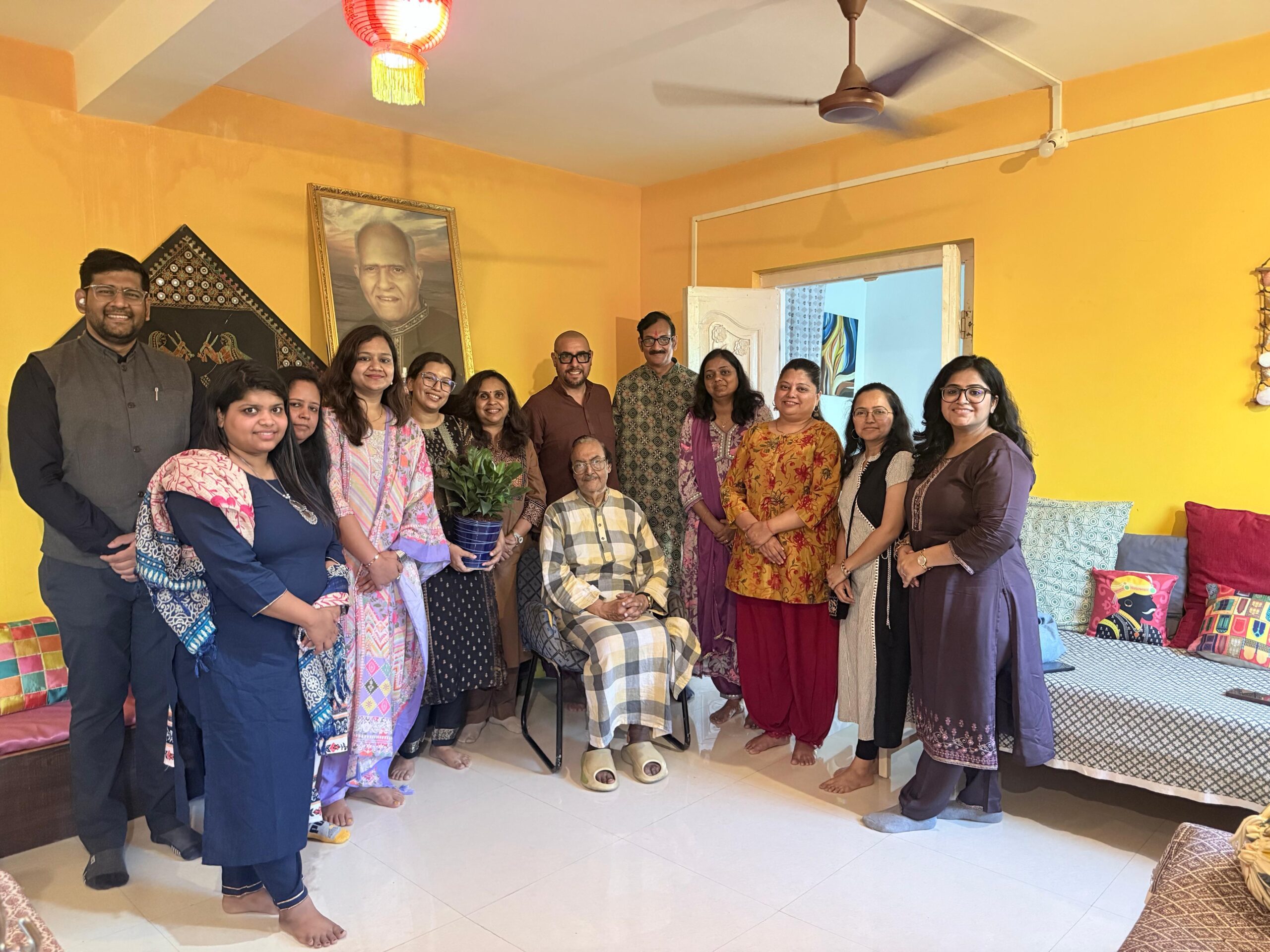
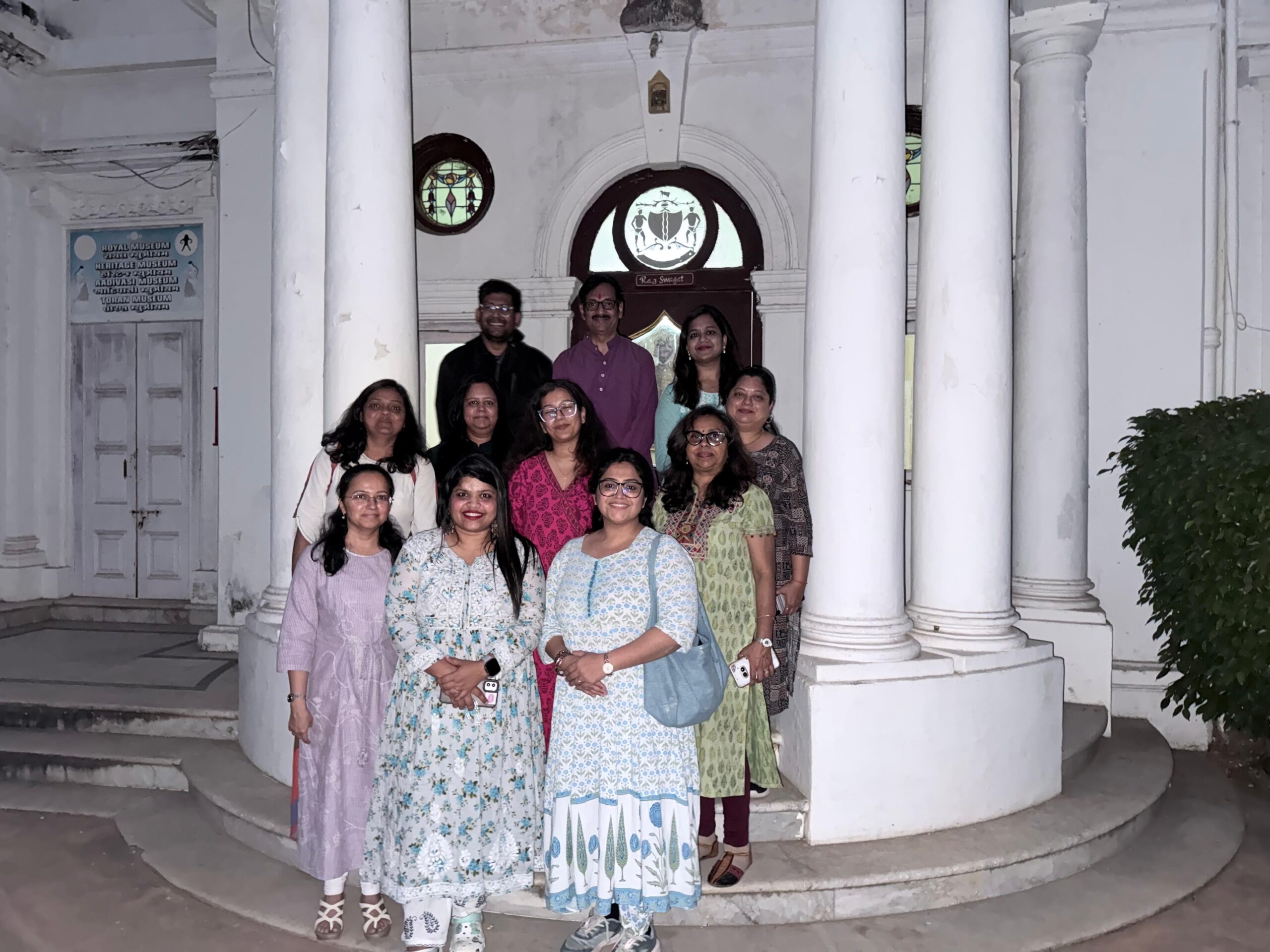
The final leg of our journey took us to Rajpipla and the historic landscapes of Champaner. At Queer Bagh, we had the rare opportunity to learn about the heritage of the region through a personal tour led by Manvendra Singh Gohil, the Prince of Rajpipla. Listening to stories about the palace, its legacy, and the evolving identity of the region added a deeply human dimension to our understanding of history.

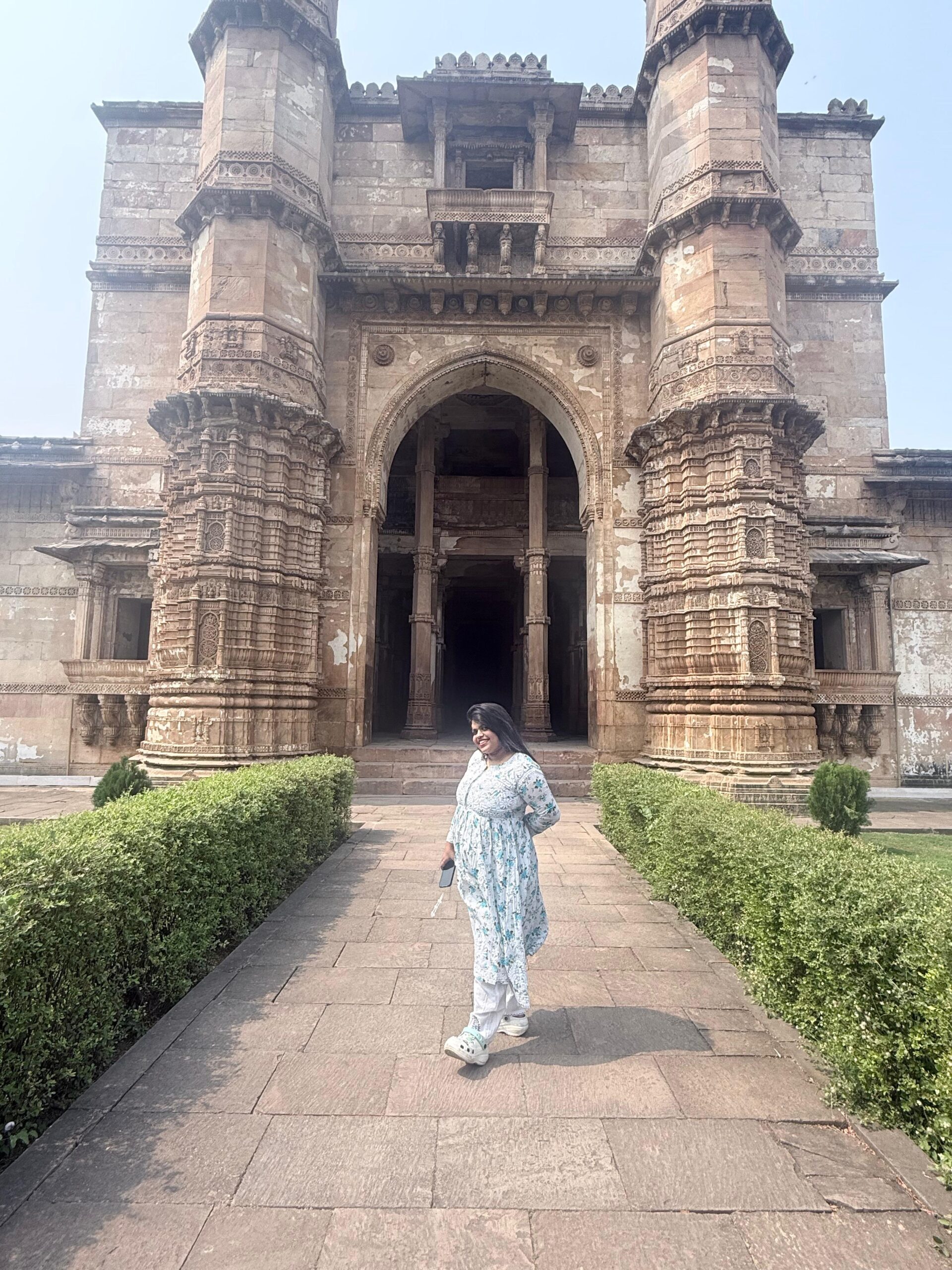
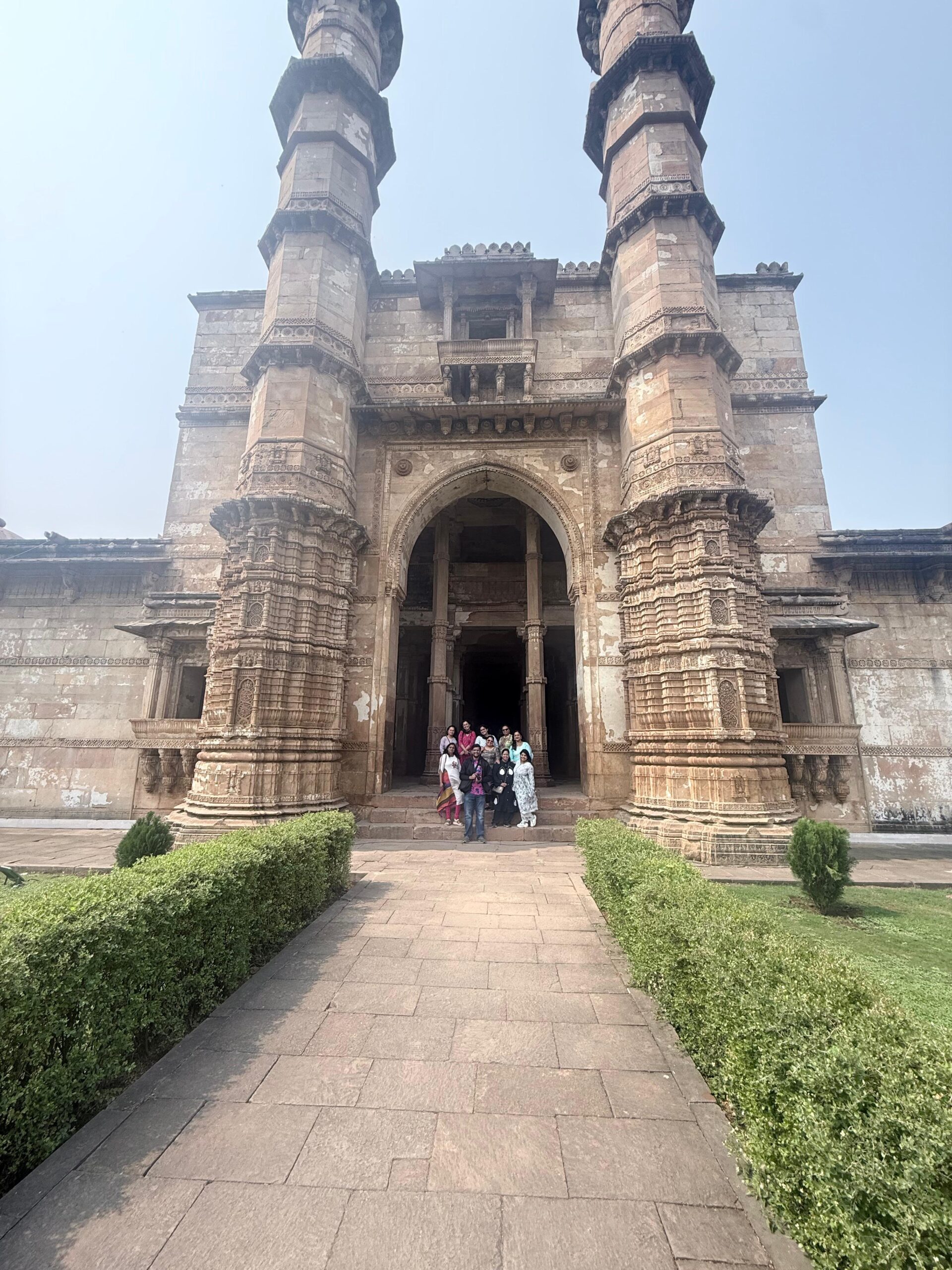
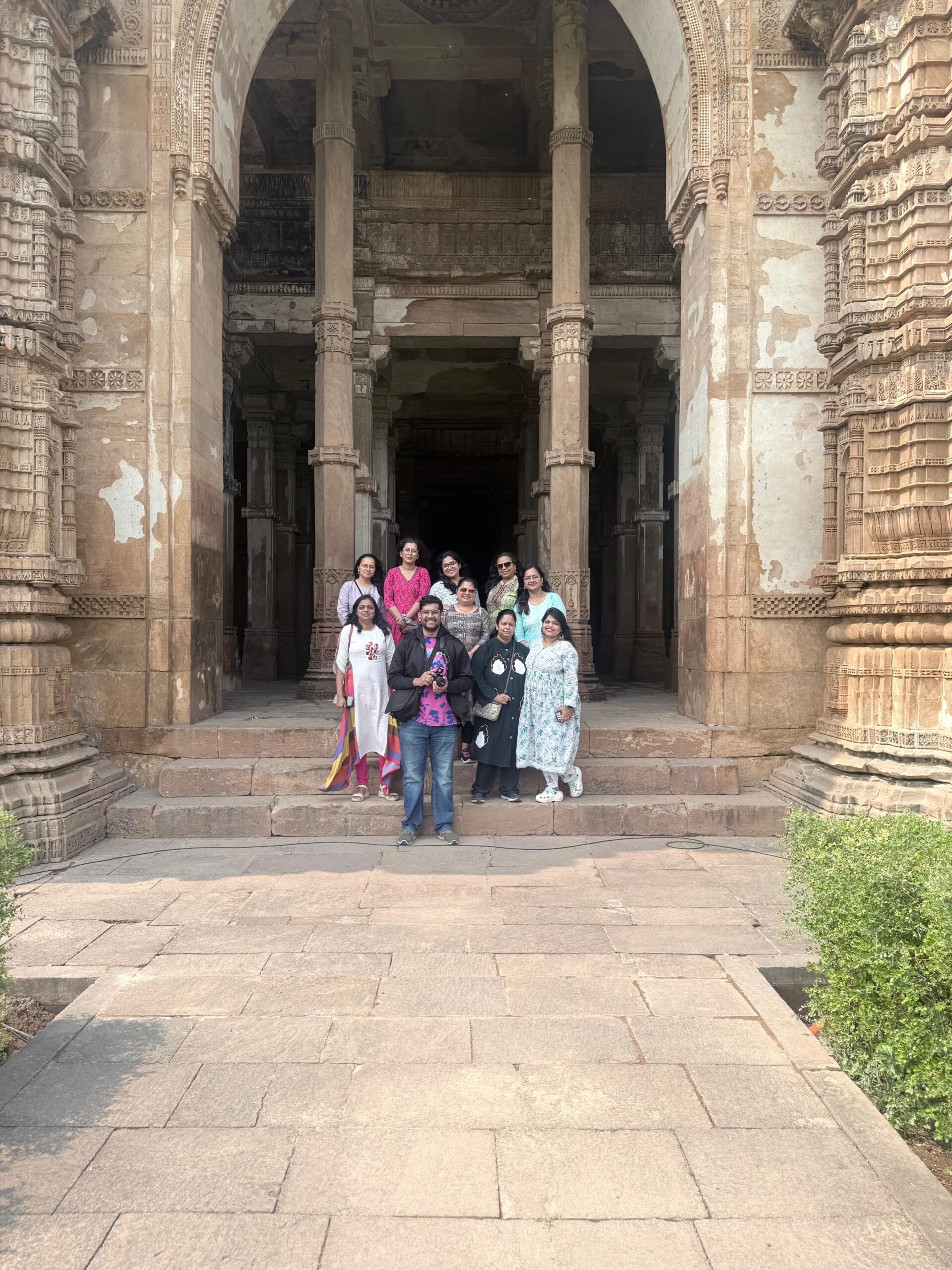
Our journey concluded at the magnificent Champaner–Pavagadh Archaeological Park, a UNESCO World Heritage Site where history unfolds through stunning architecture and landscapes. From the panoramic views at Pavagadh Hill to the remarkable craftsmanship of the Jami Masjid, the site beautifully reflects the cultural and architectural diversity of India’s past.

Looking back, Unveiling Unseen Places was more than a journey across locations—it was a journey into stories, histories, and communities that are often overlooked. It reminded us that learning does not always happen within four classroom walls. Sometimes it happens beside a waterfall, on a mountain trail, in a village kitchen, or within the quiet corridors of history.

And perhaps the greatest lesson of all was this: the unseen places are not just the destinations on a map—they are the perspectives we gain when we take the time to truly look.

Unveiling the Unseen: Learning Beyond the Classroom

This term, our Life Class journeys were designed around a simple yet powerful idea, to unveil the unseen. As educators, we often encourage students to explore the world with curiosity. This experience reminded me that we, too, need opportunities to rediscover the stories and cultures around us.

Our first exploration began in our own city, Surat. While it is a place we live and work in every day, visiting spaces like Gopi Talav, the historic Narmad Library, and the serene Dutch Garden Cemetery and British Cemetery helped us see the city through a different lens. These places revealed Surat’s layered history as a cultural and trading hub where many communities once intersected.

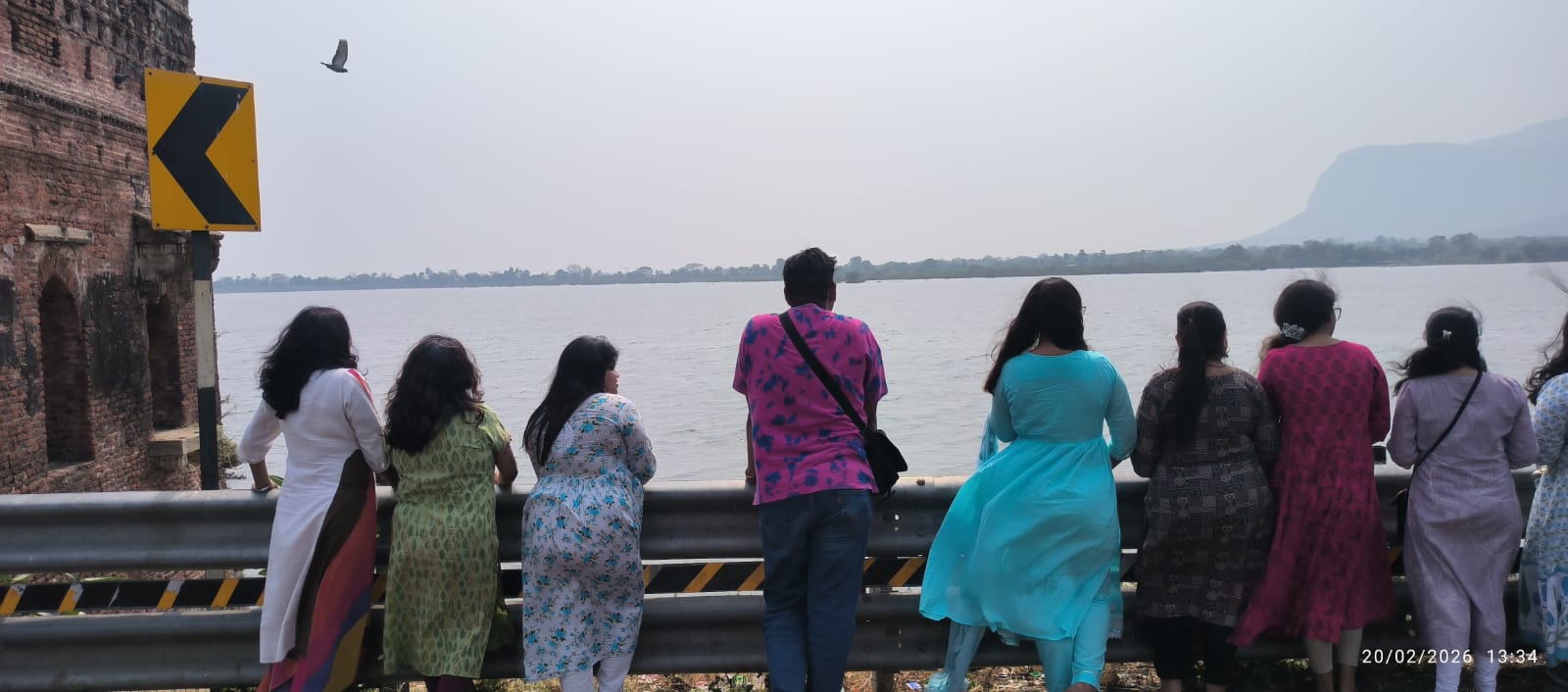
Our next visit to Kalamkui shifted the focus from history to nature. The highlight was witnessing the beauty of the Kalamkui Waterfall. Surrounded by the sounds and rhythms of nature, it was a reminder of how landscapes shape the lives and traditions of the communities that inhabit them.

The final journey took us to Champaner-Pavagadh Archaeological Park, a UNESCO World Heritage Site that stands as a testament to Gujarat’s rich architectural and cultural heritage. The visit continued to Rajpipla, where we learned about the legacy of Manvendra Singh Gohil and the royal history of the region.

We also explored the ecological spaces around the Statue of Unity, including the Cactus Garden and the Butterfly Garden, which celebrate biodiversity and thoughtful conservation.

What stood out across all these experiences was the reminder that culture is not always obvious, it is embedded in landscapes, architecture, stories, and even silence. This journey encouraged us to slow down, observe more deeply, and appreciate the unseen layers of the places around us.

As educators, such experiences enrich our own perspectives and ultimately shape how we guide students to see the world, with curiosity, respect, and a deeper sense of connection.

Unveiling Unseen Places

Our class trip, Unveiling Unseen Places, was an unforgettable experience that opened our eyes to the beauty, culture, and stories hidden in different corners of our region. Each day had something special — from quiet villages to waterfalls, farms, and ancient temples.

Day 1: Dandi Gam

Our journey began at Dandi Gam, a calm and welcoming village. As we walked through its small lanes, we admired the traditional houses and were lucky to see peacocks roaming freely. The peaceful environment and friendly people made us feel at home. We ended the day at the beach, where we relaxed by the waves and watched the sunset — the perfect finish to our first day.

Day 2: Venil Eco Den, Gira Waterfall, and Dangi Restaurant

On the second day, we visited Venil Eco Den, a beautiful place surrounded by nature. We learned about sustainable living and enjoyed the fresh air and greenery. Our next stop was Gira Waterfall, where the sound of rushing water and the mist in the air made the place feel magical. After exploring, we went to Dangi Restaurant for lunch and enjoyed authentic Dangi food. The flavors were amazing and made the experience even better.

Day 3 and 4: NashikOur trip to Nashik began with a fun and lively bus journey filled with music and laughter. Our first stop was Pandav Leni, a group of ancient rock-cut caves with fascinating carvings and a view that made the short climb worth it. We also visited several temples and learned about their connection to the Ramayana, which helped us understand the history of the place. The visit to the Shiva Jyotirlinga temple was a peaceful and spiritual moment for everyone.The trek to Bhamjhagiri was one of the highlights of the trip. The path was steep but exciting, especially with mischievous monkeys along the way trying to snatch our things. In the evening, we attended the Ganga Aarti, where the chants and glowing lamps created a beautiful and calm atmosphere. Before heading back, we stopped at Peru Hi Wadi and enjoyed spicy Misal Pav followed by delicious guava ice cream, a perfect way to end our journey. This trip taught me to look beyond what I see every day and appreciate the beauty and culture around me. From the simplicity of Dandi Gam to the freshness of Gira Waterfall and the history of Nashik, every place had its own story. More than just a trip, it was a reminder to stay curious, explore new places, and enjoy the little moments along the way.

Thinking Hard When It’s Hardest: Lessons in Ethical Decision-Making

In our critical thinking professional development class, I learned that being ethical is not just about knowing right from wrong—it’s about thinking critically, especially in difficult situations. Ethical decisions require effort, and often our biases influence us more than we realize.

We discussed how being a “cognitive miser” can actually help. By simplifying small daily decisions—like what to wear to school—we save mental energy for more complex ethical choices. Reducing decision fatigue allows us to think more clearly when it truly matters.

Real-life cases deepened my understanding. The Masaba Photography campaign challenged us to question our assumptions and emotional reactions. The case of “hyena men” in Malawi pushed us to think about cultural practices and universal ethics. Our favorite discussion, the Trolley problem, revealed how biases shape moral decisions.

As an adult, this class will help me make more rational and thoughtful choices in professional and personal situations. I now understand that being ethical means slowing down, questioning my biases, and choosing reason over impulse.

Critically Analysing my Thoughts

This Life class has been a meaningful and enriching experience. It encouraged us to slow down, think more deeply, and avoid jumping to conclusions. Through thoughtful discussions and real-world examples, we learned how to question our assumptions and consider multiple viewpoints before forming opinions.
As the sessions progressed, everyone became more comfortable sharing their thoughts, and the conversations grew more open and respectful. Overall, the workshop has helped us become more mindful thinkers and better listeners, which will definitely support us in both academic and real-life situations.

A few important lessons stand out

1. Gaps between social practice and legal protectionSome traditions or practices can become harmful when misused. These cases show how vulnerable people — especially women — may need stronger awareness of their legal rights and access to protection.2. Importance of consent and dignityAny relationship or social custom must respect personal consent, safety, and dignity. When pressure or coercion appears, it becomes a human-rights issue, not just a cultural matter.3. Role of law and awarenessMany people may not know what protections the law offers or how to seek help. Education and awareness can reduce exploitation and encourage safer reporting systems.4. Media vs. official dataWe also learn to be careful about interpreting media reports. Individual stories raise awareness, but they don’t always represent full statistics. Good decisions require reliable data and critical thinking.5. Need for balanced discussionSensitive topics should be discussed respectfully, focusing on human welfare rather than blaming communities. Constructive dialogue helps improve systems without increasing social division.

Beyond Assumptions

We focused on a collaborative group task where we explored different ethical theories. Each group was assigned one theory — Moral Reasoning, Moral Relativism, Self-Interest Theory, Deontology, Utilitarianism, or Rule Utilitarianism — and we had to explain its meaning, give examples, and discuss its limitations.As the presentations began, it became clear that morality is not simple. The group discussing Moral Reasoning explained how people think about right and wrong at different levels — sometimes based on punishment, sometimes on rules, and sometimes on principles like justice. It made us reflect on our own decision-making.The Moral Relativism group showed how values differ across cultures, raising the question of whether anything can be universally right or wrong. The Self-Interest Theory group highlighted how people often act for personal benefit, which felt realistic but also raised concerns about fairness.The Deontology group emphasized following moral rules regardless of consequences, while the Utilitarianism group focused on achieving the greatest happiness for the greatest number. Rule Utilitarianism offered a balanced approach by supporting rules that generally create the most good.What stood out was that every theory had strengths and weaknesses. No single approach fully solves moral dilemmas. Today’s group task helped us understand that ethics requires thoughtful analysis, open discussion, and the willingness to see issues from multiple perspectives.

Critical thinking ETA day 5 and 6

In our recent Life Classes, we explored one of humanity’s most sensitive yet profound subjects — religion and spirituality. These sessions were not just about learning definitions, but about understanding how faith, belief, rituals, and traditions shape who we are and how we see the world. We discovered that while these concepts often overlap, each plays a distinct role: religion offers structure, spirituality builds a personal connection, belief gives direction, rituals create consistency, and traditions bring people together. What made the experience truly meaningful was that it didn’t impose any single truth. Instead, it encouraged us to ask questions, challenge assumptions, and reflect deeply on our own perspectives.

Vardan Sir’s session was particularly powerful. He shared his personal journey toward atheism — a story that was both surprising and inspiring. His honesty created a safe space for everyone to express their doubts and beliefs openly, without fear of being judged. Rather than trying to convince anyone, he simply invited us to think. His story reminded me that questioning isn’t an act of rebellion; it’s a way of growing closer to the truth. It helped me realize that faith doesn’t always mean having answers — sometimes, it means having the courage to explore the questions.

We also watched The Man from Earth, a film that beautifully blurred the lines between logic, faith, and history. It made us think critically about what we believe and why. The movie challenged the idea that truth must always be proven — sometimes, truth exists in experience, emotion, and belief. The discussion that followed was full of curiosity and reflection, and it helped me see how diverse yet deeply connected people’s beliefs can be.

All of this made me reflect on my own journey of faith. When I was younger, I believed that God was a powerful being who controlled everything — from our daily lives to our destinies. Religion, to me, was a set of rules and rituals that one must follow to be good and stay close to God. I accepted what I was taught at home and in my community without much thought. But as I grew older, small doubts began to surface. If there is one God, why are there so many religions? Why do bad things happen to good people? Why do some prayers go unanswered?

These questions did not weaken my belief; instead, they made me more curious. I began to see faith as something deeper than rituals or doctrines. I started to believe that God is not necessarily a figure watching over us, but rather a universal energy — a presence that connects all living things. Religion, I realized, is just one of the many paths that lead to that divine truth. Every religion has its own wisdom, its own beauty, and its own way of teaching compassion and goodness. What matters most is not which path we follow, but how we treat others — with kindness, empathy, and respect.

Even today, I carry questions within me. I wonder about destiny and free will, about life after death, and about the meaning of existence. But I’ve come to understand that maybe it’s okay not to know everything. Faith, for me now, is not about certainty; it’s about seeking. It’s about staying open, curious, and humble enough to keep exploring what feels true to the heart.

Looking around, I see how people today struggle to balance faith with modern life. Some lose belief because they cannot see what they are asked to trust. Others are disillusioned by how religion is sometimes misused to divide people. But I also see hope — people who are rediscovering spirituality beyond boundaries and labels, who focus on shared values rather than differences.

To me, that’s where the real essence of faith lies — in the universal values that every religion teaches: love, peace, respect, and service. If we can focus on what connects us rather than what separates us, the world could be a kinder and more understanding place. Instead of debating who is right, we can listen, learn, and grow together. Because ultimately, we all seek the same things — meaning, purpose, and connection. And in that shared search, we are all one.

These Life Class sessions didn’t just teach me about religion; they helped me understand what it means to believe. They reminded me that spirituality is not about choosing one path over another — it’s about walking your path with awareness, compassion, and truth. For me, this journey has been about moving from blind belief to conscious faith — a journey not of finding all the answers, but of learning to live peacefully with the questions.

Critical thinking life class

The Critical Thinking Life Class revolved around religion, God, and how we identify with them. It pushed me to reflect on my own stance on religion. Throughout the discussion, I found myself questioning whether my faith was simply a result of my upbringing or something I had consciously chosen. When we spoke about having the freedom to choose our religion, I wondered if that choice would change anything for me.

Over the two days, I came to realize that truth can look different for everyone, and each version can still be valid in its own way. But values, I believe, shouldn’t be compromised—no matter what one’s religion, faith, or belief is. It may not make sense to question someone’s faith, but it’s fair to question their values. And actions, too, shouldn’t be justified by saying “because my religion says so.” Every action should have logical reasoning behind it.

Critical thinking ETA 5 & 6th day

Over the last two days, our Lifeclass sessions took us on a deep and reflective journey about religion, faith, and belief. It wasn’t a lecture it was more like a safe space where everyone could express what they think, question what they’ve learned, and listen to others without judgment.

We began with simple yet powerful questions What do you believe in today? What did you use to believe? What still confuses you? These questions helped us pause and truly think about how our ideas about God and religion have changed over time. For many of us, it was comforting to realize that feeling doubtful or uncertain about faith is normal. The open conversations showed that questioning doesn’t weaken belief it often makes it more personal and real.

One thing that stood out for me was how we tried to find common ground even when our views were different. Some participants believed deeply in God, others leaned toward spirituality, and a few were still searching for meaning. Yet, almost everyone agreed that values like kindness, empathy, respect, and honesty matter more than religious labels. It showed that humanity connects us before religion does.

The discussions also made me think about how the new generation approaches faith. Unlike before, we don’t always accept beliefs just because they’re traditional we want to understand why they exist. Many of us are trying to balance faith with logic, religion with personal freedom, and belief with curiosity.

By the end of the session, I realized that religion isn’t only about rituals or rules it’s about the values and reflections that shape how we live and treat others. Whether someone identifies as religious, spiritual, or even unsure, what truly matters is the willingness to listen, to think, and to grow.

Overall, these Lifeclass sessions were more than discussions about God they were conversations about being human. They reminded me that faith doesn’t need to be certain to be meaningful, and that respect for different beliefs can lead to deeper understanding.

1 2 3 65