From Motivation To Leadership

The two days of Life Class gave me a different perspective on motivation, leadership, and managing people.The motivation activities helped me understand what drives me and how differently people can be motivated. It also made me reflect on how I can better understand what motivates the people around me.

The movie Mission Mangal made us look at teamwork and management from a different perspective. Looking at the characters as a team gave us many takeaways about leadership, communication and ownership, and how different strengths can come together towards a common goal.The vision board activity was a great way to end the two days. It made me pause and think about my goals, what I want to achieve, and where I see myself moving forward. It was a reminder that having a vision is only the first step; working towards it is what matters.

Overall, the two days were insightful and gave me a lot to reflect on, both personally and as someone working with a team.

From Doing the Work to Enabling Others

The two days of Life Class made me look at leadership and teamwork a little differently. One of my biggest learnings was the shift from “I can do it” to “How can I help others do it?” As someone who is used to taking ownership and making sure things get done, this really made me think.

For example, while coordinating a school event, my first instinct can be to handle the timetable, venues, communication and coordination myself because I know I can get it done. But as a manager, I need to create ownership in others, give them responsibility and trust them to take it forward.

Another important learning was that motivation is different for everyone. What motivates me may not motivate someone else. I also learnt that observation is not the same as assumption. If someone who was previously very involved suddenly stops participating, instead of assuming they are uninterested, I should first ask, listen and understand what has changed.

The IKEA Effect was another concept that stayed with me. We tend to value something more simply because we have put effort into creating it. I could relate this to my own work. Sometimes, after spending a lot of time creating a timetable or event plan, I may feel attached to it and find it difficult to accept a simpler idea. It reminded me to ask myself, “Is my idea actually better, or do I just feel attached because I made it?”

I also liked the idea of Mirror and Window. Sometimes we need to build on what already works, and sometimes we need to look outside and bring a completely new perspective. I think good teamwork needs both.

The concept of Gifts and Hooks also made me reflect on myself. My organisation and ownership are my strengths, but the same strengths can become a hook if I start checking everything myself or taking work back instead of allowing others to learn and take ownership.

Watching Mission Mangal brought many of these learnings together for me. It showed me that a leader doesn’t have to have all the answers. A good leader creates an environment where people feel trusted, heard and capable of contributing.

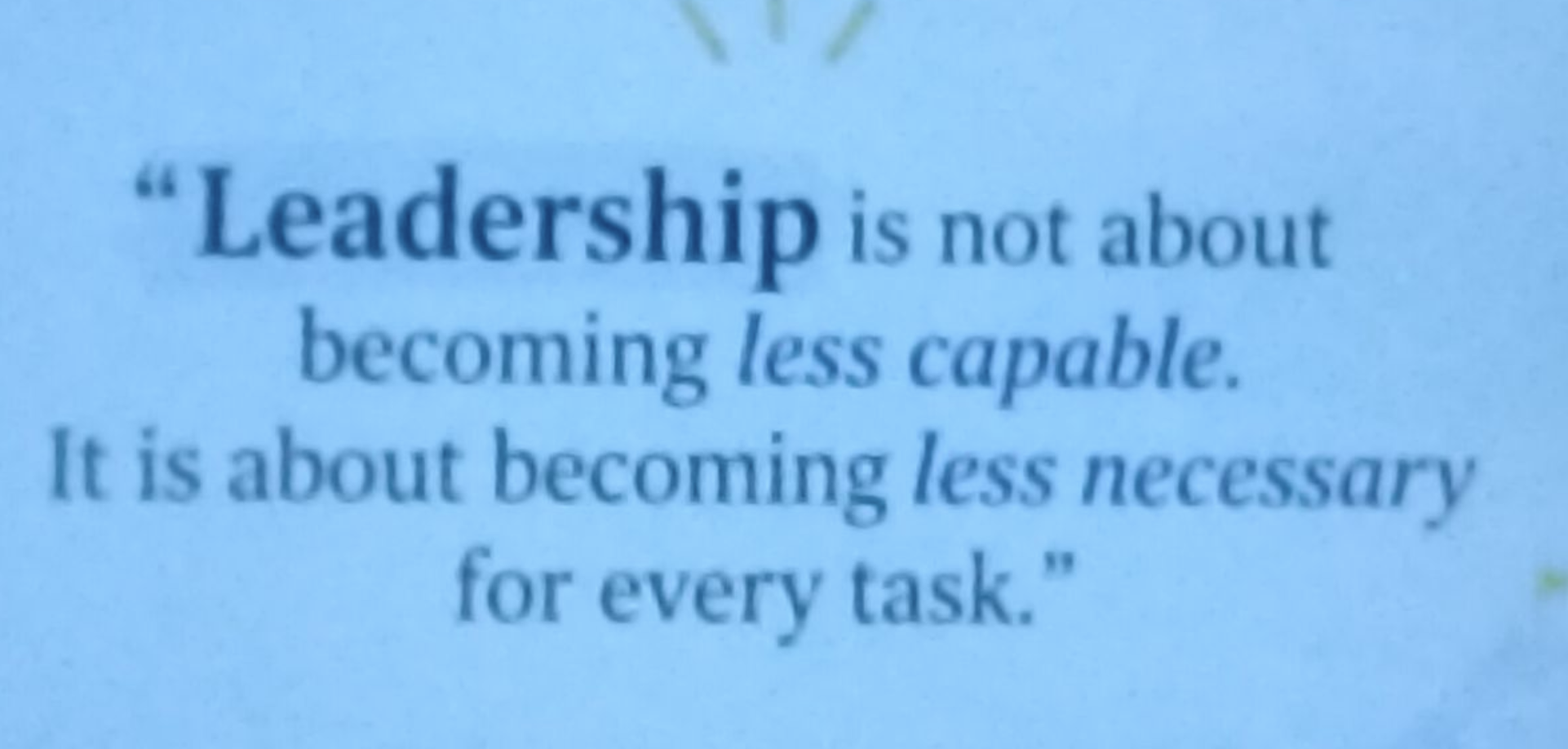
My biggest takeaway from these two days is simple: Leadership is not about being the person who does everything. It is about helping people become capable of doing things themselves.

My Reflections on Leadership, People Management, and Team Building


Learning to Become a Better Manager and Leader
Recently, I have been attending a life class where I am learning about people management, team building, motivation, and leadership. These sessions have given me a new perspective on how to work with people, understand their feelings, and build a successful team.
I have realized that being a manager is not just about completing tasks or achieving targets. It is also about understanding people, supporting them, and helping them grow.

  1. People Management: Understanding People
    Every person is different. Everyone has different skills, thoughts, emotions, and expectations.
    As a manager, it is important to understand team members, listen to their problems, and give them the right guidance. A good manager does not only focus on mistakes but also recognizes effort and encourages improvement.
    I learned that when people feel respected and valued, they become more confident and willing to contribute to the team.
  2. Team Building: Together We Can Achieve More
    A successful team is built on trust, communication, cooperation, and respect.
    Every team member has a different strength. Some people are good at planning, some at execution, and others at solving problems. A manager’s responsibility is to bring these strengths together.
    I believe that teamwork is not about one person doing everything. It is about everyone working together toward a common goal.
  3. Manager and Team: Growing Together
    A manager should not think, “I am the boss, and everyone must follow me.”
    Instead, a manager should think, “I am responsible for helping my team succeed.”
    A good manager provides clear direction, gives constructive feedback, appreciates good work, and creates opportunities for team members to learn.
    When the team grows, the manager also grows.
  4. Intrinsic and Extrinsic Motivation
    One of the interesting topics we learned was motivation.
    Intrinsic Motivation
    Intrinsic motivation comes from within. A person does something because they enjoy it, feel proud of it, or want to improve themselves.
    For example:
    Learning a new skill because you enjoy learning.
    Completing a task because you feel satisfied with your work.
    Helping someone because you genuinely want to help.
    Extrinsic Motivation
    Extrinsic motivation comes from external rewards or recognition.
    For example:
    Salary increments.
    Bonuses.
    Promotions.
    Awards and appreciation.
    Recognition from managers.
    Both types of motivation are important. However, I believe that when people develop an inner desire to learn and improve, their growth becomes more meaningful and lasting.
  5. Mirror and Window
    The concept of Mirror and Window gave me an important lesson in leadership.
    The mirror represents looking at ourselves. Before blaming others, we should ask:
    What could I have done better?
    Did I communicate clearly?
    Did I support my team properly?
    What can I learn from this situation?
    The window represents looking at others and recognizing their contributions.
    A good leader gives credit to the team when things go well and takes responsibility when things go wrong.
    This taught me that leadership begins with self-awareness and accountability.
  6. Gifts and Hooks: From a Manager’s Perspective
    We also learned about gifts and hooks in relationships between managers and team members.
    A gift can represent genuine support, trust, appreciation, guidance, or an opportunity to grow.
    For example, a manager gives a team member a new responsibility because they believe in their ability.
    A hook can represent an expectation attached to something given. For example, someone may offer support or a reward but expect control, personal favors, or unquestioning loyalty in return.
    As managers and team leaders, we should be careful about how we build relationships. Our support should encourage people, not make them feel trapped or controlled.
    True leadership is about giving people opportunities, not creating unnecessary pressure.
  7. The Leadership Shift
    One of the biggest lessons from this class was the shift from being a traditional boss to becoming a supportive leader.
    A boss may focus mainly on giving instructions and checking results.
    A leader focuses on:
    Guiding people.
    Building trust.
    Listening to concerns.
    Developing team members.
    Encouraging ownership.
    Creating a positive work environment.
    This shift can make a big difference in how a team performs.
    I want to become a manager who does not simply tell people what to do, but helps them understand why their work matters.
  8. Learning from the Movie Mission Mangal
    Watching Mission Mangal was one of the most inspiring parts of the learning experience.
    The movie shows how a team works together to achieve a challenging goal. Despite limited resources, difficulties, personal challenges, and moments of doubt, the team continues moving forward.
    My Positive Reflections
    Teamwork makes difficult goals possible. When people with different skills work together, they can solve problems more effectively.
    Every team member matters. Each person brings unique knowledge and abilities. A good leader recognizes and uses these strengths.
    Challenges can create opportunities. Difficult situations can encourage people to think differently and discover new solutions.
    Belief and determination are important. Success does not always come easily. Patience, hard work, and a positive attitude help teams continue during difficult times.
    Leadership means bringing people together. The movie reminded me that a leader’s role is not only to manage work but also to inspire people to believe in a common purpose.
    My Final Reflection
    This life class has helped me understand that leadership is a continuous learning journey. A manager must keep improving their communication, emotional intelligence, decision-making, and ability to understand people.
    I have learned that a successful team is not built only through rules and targets. It is built through trust, respect, motivation, and genuine support.
    Going forward, I want to apply these lessons in my professional life and become a manager who helps people feel confident, valued, and motivated.
    My biggest takeaway is simple: A good manager manages work, but a great leader develops people.

My Two-Day Learning Journey with LIFE Class

The past two days of LIFE Class were a great opportunity to learn more about myself and how I can work better with others.

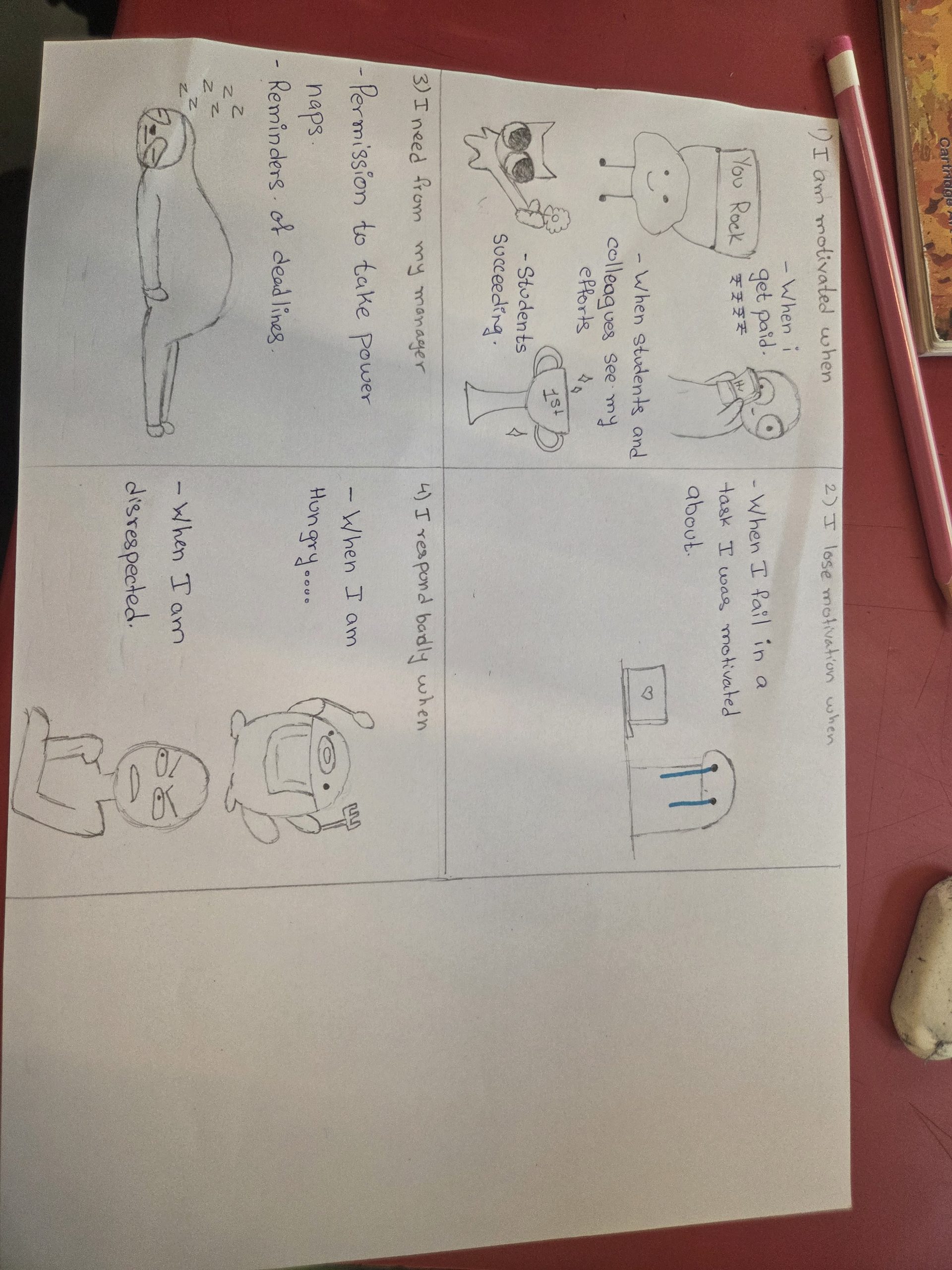
We began by understanding motivation and the difference between intrinsic and extrinsic motivation. Through a motivation chart, I reflected on what drives me and what keeps me motivated.

We then explored people management and leadership, including the qualities of a good manager, the shift from an individual mindset to a managerial mindset, and the importance of taking initiative and ownership.

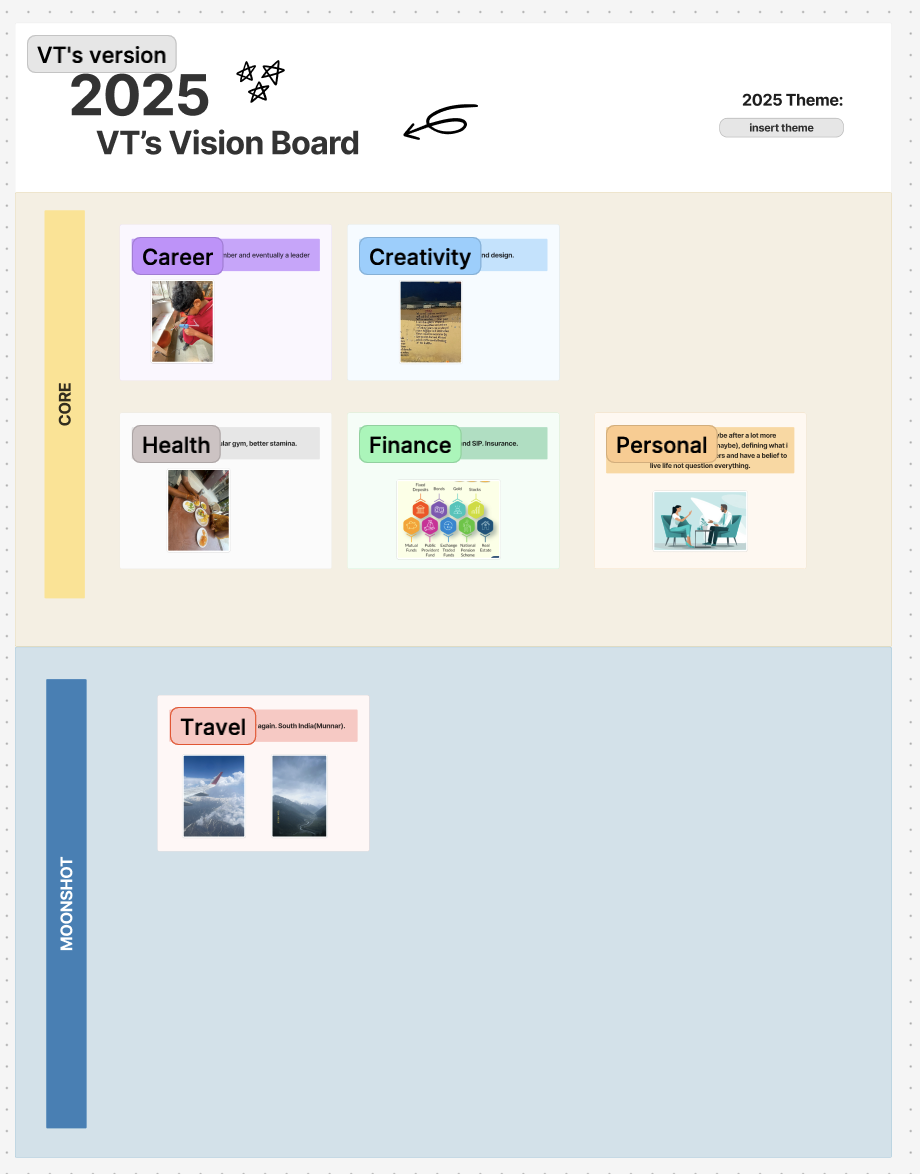
To end the sessions, we created our own vision boards, which helped me reflect on my goals, aspirations, and the person I want to become.

Overall, these two days gave me valuable insights into self-awareness, motivation, leadership, and personal growth—learnings that I hope to carry into both my professional and personal life.

Leading with Empathy, Driven by Purpose: A Life Class Reflection

The two-day Life Class was a great learning experience. We explored the types of motivation, including intrinsic and extrinsic motivation, and understood how different people are driven by different factors.

I learned that being a good people manager means being empathetic, leading the team rather than doing everything independently, giving everyone a voice, appreciating their efforts, and creating psychological safety. These qualities help build healthy team relationships.

Watching the movie Mangalyaan and connecting its ideas to our learnings through reflection was particularly meaningful. The session concluded with a fun and creative vision board activity using paper crafts, which gave us an opportunity to express our goals and aspirations.

Overall, it was an engaging and insightful experience. Thank you!

People Management

The two-day session was an insightful, engaging, and reflective learning experience covering mindful walking, motivation diagnostics, leadership development, managing responses to challenges, and intrinsic and extrinsic motivation.

The mindful walking activity highlighted the importance of being present, staying calm, and developing greater self-awareness. The motivation diagnostic helped me understand individual motivational drivers and how they can influence behaviour and performance in the workplace.

The leadership sessions emphasized leading by example, effective communication, delegation, trust, and empowering team members. The discussions around responding to challenges encouraged me to reflect on different behavioural responses and the importance of approaching situations positively and constructively.

The concepts of intrinsic and extrinsic motivation provided valuable insights into what drives people and how leaders can create an environment that supports both performance and personal growth.

Overall, the sessions were practical, interactive, and thought-provoking. They encouraged me to become more self-aware, empathetic, solution-oriented, and effective in my leadership approach.

Key takeaway: Effective leadership is not just about managing tasks; it is about understanding people, inspiring them, building trust, and supporting their growth.

EI and People Management

In the recent life class we learned about how to think like a manager. How we should manage people. We did a activity where we learned to complete a task with limited talented people and how to complete that same task when we got a suprise hurdle. We also talked about people management. We discussed how we should behave on an executive level to make a road map to reach till the manager or management position (for the same we watched a video also). On the second day we watched a movie where we connected all dots about management, leadership and emotional intelligence. At the end we also made a vision board for our selfs.

Day 3-4

This reflection helped me pause and think about how I understand myself and others, especially in terms of mindset and motivation.

I began by looking at the idea of mirror and reflect. The “mirror” is about honestly noticing my own thoughts, reactions, and patterns. It is about asking myself: What am I feeling? Why did I respond in this way? The “reflect” part goes deeper—thinking about what these responses mean and how they affect others around me. This process made me realise that awareness is the first step towards meaningful change.

Another important learning was the difference between an individual mindset and a manager mindset. When I operate with an individual mindset, I focus mainly on my own tasks, goals, and performance. However, a manager mindset requires me to think beyond myself—to consider the needs, motivations, and perspectives of others. It involves guiding, supporting, and creating an environment where everyone can do their best. Shifting between these mindsets is important depending on the situation.

I also explored intrinsic and extrinsic motivation. Intrinsic motivation comes from within—doing something because I enjoy it or find it meaningful. Extrinsic motivation, on the other hand, is driven by external rewards or recognition. I noticed that while extrinsic motivation can help in the short term, intrinsic motivation creates deeper engagement and long-lasting commitment. This made me reflect on what truly drives me and how I can nurture intrinsic motivation in myself and others.

Creating my personal motivation map helped me connect these ideas. It allowed me to identify what energises me, what drains me, and what influences my actions. I realised that my motivation is not fixed—it changes based on context, people, and experiences. Being aware of this helps me make more intentional choices.

The four-step process of noticing and responding gave me a practical way to handle situations:
First, noticing what is happening without immediate judgement.
Second, pausing to understand the situation and my reaction.
Third, choosing a thoughtful response instead of reacting impulsively.
Finally, reflecting on the outcome and what I can learn from it.
This process encourages me to be more mindful and less reactive.

When thinking about reasons, I understood that behaviour is often influenced by underlying factors such as emotions, past experiences, or unmet needs. Instead of making quick assumptions, it is important to look deeper and try to understand the “why” behind actions.

In terms of what I observed, I noticed patterns in how I and others respond under pressure, how motivation changes in different environments, and how small shifts in mindset can make a big difference in outcomes.

Finally, this reflection helped me think about what questions to ask. Some important questions I can carry forward are:

  • What is really driving this behaviour?
  • Am I reacting or responding thoughtfully?
  • How can I support myself or others better in this situation?
  • What can I learn from this experience?

Overall, this process helped me become more aware, more reflective, and more intentional in my actions. It reminded me that growth comes not just from what we do, but from how we think about what we do.
EI and People management Essentials – Day 3&4

During the two days, I understood my Hooks and Gifts. What kind of leader I wish to become and how I can be an effective leader.

Understanding my strengths and weakness, evaluating from this how other’s perception of me in my team and how to eventually work upon the things I lack as a leader is clear to me.

During the two days, we watched a movie called mission mangal which enlightened me about the things like being a effective manager. Making team members owning the work. IKEA EFFECT, videos on management.

Creating Vision Board in the end was the cherry on the cake for the two sessions.

Thank you for the session.

Life Class – Day 3 & 4: Emotional Intelligence and People Management

Days 3 and 4 of our Life Class journey on Emotional Intelligence and People Management gave me an opportunity to pause, reflect, and think about how I interact with myself and with the people around me.

Day 3 – Understanding What Drives UsDay 3 began with a mindful walk, which was a simple yet meaningful way to start the session. Instead of rushing through the activity, I was encouraged to slow down, observe my surroundings, and be more present in the moment. It reminded me that mindfulness is not always about sitting quietly; sometimes, it is simply about being aware of where we are and what we are experiencing.We then moved on to a few activities that encouraged us to explore ourselves better. One activity focused on what makes us feel valued and appreciated. Through this, I realised that appreciation does not look the same for everyone. What makes one person feel recognised may not necessarily have the same impact on another. It made me reflect on the importance of understanding the people we work with rather than assuming that everyone responds to appreciation in the same way.Another activity focused on what motivates us. Thinking about my own sources of motivation made me realise that motivation is not always about rewards or achievements. Sometimes, it comes from feeling trusted, seeing purpose in what we do, being acknowledged for our efforts, or simply knowing that our work has an impact.We also had a discussion on what makes a good leader. Rather than seeing leadership only as being responsible for a team or making decisions, I began to see it as something much more human. A good leader needs to understand people, listen to them, recognise their strengths, create a sense of trust, and know when to lead and when to step back.The biggest reflection I took from Day 3 was that people management begins with people understanding. Before trying to motivate, appreciate, or lead others, I need to understand what matters to them.

Day 4 – From Reflection to ActionDay 4 began with a short meditation, giving us a calm start before moving into the day’s activities. This was followed by watching Mission Mangal, which became much more meaningful because of the conversations we had on the previous day.While watching the movie, I found myself connecting the characters and situations with our discussions about leadership, motivation, appreciation, teamwork, and understanding people. The movie showed that a team is not made up of people who are all the same. Each person brings different strengths, experiences, motivations, and ways of thinking. What brings them together is a shared purpose and a leader who can recognise and bring out those strengths.It also made me think about how leadership is not always about having all the answers. Sometimes, it is about believing in people, giving them opportunities, and creating an environment where they feel capable of contributing.The final activity of the day was creating a vision board. This gave me an opportunity to step away from my everyday responsibilities and think about what I actually want for myself. Putting my goals and aspirations into something visual made them feel more tangible. It reminded me that having a vision is important, but so is taking small, consistent steps towards it.

My TakeawayThe two days helped me connect the ideas we discussed with real situations and with my own life. I particularly liked how the sessions moved from mindfulness and self-awareness to understanding others, leadership, and finally looking towards the future.My biggest takeaway was that emotional intelligence is not simply about managing emotions. It is also about understanding people, recognising what they need, communicating thoughtfully, and creating spaces where people feel valued and motivated.

1 2 3 4 5 6 … 10