There is something truly special about opening a new book.Reading takes us outside of our own daily routines. It opens our minds to so many new ideas and possibilities. For a little while, we get to step into a whole new world. We get to think, feel, and see things through a completely different lens.That shift in how we see things is exactly why we’re here at our book club. It reminds us that there are so many different ways to live and look at the world.
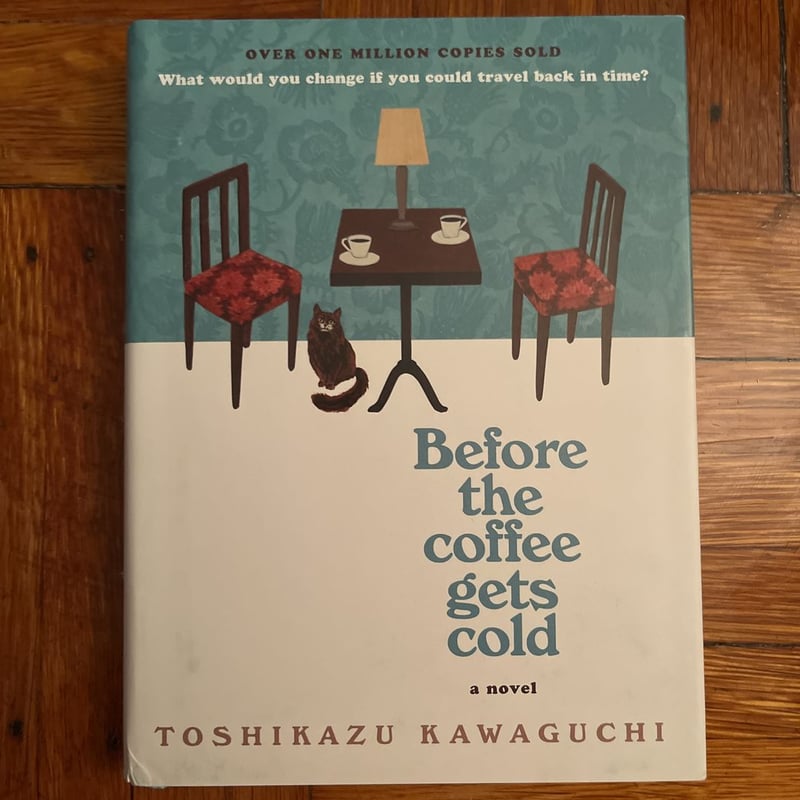
Our Book Club journey begins with Before the Coffee Gets Cold by Toshikazu Kawaguchi. The book which carries a rule that sounds simple until you sit with it: you can travel back in time, but nothing you do there changes the present. You can meet the person you lost, say the thing you never said, hear the words you needed to hear — and when you return, the world is exactly as you left it.
At first, that feels like a cruel joke. What’s the point of time travel if it changes nothing? But the longer I sat with it, the more it felt like the whole point. The characters who take that seat in the café aren’t trying to rewrite their lives. They’re trying to change themselves — to leave with something they didn’t have when they sat down. Closure. Forgiveness. Permission to move forward. The past stays fixed; it’s the person who walks back into the present who’s different.
That idea kept echoing through the other stories we watched and read alongside it: Remarkbaly Bright Creature, Charlie Mackesy’s The Boy, the Mole, the Fox and the Horse, The Lake House, Still Alice. Each piece it has something or the other to take into. We discussed the characters and their journeys at the end of each day and compared them with the characters and situations in the book. These conversations helped us make meaningful connections across the different stories and understand the themes of emotions, relationships, choices and the impact of time from different perspectives.
None of these five stories change a single fact for their characters. The past stays where it is; the diagnosis stays what it is; the years between the letters stay uncrossed. What each one offers instead is a chance to be more present, more honest, or more brave with the time that’s actually left — today, this conversation, this letter, this cup of coffee before it goes cold.
While reading Toshikazu Kawaguchi’s Before the Coffee Gets Cold, I kept thinking about how much time we spend looking back, replaying conversations, regretting choices and wondering what we could have done differently. The first two chapters reminded me of something uncomfortable but freeing: the past cannot be changed. The café allows you to go back, but nothing you say or do can change the present. Maybe that is the point , sometimes we don’t need to fix the past; we need to stop carrying it. But Chapter 4, Mother and Child, shifted my perspective completely. Kei doesn’t travel back. She travels fifteen years into the future to see whether her daughter will be okay. She returns knowing that her circumstances haven’t changed, but somehow, she is no longer afraid of them. That made me wonder, maybe we should all learn to future-travel a little. Not literally, of course, but mentally. When life feels overwhelming, perhaps we need to step out of the present for a moment and ask, What will this decision look like fifteen years from now? I saw the same idea in Still Alice, where Alice prepares for the future she knows is coming, and in Life as We Know It, where Holly and Eric slowly stop reacting to the chaos of the present and start imagining the life they could create for the child they are raising. Perhaps the pattern is simple: the past can teach us, the present needs us, and the future can give us strength. We cannot go back and rewrite where we started, but we can still choose what we do today , and maybe that is our own version of time travel. Tahera ma’am, made it so easy for us to travel between the past, present and future , and perhaps that was the perfect way to bring this beautiful reflection to a close.
Our Life Class – Book Club was a meaningful opportunity to reflect on life, experiences, and personal growth. Over two days, we explored Before the Coffee Gets Cold by Toshikazu Kawaguchi and reflected on how our past shapes who we are.
We discussed how we cannot change the past, but we can change how we understand and learn from it. Remarkably Bright Creatures helped deepen this idea by highlighting the power of perspective.
On the second day, The Boy, the Mole, the Fox and the Horse encouraged us to reflect on how our experiences, challenges, and relationships shape us and help us navigate the present and future.
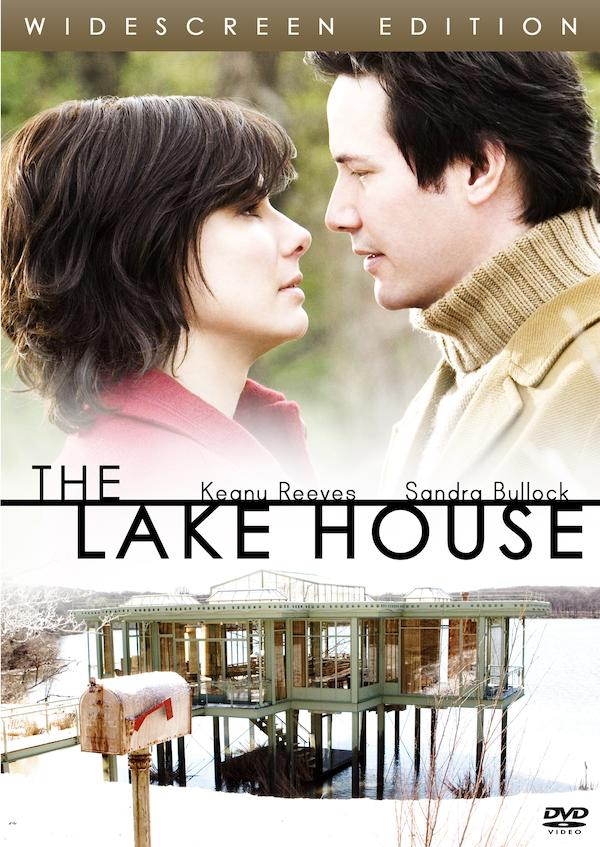
Both The Lake House and Toshikazu Kawaguchi’s Before the Coffee Gets Cold use an unusual form of communication between people separated by time. In The Lake House, Kate and Alex exchange letters through a magical mailbox, allowing them to communicate across two different years. In Before the Coffee Gets Cold, people can travel briefly into the past from a particular chair in a café. Although both stories use time travel to explore love, memory and missed opportunities, they treat the logic of time very differently.
One of the biggest problems in The Lake House is the apparent contradiction surrounding Alex’s death. At one point, Alex is shown dying in Kate’s arms, and his brother later tells Kate that Alex died two years earlier on Valentine’s Day. Yet Alex eventually receives Kate’s message telling him not to come and is saved, allowing them to meet at the end. This raises an obvious question: if Alex was saved, then who was the Alex who died in Kate’s arms earlier? The film seems to depend on the idea that the future can be rewritten, but it does not clearly explain what happens to the original timeline. The emotional ending works, but the logic becomes difficult to defend.
Before the Coffee Gets Cold has a different kind of loophole. In the story of the husband and wife, the wife travels to the past because she wants to know what is written in the letter her husband has been carrying. However, the letter already exists in the present, inside his portfolio. She could simply read it. Since the rules of the café state that travelling to the past cannot change the present, the contents of the letter should remain exactly the same. Her decision to travel therefore seems unnecessary from a practical point of view.
However, this difference reveals something important about the two works. The Lake House uses time travel mainly to create a romantic mystery and ultimately depends on changing the timeline. Before the Coffee Gets Cold uses time travel less as a logical mechanism and more as an emotional experience. The wife does not really need information; she needs the experience of hearing from her husband and understanding what his words mean to him. In both works, therefore, the emotional truth is stronger than the temporal logic. The stories remind us that sometimes people do not travel through time because they need to change the past. They travel because they need to understand what they could not understand in the present.
While reading the book, “Before the Coffee Gets Cold” I got to know that it is entirely in our control and it’s our freedom of the way we wish to react to situations around us. Also that we need to look at all the things from different perspectives. Though we can’t change the past, but reflecting on it we can strive to be kinder towards all.
I chose Book Club as a Life class option this year because I wanted to slow down, read beyond my usual choices, and give myself space to reflect. It felt like a simple way to reconnect with books, ideas, and different perspectives. Our Life class has made me reflect on something very simple, yet quite difficult: we cannot go back and change the past.
While reading Before the Coffee Gets Cold (a Japanese novel) and watching movies “The Lake House” and “Remarkably Bright Creatures“, I noticed a common thread. All three stories explore our desire to hold on to people, moments and possibilities that may no longer be within our control.
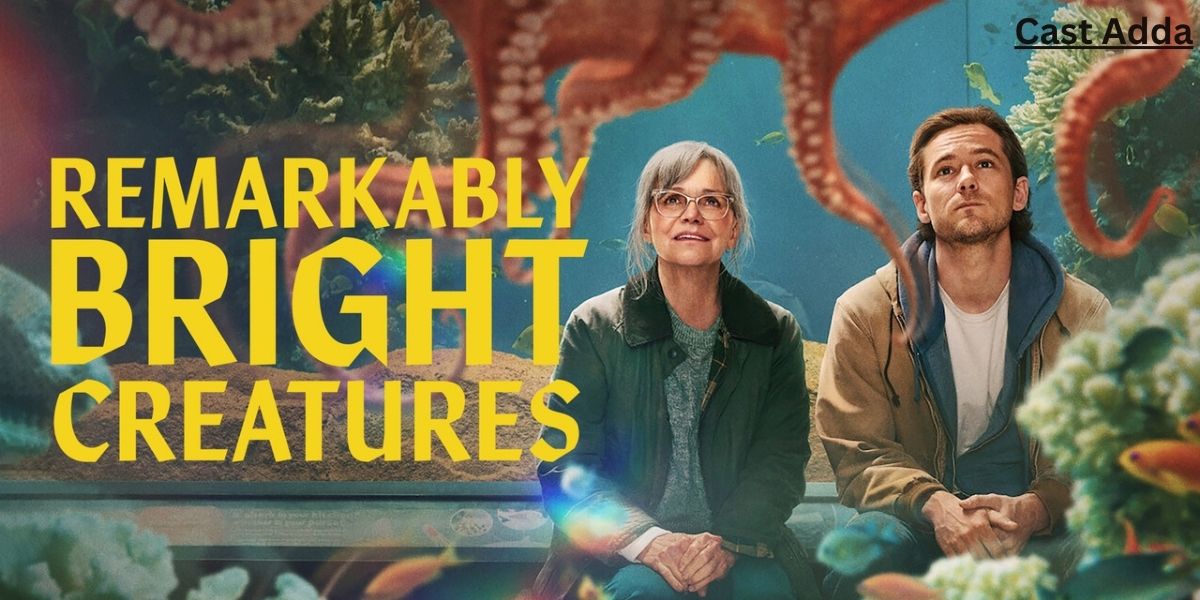
Before the Coffee Gets Cold gives its characters a chance to revisit the past, but they cannot change what has already happened. The Lake House shows how two people can be connected across time, yet still have to accept the reality of their circumstances. And in Remarkably Bright Creatures, Marcellus the octopus becomes a quiet reminder of memory, relationships and the passage of time. It made me think about how often we say, “If only I could go back and change things…” But perhaps going back is not really what we need. Maybe what we need is to understand what happened, accept what cannot be changed, and carry the learning forward. The past can teach us, but it cannot become our present.
We may not get another chance to change yesterday, but we always have a chance to respond differently today. And perhaps that is the real lesson , not to live wishing for another past, but to make peace with the one we have and be more present in the life we still have ahead. Our facilitator used thoughtful questions to help us seamlessly connect our reflections, keeping the entire session engaging and deeply interesting.
Being part of the Book Club this year has been a refreshing experience, not just because it gave me time to read, but because it gave me the opportunity to pause, reflect, and look at familiar ideas from a different perspective. In the middle of busy school days, Life Classes have created a small space where we can step away from our usual roles and simply be learners, readers, viewers, and people. Reading Before the Coffee Gets Cold, along with watching Remarkably Bright Creatures and The Lake House, unexpectedly brought together three very different stories through a common thread: time, relationships, missed opportunities, and the importance of appreciating the present.
The first two chapters of Before the Coffee Gets Cold made me think about how often we wish we could go back—to say something we left unsaid, change a decision, or spend a little more time with someone. Yet the story gently reminds us that going back does not necessarily change the past. What we can change is how we understand it and what we choose to do in the present. This made me reflect on how easily we become caught up in what has already happened or what is yet to happen, while forgetting that the present moment is the only one we can truly act upon.
Remarkably Bright Creatures brought a different but equally powerful perspective on relationships, loneliness, grief, and unexpected connections. What stayed with me was the idea that meaningful relationships can emerge in the most unexpected ways and that people often carry stories and struggles that we may never see on the surface. It reminded me to be more curious about people, more patient with them, and less quick to make assumptions.
The Lake House added another dimension to the idea of connection across time. The relationship in the film made me think about how people can find each other even when circumstances, distance, or time seem to stand in the way. Together, the three stories made me realise that perhaps the real connection is not simply about time travel or waiting for the right moment—it is about human connection and the choices we make with the moments we are given.
My biggest takeaway from these experiences is to notice the people and moments that are already around me. I want to carry forward the habit of slowing down, listening more deeply, expressing things before it is too late, and appreciating ordinary moments instead of constantly waiting for extraordinary ones. I also realised that stories have a unique way of making us reflect without directly telling us what to think.
The Book Club has therefore become more than just a reading space for me. It has been a space for conversation, curiosity, reflection, and a little escape from the everyday routine. I am looking forward to the future Life Classes and the stories, films, conversations, and perspectives they will bring. More than anything, I hope these sessions continue to give us permission to pause, reconnect with ourselves and each other, and leave with something meaningful to carry into our lives beyond the classroom.
Our Life Class – Book Club was a meaningful experience that gave us the opportunity to reflect on life, our experiences, and the lessons we learn as we grow. Over the two days, our discussions were centred around the book titled – Before the Coffee Gets Cold by Toshikazu Kawaguchi and the idea of how our past shapes us and influences the way we move forward in life.On the first day, we discussed on the idea that we cannot change the past. There may be moments in our lives that we wish we could go back to or change, but the reality is that what has happened cannot be undone.This becomes the central idea of the story and encourages us to think about why revisiting the past can still be meaningful, even when we cannot change it.We may not be able to change what happened, but looking back can help us understand things from a different perspective. With time, we may see situations, people, and even our own actions differently. This new understanding can help us find meaning in our experiences and learn from them.Our discussion became deeper after watching Remarkably Bright Creatures. It helped us think about how, even though we cannot change our past, we can change the way we understand it. The past may remain the same, but our perspective can change. We can learn from our experiences and use those lessons to make better choices as we move forward.
On the second day, we began by watching The Boy, the Mole, the Fox and the Horse movie . The story connected beautifully with the ideas we had discussed on the first day and helped us reflect further on life and personal growth.We talked about how our past experiences shape who we are. The good moments, the difficult experiences, the mistakes we make, and the people we meet all play a part in helping us grow. As we continued our discussion, we explored how looking back at our past can help us navigate the present and the future more easily.