Emotional intelligence

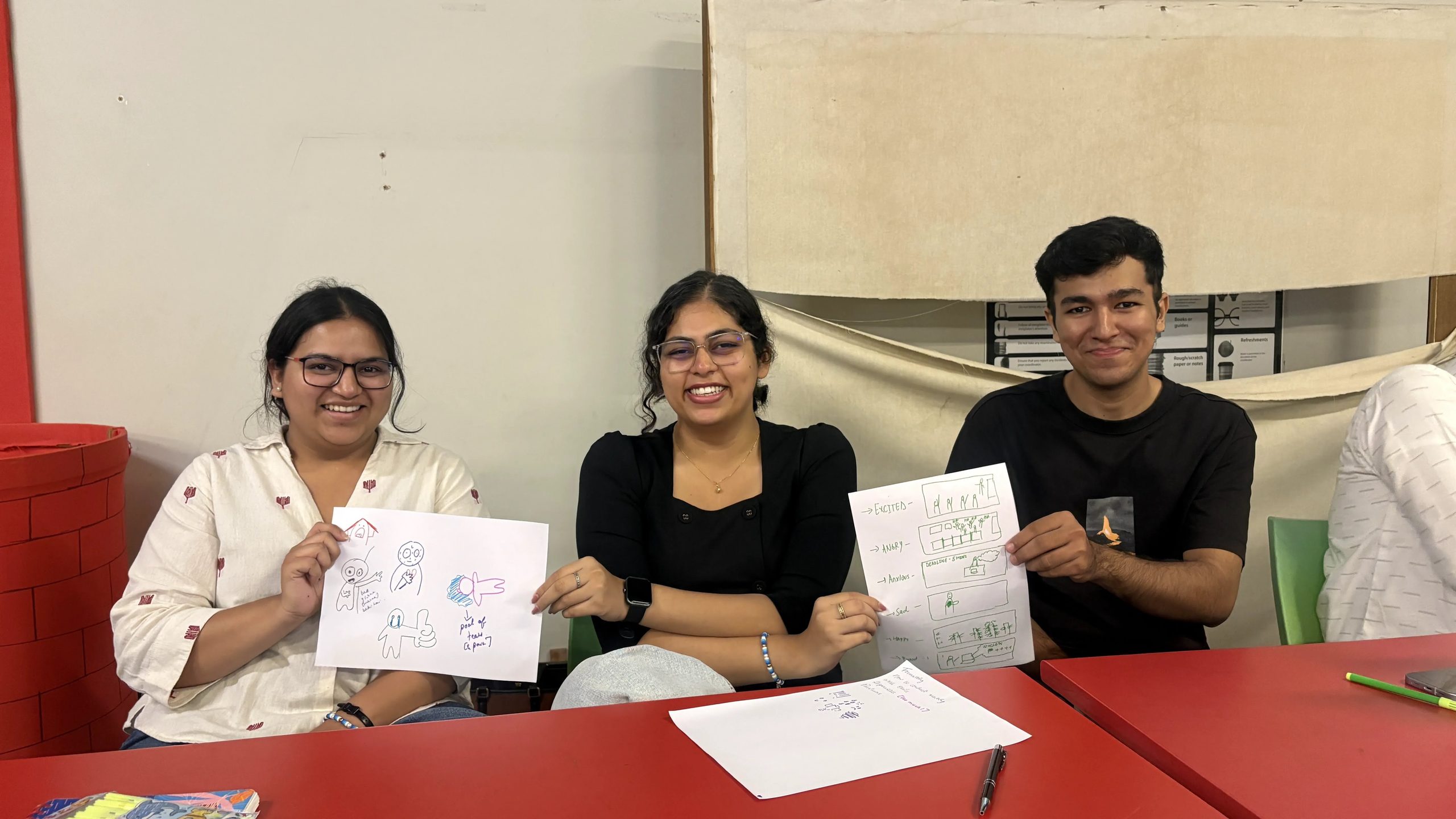
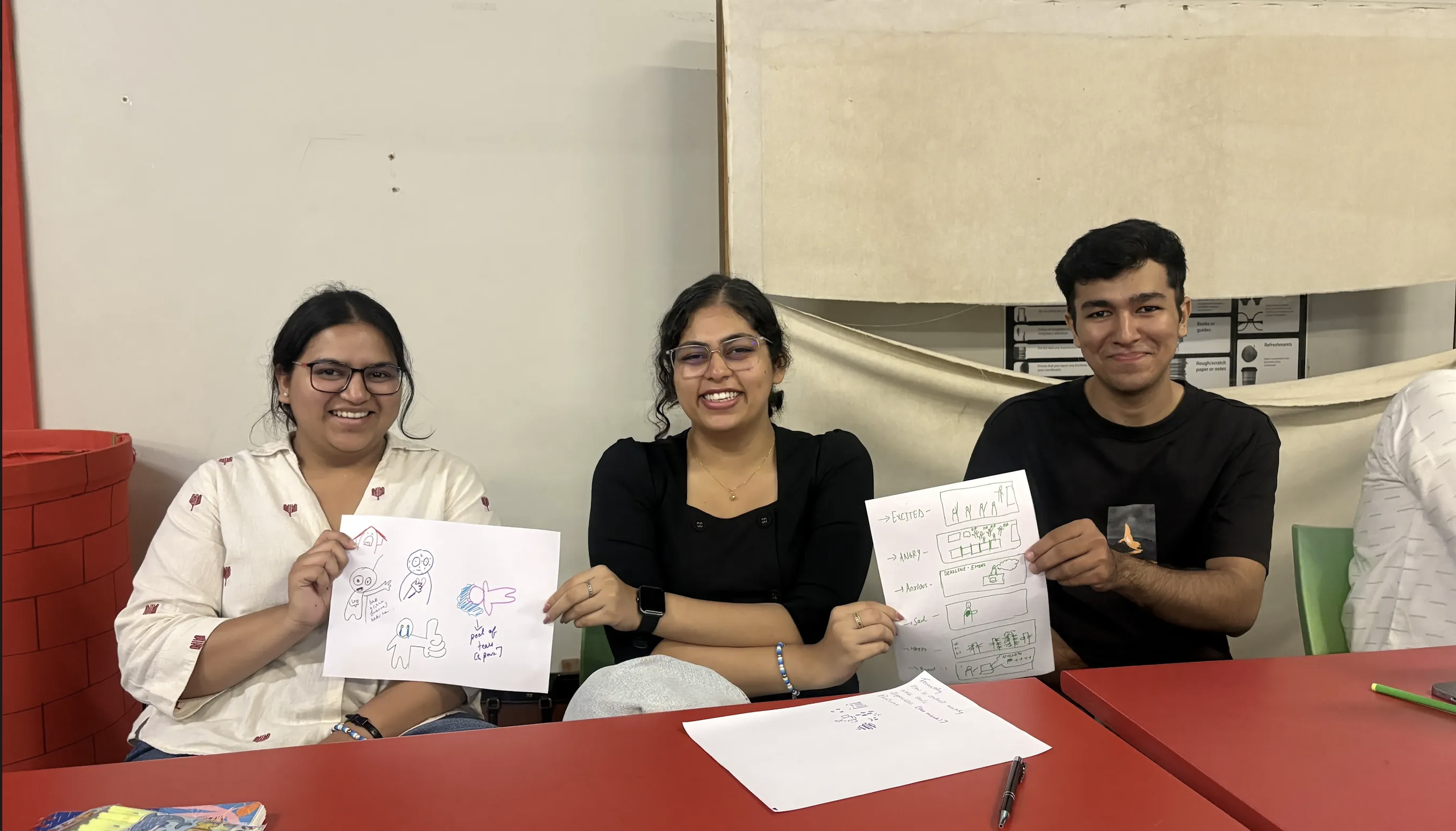
During the two days spent in Life class, I learned about emotional intelligence and how it helps us understand and manage our emotions. One important concept I learned was the amygdala hijack, which happens when strong emotions such as anger or fear take control of our thinking and cause us to react without considering the consequences. I learned that taking a moment to pause, breathe, and think can help me respond calmly instead of reacting impulsively. The lessons also taught me the importance of self-awareness, empathy, active listening, and managing my emotions in a positive way. Overall, I learned good skills that can help me build better relationships, make wiser decisions, and handle challenging situations with confidence.

Two Days of Learning, Reflection and a Few Marshmallows!

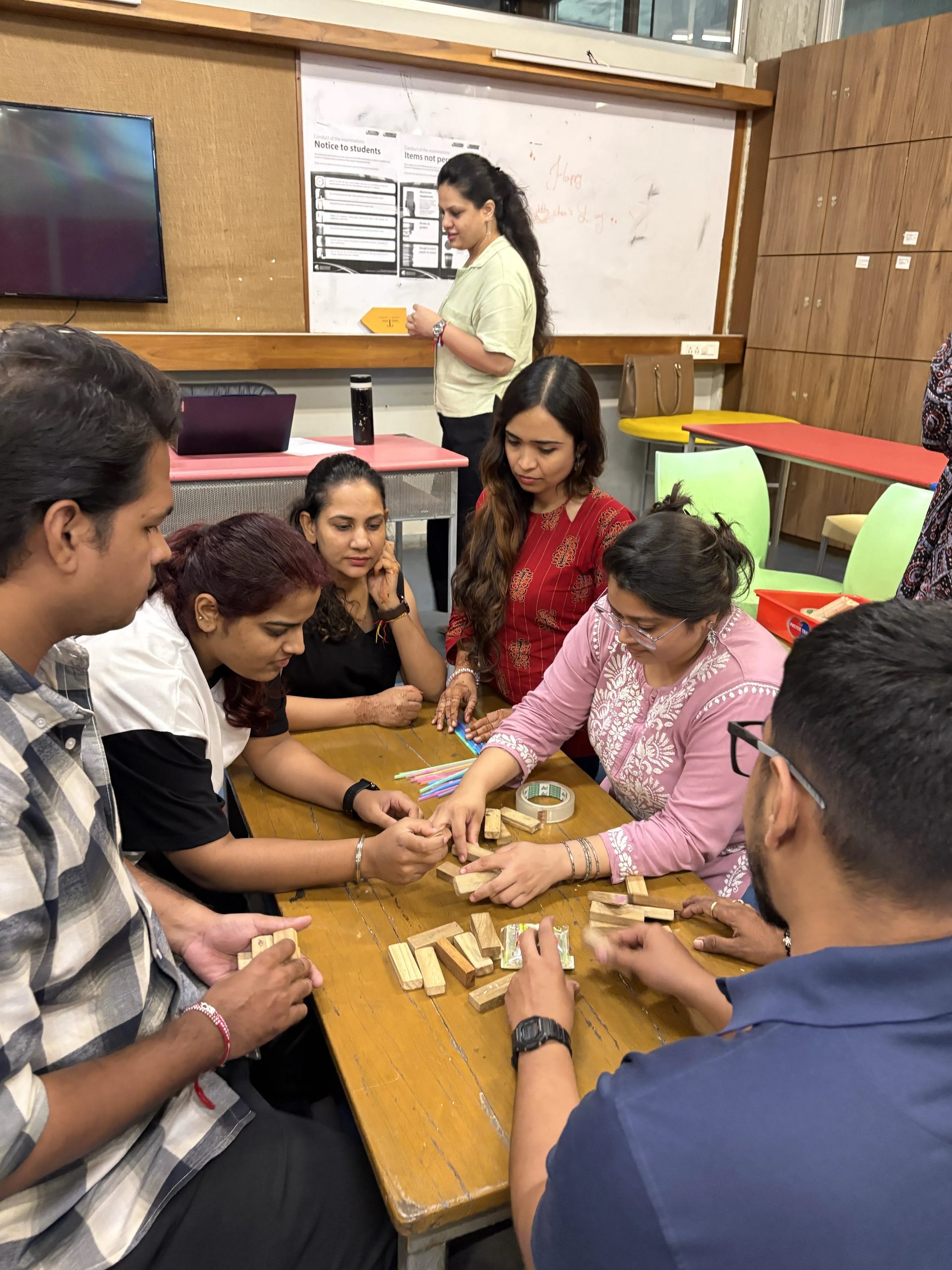
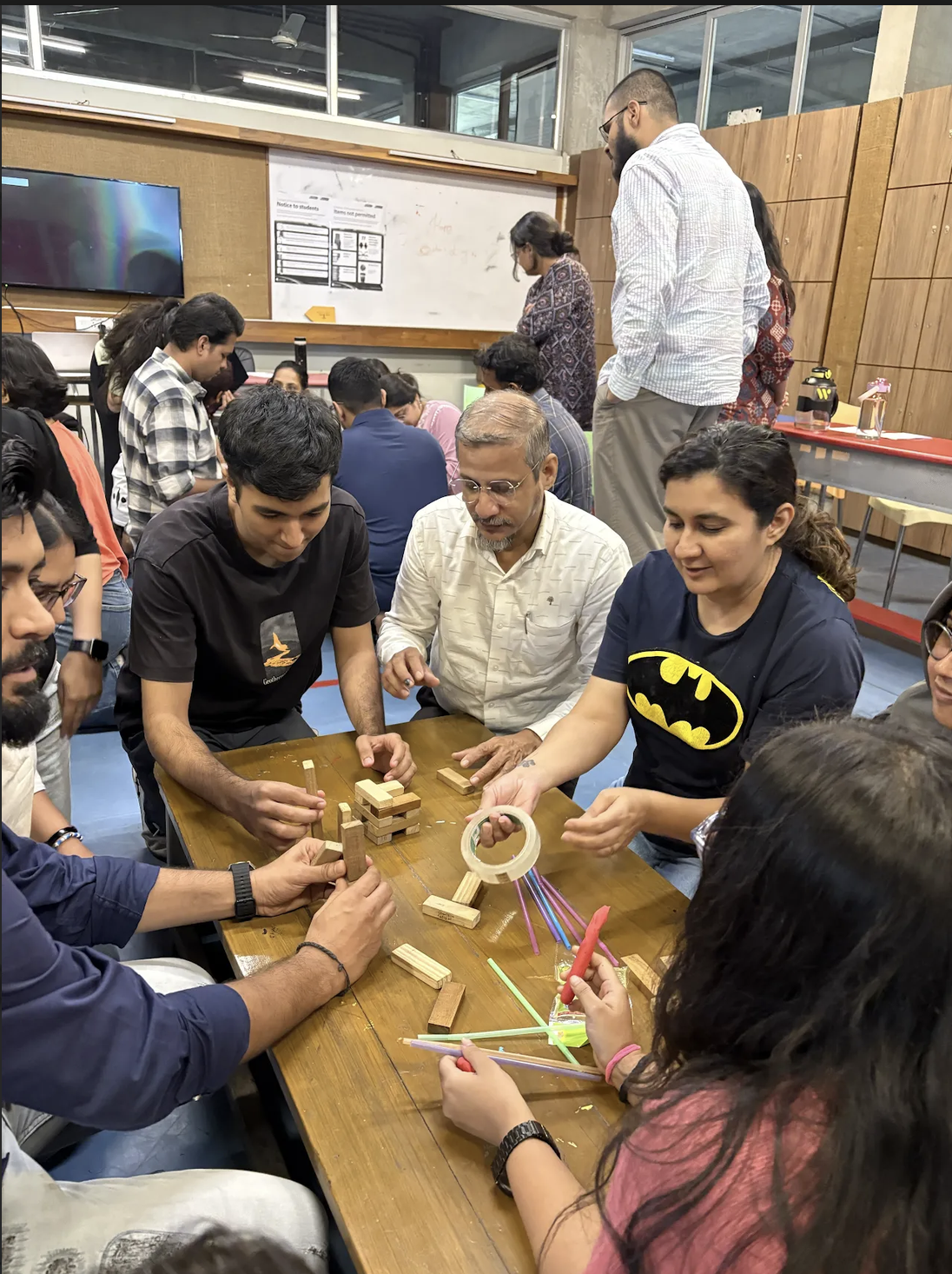
When I walked into our two-day Life Class session at school, I expected it to be a regular staff learning session. But by the end of it, I found myself reflecting not just on my work, but also on how I respond to situations in everyday life.

As a Senior School Process Coordinator, my work involves coordinating with teachers, students, parents and different teams. So, many of the concepts we discussed felt surprisingly close to my everyday experiences.

Leadership is more than a designation

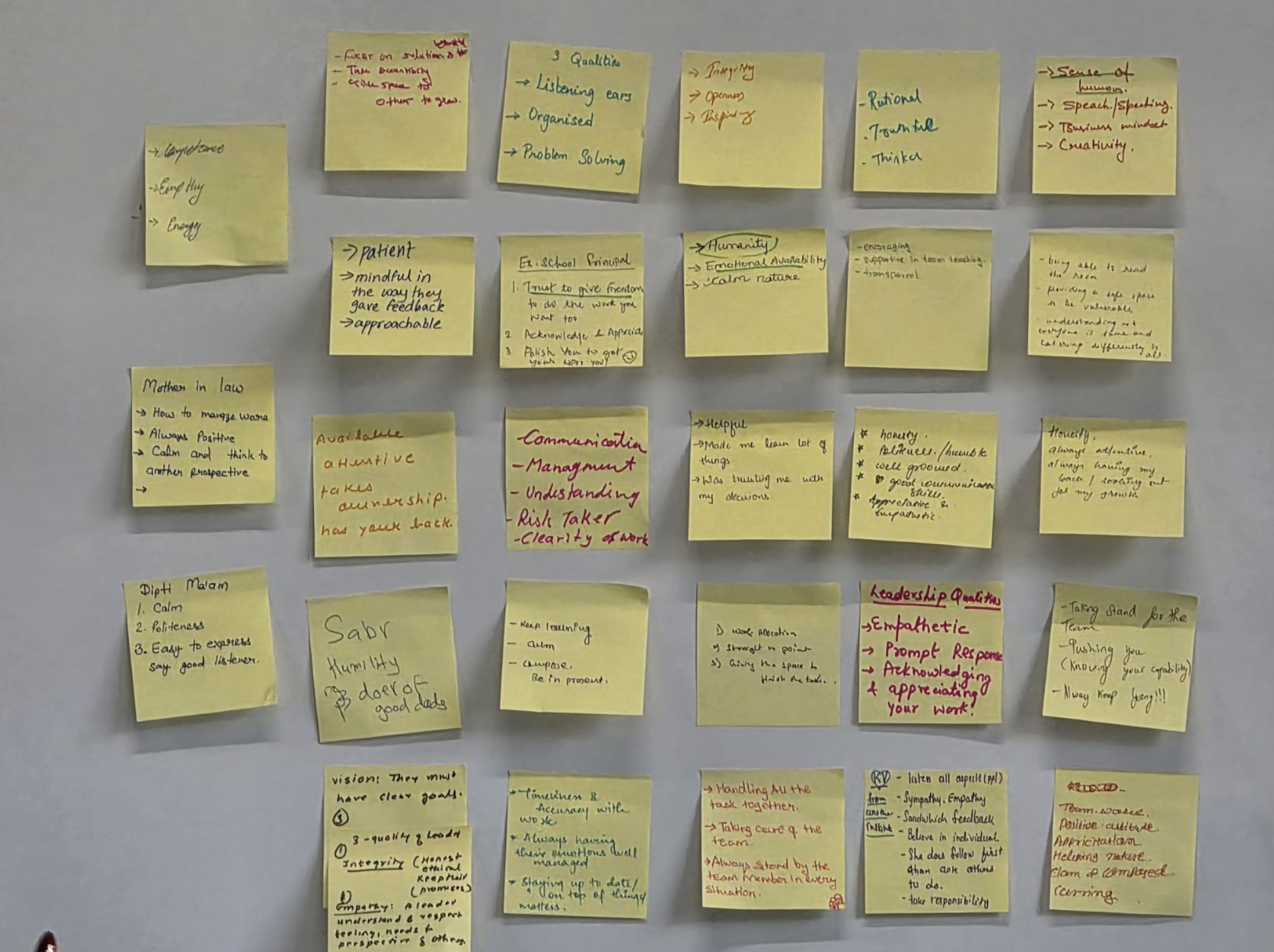
We began by exploring the qualities of a good leader. I realized that leadership isn’t only about giving directions or making decisions. It is also about listening, trusting others, taking responsibility and creating an environment where people feel comfortable sharing their ideas.

Sometimes, instead of thinking “I’ll just do it myself; it will be faster,” good leadership means allowing someone else to take ownership.

Reaction vs Response

One concept that really stayed with me was the difference between a reaction and a response.

If a teacher misses a deadline or a parent sends a difficult email, my first instinct might be to react immediately. But there is a small space between what happens and what we do next.

Pause → Think → Respond.

That pause can change an entire conversation.

The Johari Window

The Johari Window made me think about feedback and our blind spots. Sometimes people may notice things about us that we don’t notice ourselves. I may think I am simply following up on a process, while someone else may experience it differently.

It reminded me that feedback isn’t necessarily criticism; sometimes it is a mirror.

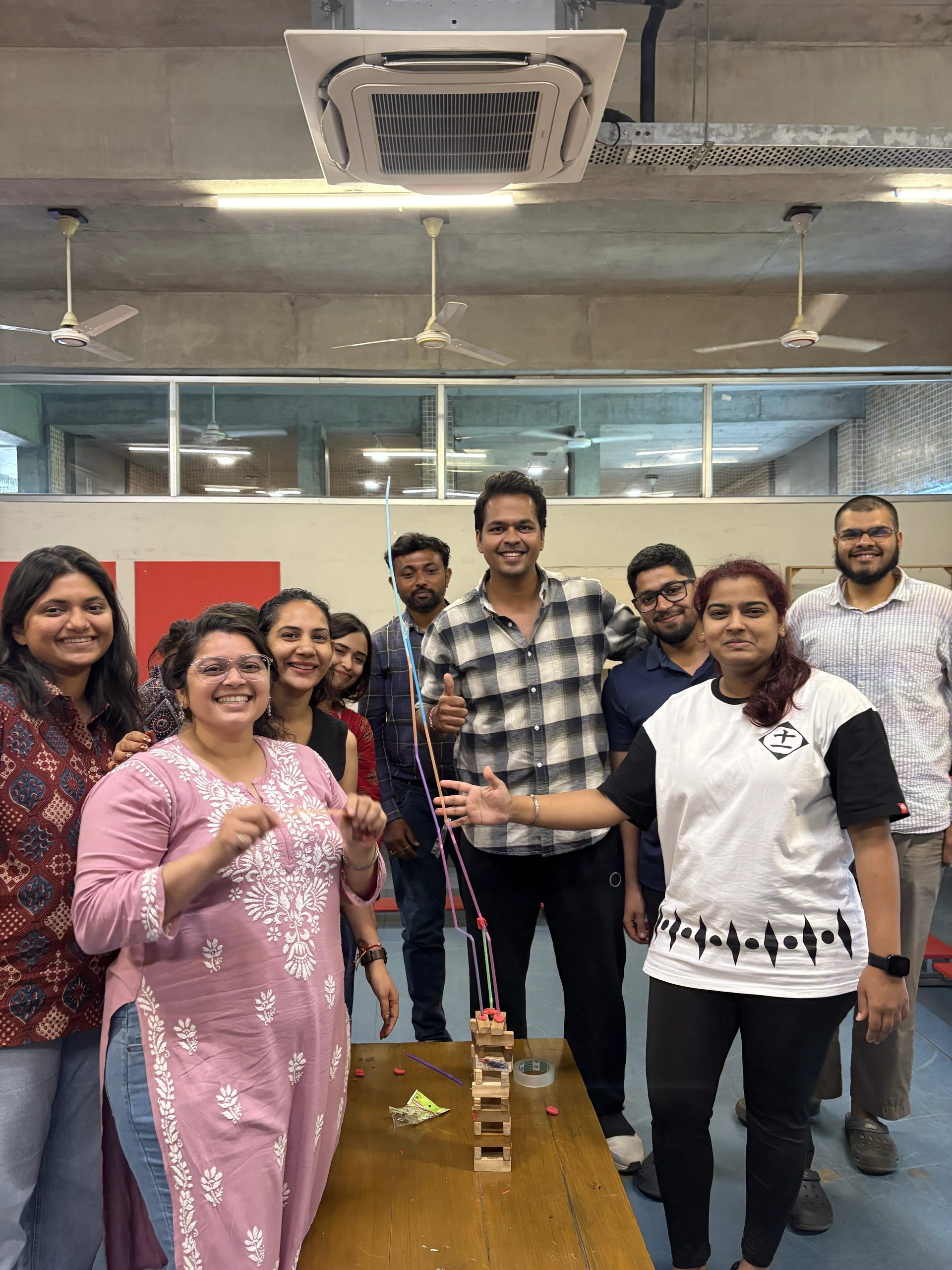
And then came the marshmallow! 🍡

The Marshmallow Test introduced us to delayed gratification and impulse control.

It made me think about how many “marshmallows” we have at work. Sometimes doing a task myself is the easiest immediate option, but trusting someone else with it may lead to better long-term growth. Sometimes replying immediately feels satisfying, but taking a moment to think can lead to a much better response.

Psychological safety and critical thinking

We also discussed psychological safety — creating a workplace where people feel safe to ask questions, admit mistakes, disagree and share ideas without fear of judgment.

And critical thinking reminded me not to accept things simply because “this is how we’ve always done it.” In my role, it means asking: Why do we follow this process? Can it be improved? Is there a better way?

What I took away

These two days reminded me that professional growth isn’t always about learning another process or skill. Sometimes, it is about becoming more aware of how we think, communicate and respond.

From leadership to the Johari Window, from psychological safety to those two little marshmallows, my biggest takeaway was simple:

We may not always control what happens, but we can control what we do next.
My experience of navigating the contours of Emotional Intelligence .

It seldom happens that we take time out of our hectic schedules to reflect on our emotions and those of others and how we can navigate them more effectively. My two days at Life Classes were exactly that. My two days of these classes were just a reflection of the same . I feel what happened was i got to know myself so much better . Through the Johari Window, case studies, and thoughtful videos, I got to know myself so much better. Kudos to my facilitators Arshi ma’am and Bhumika ma’am for holding that space so beautifully. Emotional inteliigence is being able to regulate your emotions , responding in place of reaction and the abilty to be empathetic enough to understand those of others as well . Various activities were undertaken to make me reflect on the same , though it sounds too good to believe I did go in the self reflection spiral to know myself better , i did remember the following next week of being filled with responses than with reaction though a consistent awareness is needed to embibe it in our daily like and my upcoming time at school will be filled with conistent efforts to do the same . One concept that fundamentally shifted something in me was the amygdala hijack that moment when our brain’s emotional alarm system fires before our rational mind even has a chance to respond. Understanding this changed how I see my own reactions. It wasn’t always weakness. Sometimes it was just biology. But awareness creates a pause and in that pause lives emotional intelligence.Emotional intelligence is not about suppressing what you feel. It is about regulating it. Responding where you once only reacted. Being empathetic enough to hold space for what others feel too. The week after, I noticed myself pausing more, choosing words carefully, listening before speaking.The concept of psychological safety stayed with me the most. I am not a leader but if I can create even a fraction of that safety for a colleague or a student, that feels like more than enough.

Johari window

What I Learned About Myself Today

Today, we had an Emotional Intelligence class, and one thing that really caught my attention was the Johari Window.

The Johari Window is a simple way to understand ourselves and how other people see us. It has four areas:

1. Arena (Open Area) – Things that I know about myself and others also know about me.

2. Blind Spot – Things that others know or notice about me, but I may not notice about myself.

3. Facade – Things that I know about myself but don’t share with others.

4. Unknown – Things that neither I nor others know about me. These are things that we may discover with new experiences in life.

While learning about these four areas, I started thinking about myself. It made me realise that there are things about me that I may not be aware of and some things that I keep to myself.

The Blind Spot made me think the most. Sometimes, we don’t realise how our actions or words are seen by others. Their feedback can help us understand ourselves better.

The Johari Window gave me a better understanding of myself and also showed me the areas where I can improve.

I came out of the class with one simple thought: knowing yourself is not just about knowing your strengths and weaknesses; it is also about being open to discovering new things about yourself.

And I think that is what I really liked about today’s class—it made me pause, think, and look a little deeper within myself.

Life class Year 2 alpha batch

This year, the theme of our Life Class has been People Skills and Emotional Intelligence, and it has been a wonderful journey of learning, reflection, and personal growth.Bhumika Ma’am and Arshi Ma’am have guided us through a series of meaningful discussions and activities that have encouraged us to look beyond academic success and understand the importance of how we interact with ourselves and others.Throughout this journey, we explored fascinating concepts such as amygdala hijacking, the qualities of a good leader, psychological safety, reaction versus response, and the Johari Window. Each of these topics offered valuable insights into human behaviour, relationships, and leadership.My Learning and ReflectionOne of my biggest takeaways from these sessions has been understanding that emotional intelligence is not about ignoring emotions, but about recognising and managing them effectively. Learning about amygdala hijacking helped me understand why people sometimes react impulsively when they feel stressed, frustrated, or threatened. It made me reflect on my own responses and the importance of pausing before reacting.The discussion on reaction versus response was particularly meaningful to me. It reminded me that while I may not always be able to control what happens around me, I can choose how I respond. This is something I hope to practise more consciously in my personal and professional life, especially during moments of disagreement or pressure.The concept of psychological safety also made me reflect on the kind of environment I create for the people around me. I realised that making others feel safe is not just about being approachable; it is also about listening without judgement, respecting different perspectives, and allowing people to express themselves without fear of embarrassment.The Johari Window encouraged me to think more deeply about self-awareness and the importance of feedback. It reminded me that there may be aspects of my personality or behaviour that I do not always recognise, but that others may notice. Being open to feedback, therefore, is an important part of personal growth.The discussions on leadership and how leaders can act as mirrors also made me reflect on my own role as an educator. I realised that leadership is not only about giving instructions or guiding others; it is also about modelling the behaviour, values, and attitudes I hope to see in the people around me. The way I communicate, respond to challenges, and treat others can have a lasting influence.Overall, these sessions have encouraged me to become more mindful of my emotions, more empathetic towards others, and more intentional in the way I communicate. They have reminded me that people skills are not simply concepts to be discussed in a classroom, but skills that need to be practised every day.As I continue to grow both personally and professionally, I hope to carry these lessons with me and become a more self-aware, compassionate, and emotionally intelligent individual.A heartfelt thank you to Bhumika Ma’am and Arshi Ma’am for making our Life Class such a meaningful and enriching experience.

Thoughts on people management year 2

I am one of those people who chose this topic as opposed to my batch and my facilitators who got it involuntarily. I am someone who wants to grow in terms of my social skills and thought this would be beneficial for my growth, after sailing for the 1st 2 days, I was correct, these sessions truly proved to be full of insights, full of solving doubts that I had (creating a few more though) but I’m sure I’ll be able to navigate through them once again.

Obviously in understanding others, we first need to understand ourselves, not only emotionally but even be self aware, and through the Johari Window, that helped us know each others possible blindspots, the facade in our heads and made us mentalize.

I also was able to generalise that in order to grow yourself and others, stopping to think, evaluating other perspectives, and having delayed gratification most likely ensures us to grow as a community and not just personally, but that does require exercising our SABR muscle and that will definitely help us overcome our amygdala hijacks, and not make impulsive decisions that we may regret later, but rather decide emotionally intelligent responses. As emotions can’t be controlled, they can be managed.

my learnings of 2 days

During these two days of Life Class, I learned a lot about myself and the way I respond to different situations. One of the most important things I understood was the difference between reacting and responding. I realised that when I experience strong emotions like anger, frustration, or fear, I may sometimes react immediately without thinking about how my words or actions could affect others. Learning about the concept of amygdala hijack helped me understand why this happens. I learned that simply pausing, taking a breath, and giving myself a moment to think can help me respond in a calmer and more thoughtful way.I also learned what it truly means to be a team player. Being part of a team is not only about contributing my own ideas, but also about listening to others, understanding different perspectives, supporting my teammates, and working together towards a common goal. The activities and discussions helped me understand the importance of empathy, active listening, self-awareness, and emotional management.Overall, these two days made me reflect on how I handle my emotions and interact with the people around me. I feel that the skills I learned will help me become more patient, understanding, and responsible in my everyday life. Most importantly, I learned that I cannot always control what happens around me, but I can learn to control how I respond to it.

Life class year 2

Over the past two days in Life class, I had a very interesting and meaningful experience learning about emotional intelligence. Before these lessons, I did not fully understand how our emotions could affect the way we think and behave. One of the most memorable topics we discussed was the amygdala hijack. This happens when strong emotions such as anger, fear, or stress take control of our minds and cause us to react without thinking clearly. I realised that I have experienced this before, especially when I am upset or under pressure. However, I learned that taking a moment to pause, breathe deeply, and think before responding can help me stay calm and make better choices. We also learned about self-awareness, empathy, active listening, and the importance of expressing our feelings in a respectful way. These lessons helped me understand myself and other people better. I now know that emotional intelligence is important because it can help me solve problems, handle difficult situations, and build stronger relationships. Overall, the two days in Life class were valuable because I learned skills that I can use not only in school, but also in my everyday life.

1 … 8 9 10