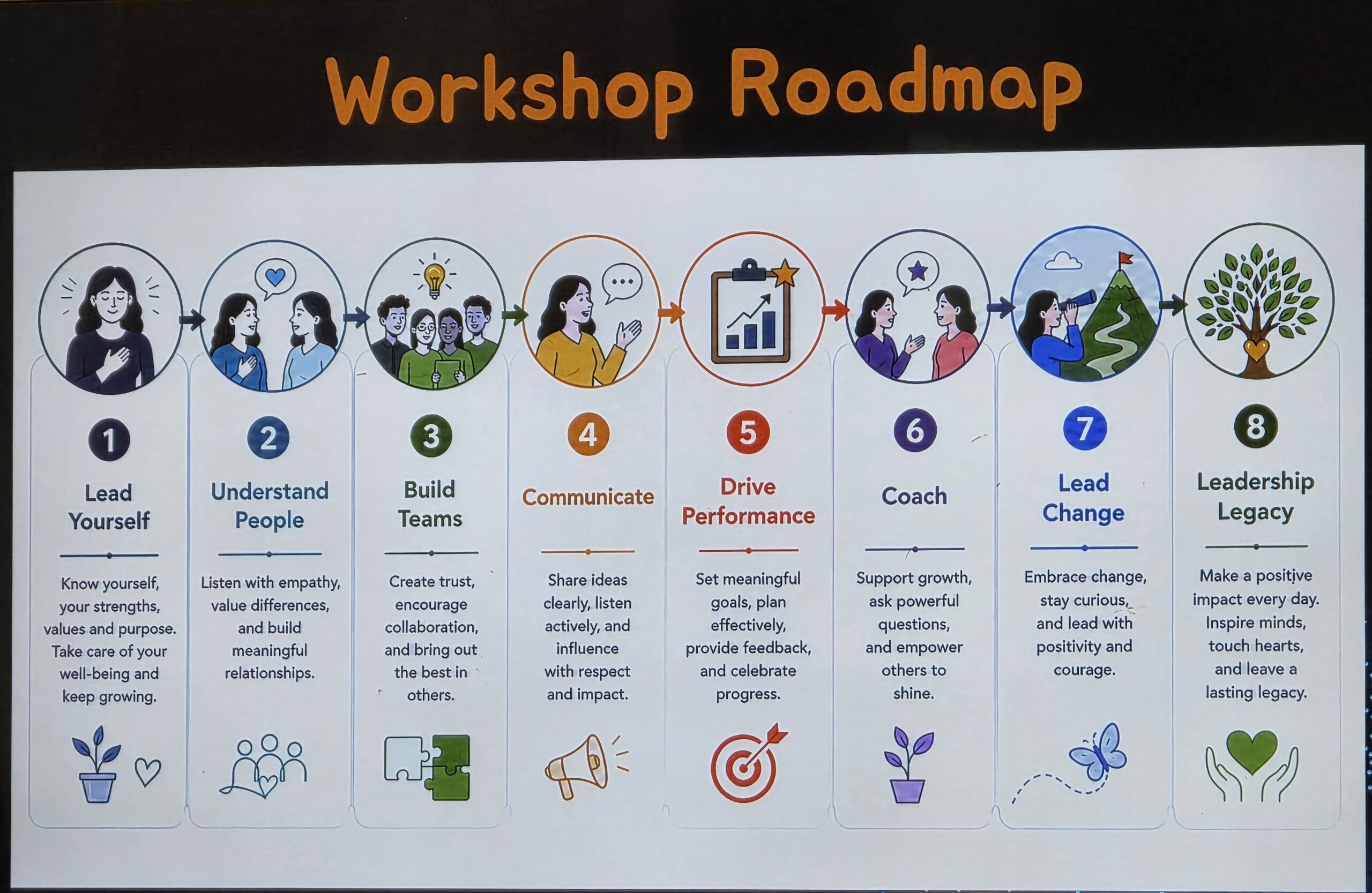
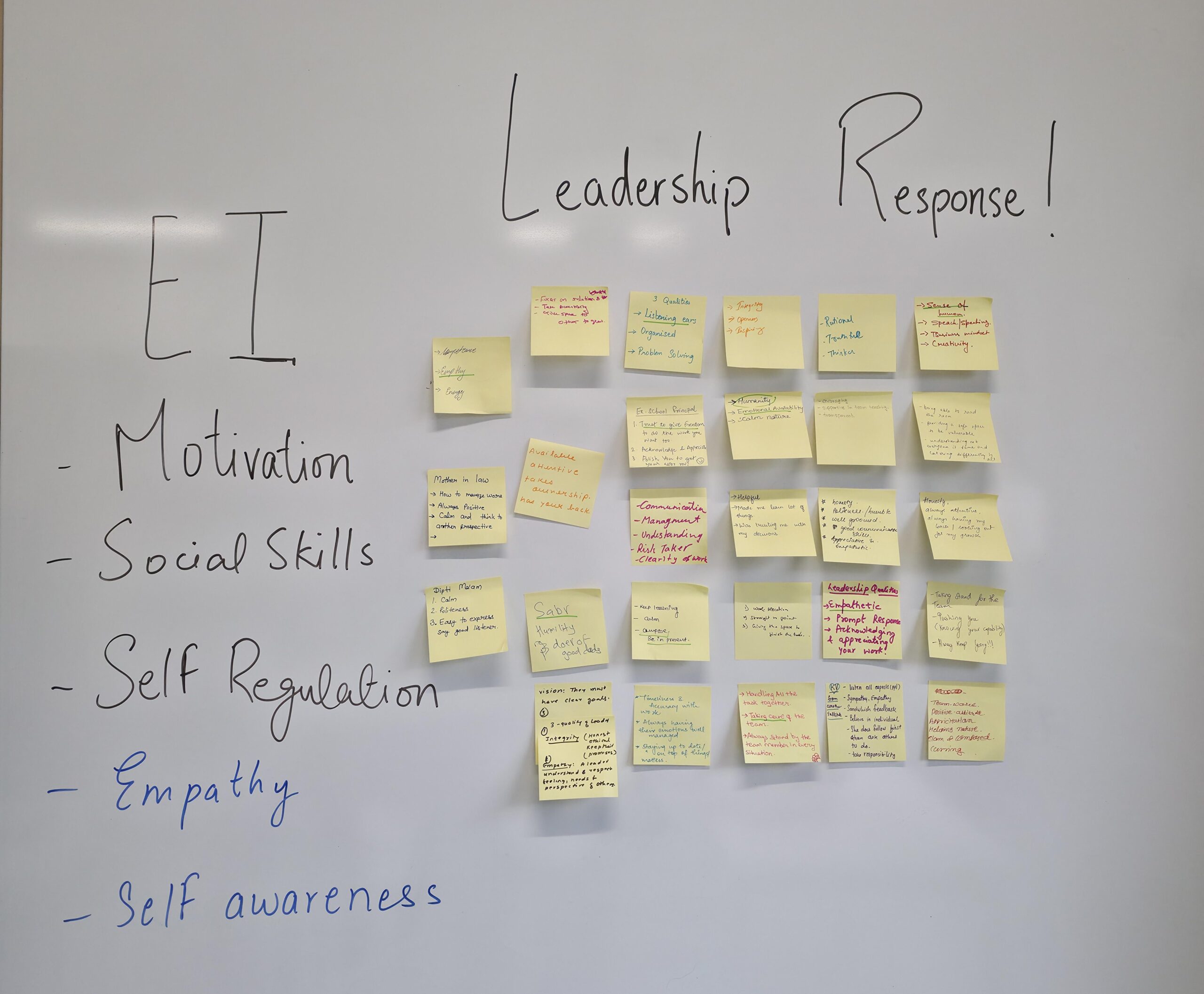
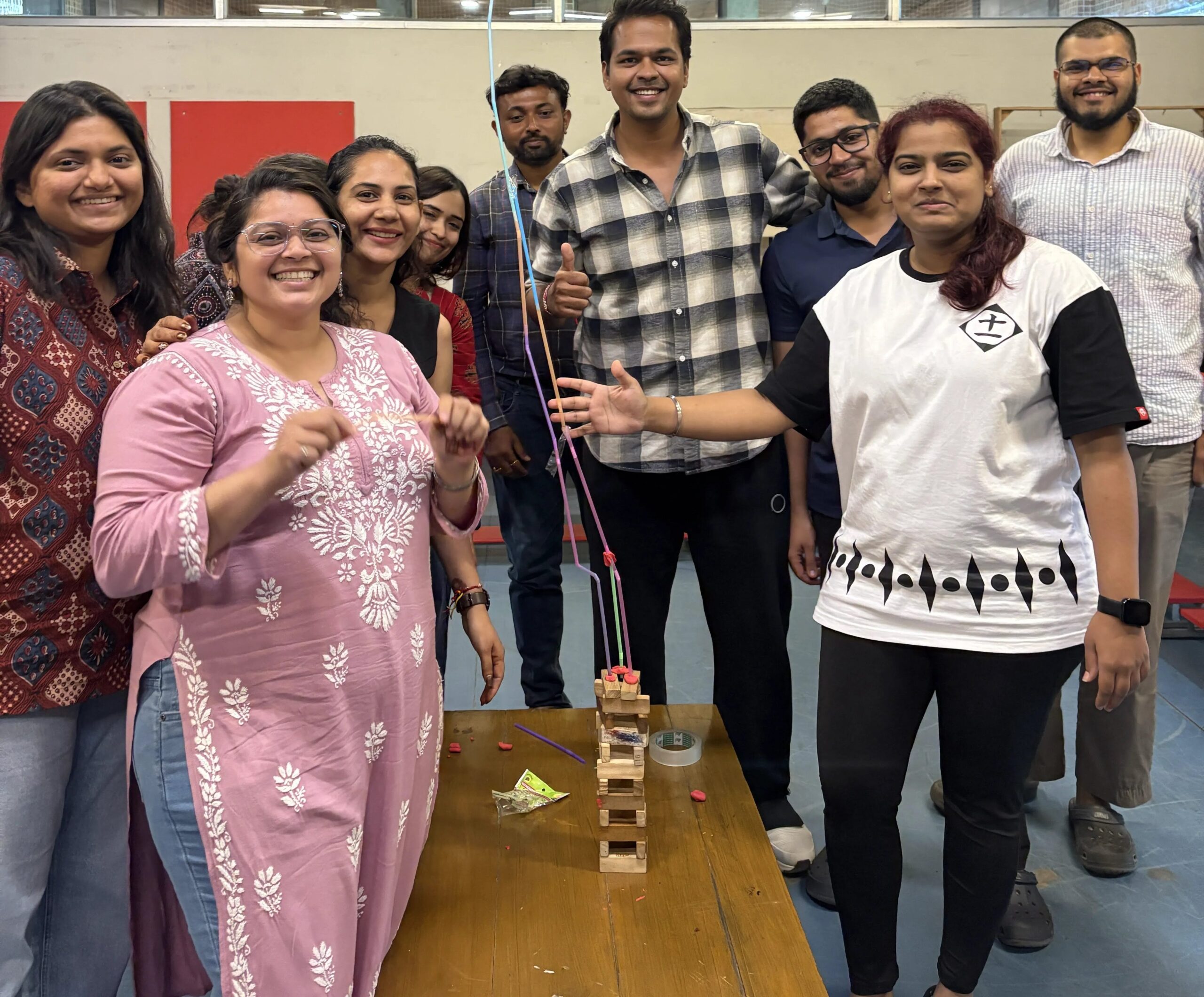
Life class Day 1 & 2.
Life Class Reflection: The Leader in Me
The two-day Life Class workshop on leadership and emotional intelligence gave me a chance to pause and look inward — something that rarely happens in the middle of a busy administrative routine. Working alongside teachers and HR colleagues, all learning together without our usual designations attached, made the sessions feel less like training and more like genuine reflection.
One of the biggest learnings for me was the distinction between reaction and response. Reaction is impulsive, driven by short-term emotion, and often shaped by whatever situation triggered it in the moment. Response, on the other hand, is thoughtful — anchored in values and built for long-term outcomes. Understanding the Amygdala Hijack made this click for me. I could immediately recall moments where I’ve felt wrongly blamed, unheard, or treated unfairly, and noticed how quickly those feelings can hijack a conversation before I’ve had a chance to think it through. Learning that this is a natural, almost automatic brain response — and not a character flaw — was oddly reassuring. It also made me realise that the six-second pause before reacting is a small but powerful tool I can actually practise.
The Leader’s Mirror exercise was where things got personal. We were asked to identify the behaviours that have made us successful, and then, just as importantly, to ask when that same behaviour might work against us. As someone from administration, I often see myself as the one who ensures things run on time, completes work as expected, and helps others when needed. But this exercise made me realise that my dedication to completing tasks perfectly can tip into over-dedication — not prioritising within a timeline, or not delegating simply because it feels faster to do it myself. Being the best at doing something is not the same as being the best at enabling others to do it. That line stayed with me long after the session ended.
The Johari Window gave structure to this self-reflection. Mapping what I know about myself, what others see that I don’t, what I keep private, and what remains undiscovered helped me understand why feedback can feel so uncomfortable — and so necessary. It reminded me that my blind spots aren’t failures; they’re simply areas I haven’t yet opened up to honest input. I want to get more comfortable asking colleagues directly, “What’s something about how I work that I might not see?” rather than waiting for feedback to arrive on its own.
We also spent time on giving feedback using the SBI model — Situation, Behaviour, Impact. Keeping feedback factual, rather than personal, is something I know matters, especially in an administrative role where I often have to communicate expectations across departments. Framing feedback around what happened and what impact it had, instead of judging the person, feels like a much more respectful and effective way to have those conversations.
More than any single concept, these two days reminded me that people management — even from behind the scenes in administration — begins with self-management. The systems and processes I coordinate every day run only as well as the relationships behind them, and those relationships depend on how aware I am of my own responses, blind spots, and habits.
My biggest takeaway from the workshop is simple: pause before reacting, stay open to what I don’t see about myself, and give feedback that focuses on the situation, not the person. It’s a small shift in practice, but I hope to carry it into the everyday moments of my role — because leadership in administration isn’t about visibility, it’s about the quiet consistency of how we show up for the people around us.