Life Class – The Journey Continues: From Self-Awareness to People Management
The journey of the Life Class workshop continued for another two days, and this time the focus moved beyond self-reflection towards motivation, relationships, people management, and leadership. If the first two days encouraged us to look within, Days 3 and 4 challenged us to look outward—to understand the people around us and the impact we have on them. What made these two days particularly meaningful was the variety of experiences. There were moments of silence, movement, discussion, movies, creativity, and reflection. Each activity offered a different way of looking at ourselves and our relationships with others.
Day 3: Slowing Down to Understand
Day 3 began with a mindful walk. Something as simple as walking became an opportunity to slow down and become more aware of our surroundings, our thoughts, and our own presence. In our professional lives, we are often moving from one responsibility to another without giving ourselves the opportunity to pause. The mindful walk reminded me that sometimes awareness begins simply by slowing down.
The discussion then moved towards motivation—intrinsic and extrinsic. This made me reflect on what actually drives people to perform.Is it recognition, appreciation, rewards, deadlines and expectations? Or does the motivation come from within—the satisfaction of doing meaningful work, learning something new, taking ownership, or making a difference?As someone working in administration, this distinction felt particularly relevant. People cannot always be motivated by the same things. Understanding what drives an individual may be more effective than assuming that one approach will work for everyone.
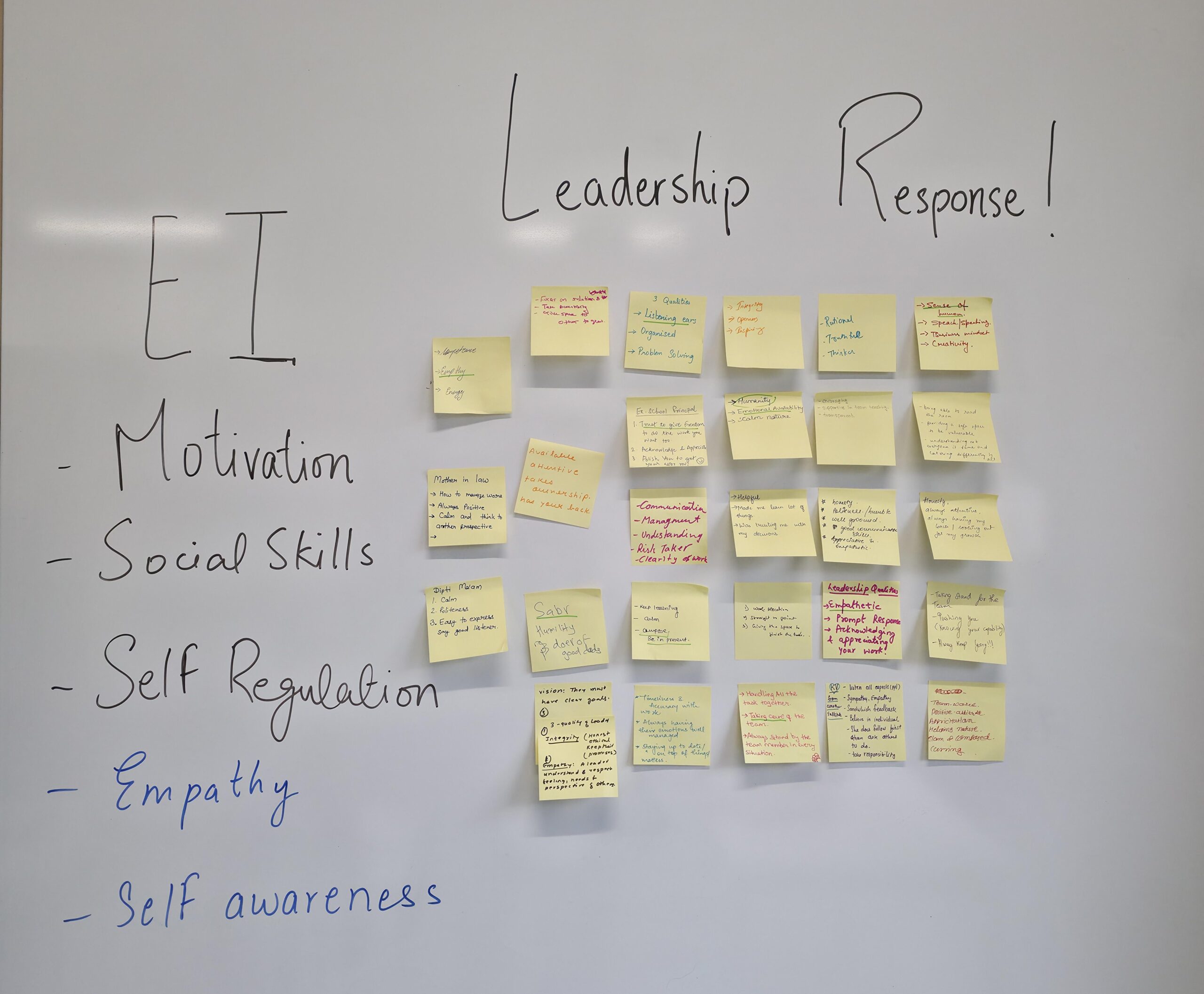
The discussion around manager and colleague responses further reinforced this idea. The same situation can generate very different responses depending on whether we approach it as a manager, a colleague, or simply as another member of the team.
Perhaps good people management begins with asking:“What does this person need from me in this situation?”rather than immediately asking,“What do I need this person to do?”
Day 4: From Managing People to Understanding People
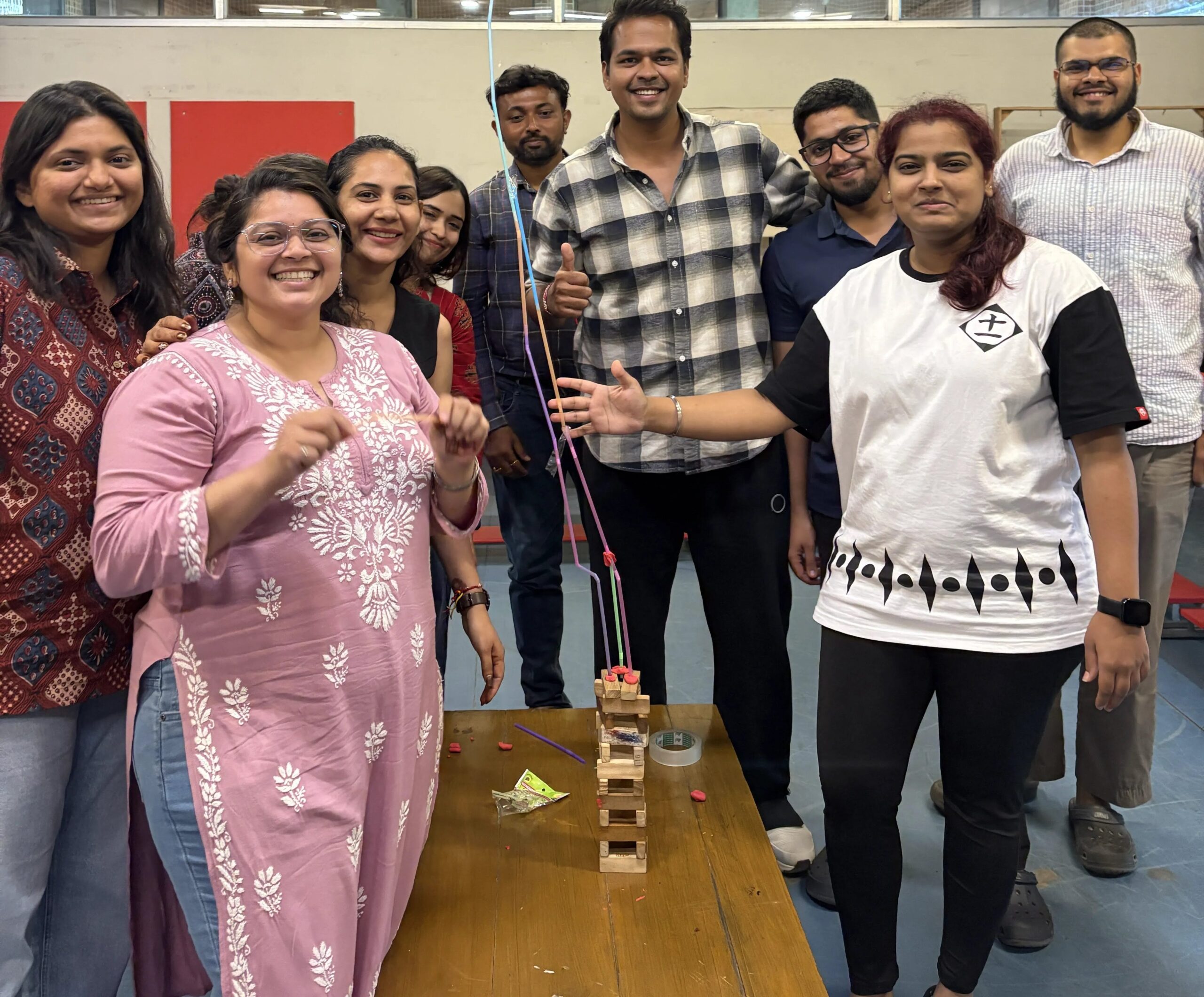
Day 4 began with guided meditation, creating a calm transition into another day of learning. It was a reminder that managing others effectively also requires managing our own thoughts, emotions, and responses.The people-management activity that followed brought the learning into a more practical space. It encouraged us to think about individual differences, expectations, communication styles, and the ways in which our actions influence others.
One of the most engaging experiences of the day was watching Mission Mangal. The movie became more than entertainment; it provided an opportunity to reflect on leadership, teamwork, resilience, diversity of thought, and the importance of believing in people.The subsequent discussion was particularly insightful because different participants brought different perspectives to the same situations. It reinforced the idea that leadership is not always about having all the answers; sometimes it is about creating an environment where people can contribute their answers.
Mirror or Window?
The Mirror or Window discussion offered another powerful perspective.Sometimes we look at ourselves through the mirror—examining our own behaviour, intentions, strengths, and limitations. At other times, we need to look through the window—to understand what others are experiencing, thinking, or feeling. For people managers, both are necessary. A leader who only looks in the mirror may become too focused on the self. A leader who only looks through the window may lose awareness of their own impact. Effective leadership requires both:
Look in the mirror to understand yourself.
Look through the window to understand others.
The discussion around “Gifts and Hooks” made me reflect on the qualities we bring to our relationships with people. Everyone has strengths—our gifts. But sometimes the same strengths can become our hooks. A quality that makes us effective in one situation may create difficulty in another if it is overused or applied without sensitivity. This connected naturally with the discussion on the shift from being a team member or leader to becoming a great people manager.
Being responsible for a team is not simply about allocating work, monitoring progress, or ensuring that tasks are completed. People management requires a different level of awareness. It requires understanding individuals, recognising potential, communicating effectively, giving space, providing support, and sometimes simply listening. The shift is therefore not merely from doing work to getting work done. It is from managing tasks to enabling people.
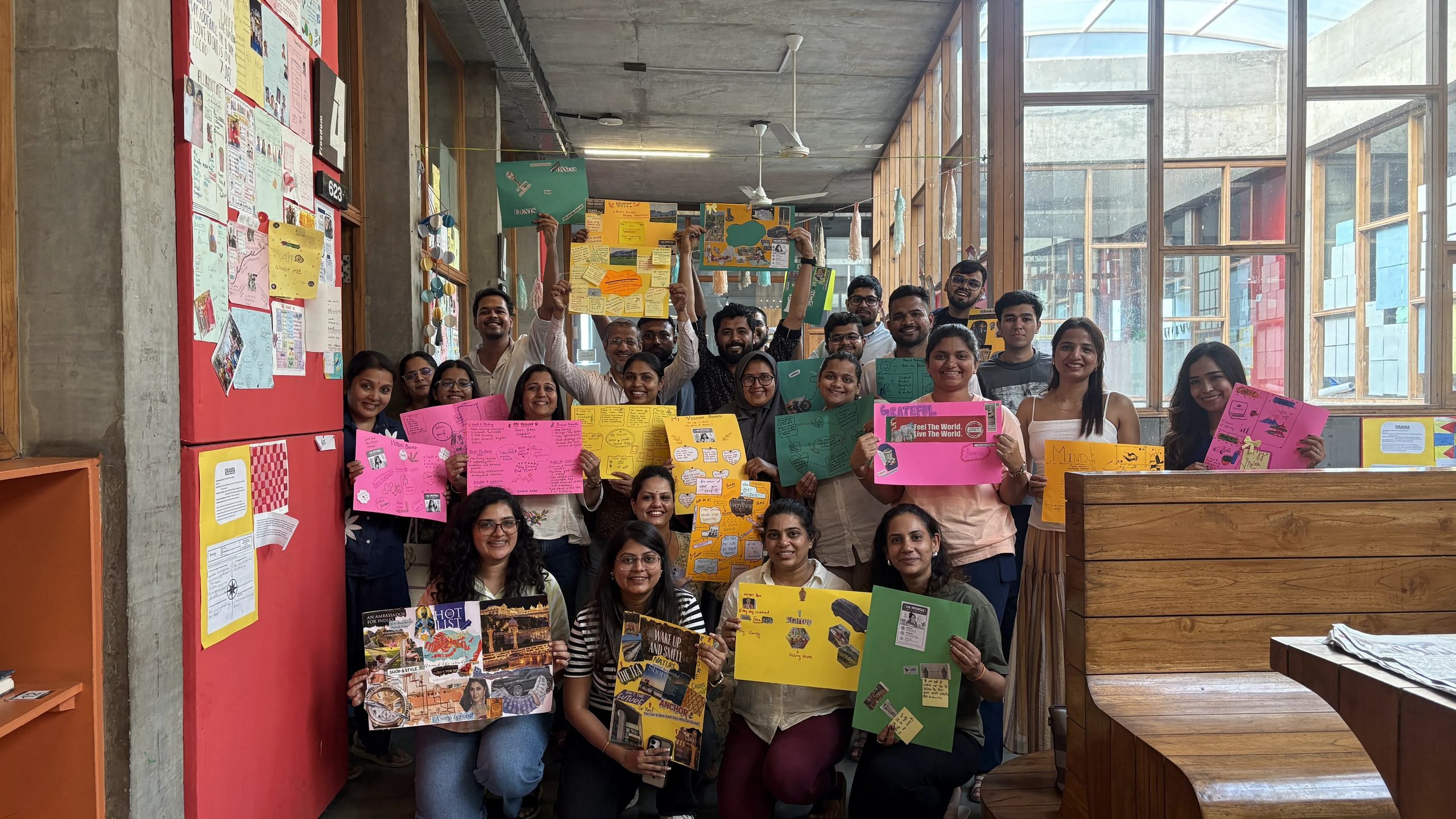
The workshop concluded with one of the most creative and personal activities—creating a vision board for ourselves. After four days of discussions around leadership, relationships, motivation, self-awareness, and people management, ending with something so personal was meaningful. The vision board encouraged us to think beyond our immediate professional responsibilities and ask ourselves:
Where do I want to go?
What do I want to become?
What do I want to learn?
What kind of person and professional do I want to be?
Putting these thoughts into a visual form made the exercise engaging, but also surprisingly reflective.
Four Days, Many Windows
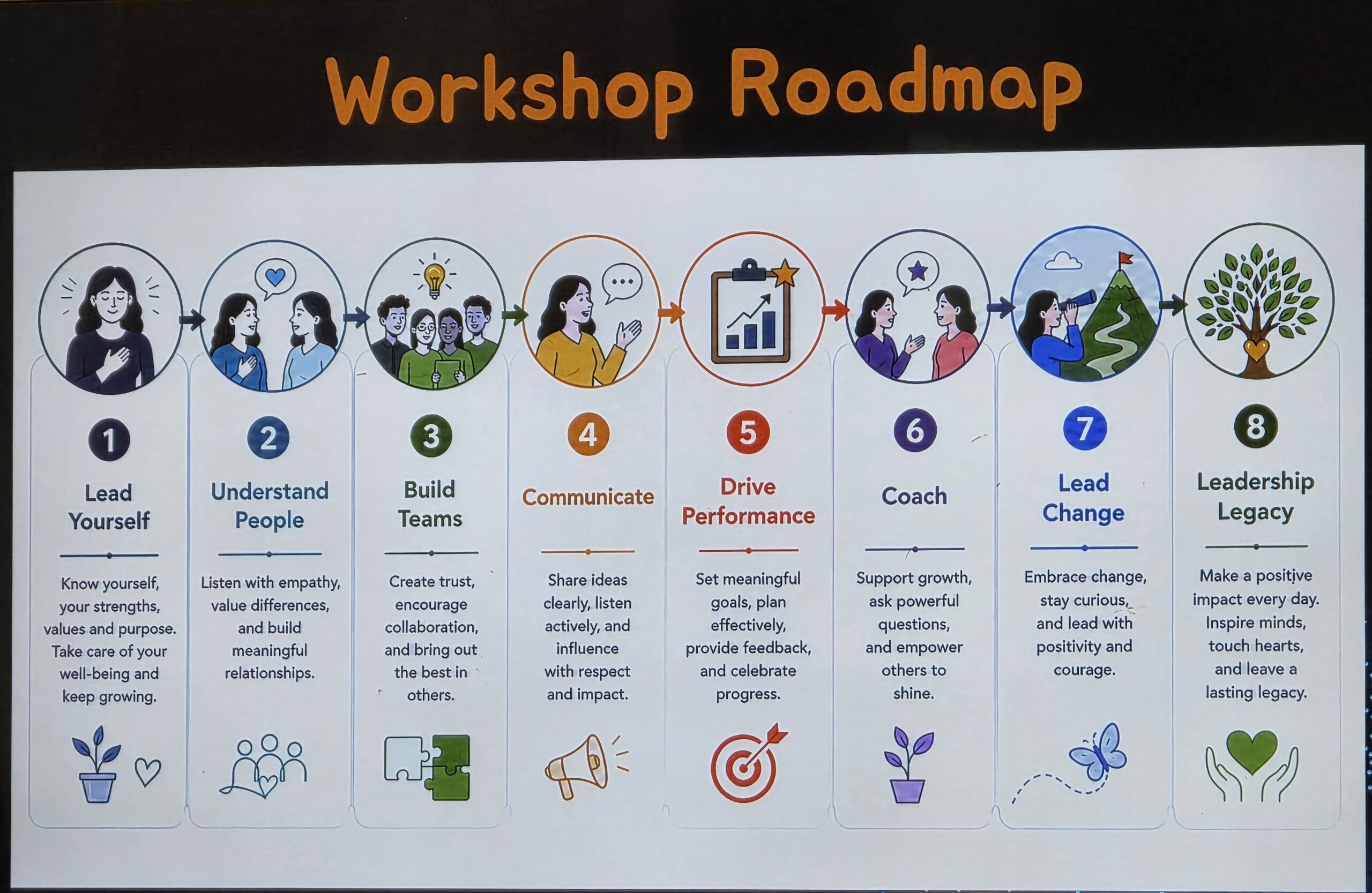
Across these four days, the workshop gradually moved from self-awareness to people-awareness and finally towards purposeful leadership. The biggest takeaway for me was that leadership is not a destination attached to a designation. It is an ongoing process of understanding ourselves, understanding others, and continuously adjusting the way we respond. Perhaps the most important lesson is that
People management begins with People not Processes.
And before we can truly manage people, we need to learn to pause, observe, listen, reflect, and understand. The four days did not provide a formula for becoming a better leader. Instead, they provided something more valuable—a collection of mirrors, windows, questions, and experiences that encourage us to keep working on ourselves.