Book Club_2026: Day 1 & 2

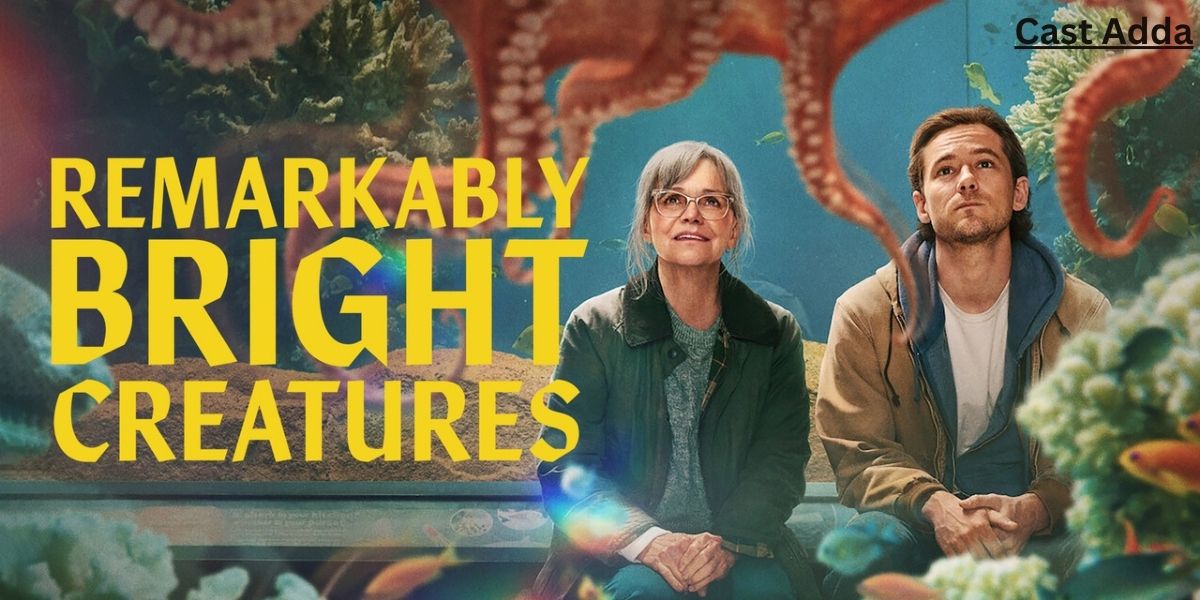
Being part of the Book Club this year has been a refreshing experience, not just because it gave me time to read, but because it gave me the opportunity to pause, reflect, and look at familiar ideas from a different perspective. In the middle of busy school days, Life Classes have created a small space where we can step away from our usual roles and simply be learners, readers, viewers, and people. Reading Before the Coffee Gets Cold, along with watching Remarkably Bright Creatures and The Lake House, unexpectedly brought together three very different stories through a common thread: time, relationships, missed opportunities, and the importance of appreciating the present.

The first two chapters of Before the Coffee Gets Cold made me think about how often we wish we could go back—to say something we left unsaid, change a decision, or spend a little more time with someone. Yet the story gently reminds us that going back does not necessarily change the past. What we can change is how we understand it and what we choose to do in the present. This made me reflect on how easily we become caught up in what has already happened or what is yet to happen, while forgetting that the present moment is the only one we can truly act upon.

Remarkably Bright Creatures brought a different but equally powerful perspective on relationships, loneliness, grief, and unexpected connections. What stayed with me was the idea that meaningful relationships can emerge in the most unexpected ways and that people often carry stories and struggles that we may never see on the surface. It reminded me to be more curious about people, more patient with them, and less quick to make assumptions.

The Lake House added another dimension to the idea of connection across time. The relationship in the film made me think about how people can find each other even when circumstances, distance, or time seem to stand in the way. Together, the three stories made me realise that perhaps the real connection is not simply about time travel or waiting for the right moment—it is about human connection and the choices we make with the moments we are given.

My biggest takeaway from these experiences is to notice the people and moments that are already around me. I want to carry forward the habit of slowing down, listening more deeply, expressing things before it is too late, and appreciating ordinary moments instead of constantly waiting for extraordinary ones. I also realised that stories have a unique way of making us reflect without directly telling us what to think.

The Book Club has therefore become more than just a reading space for me. It has been a space for conversation, curiosity, reflection, and a little escape from the everyday routine. I am looking forward to the future Life Classes and the stories, films, conversations, and perspectives they will bring. More than anything, I hope these sessions continue to give us permission to pause, reconnect with ourselves and each other, and leave with something meaningful to carry into our lives beyond the classroom.
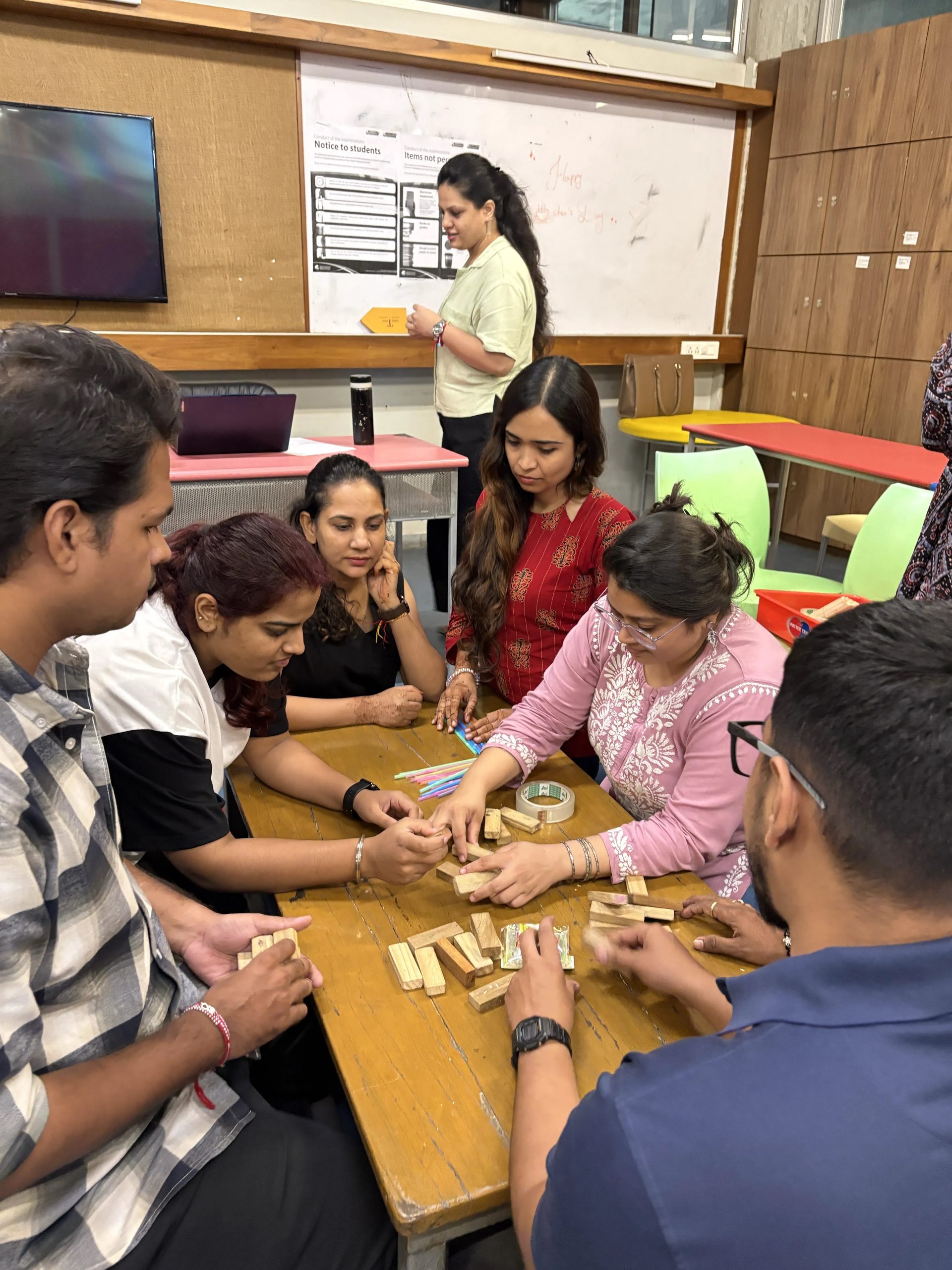
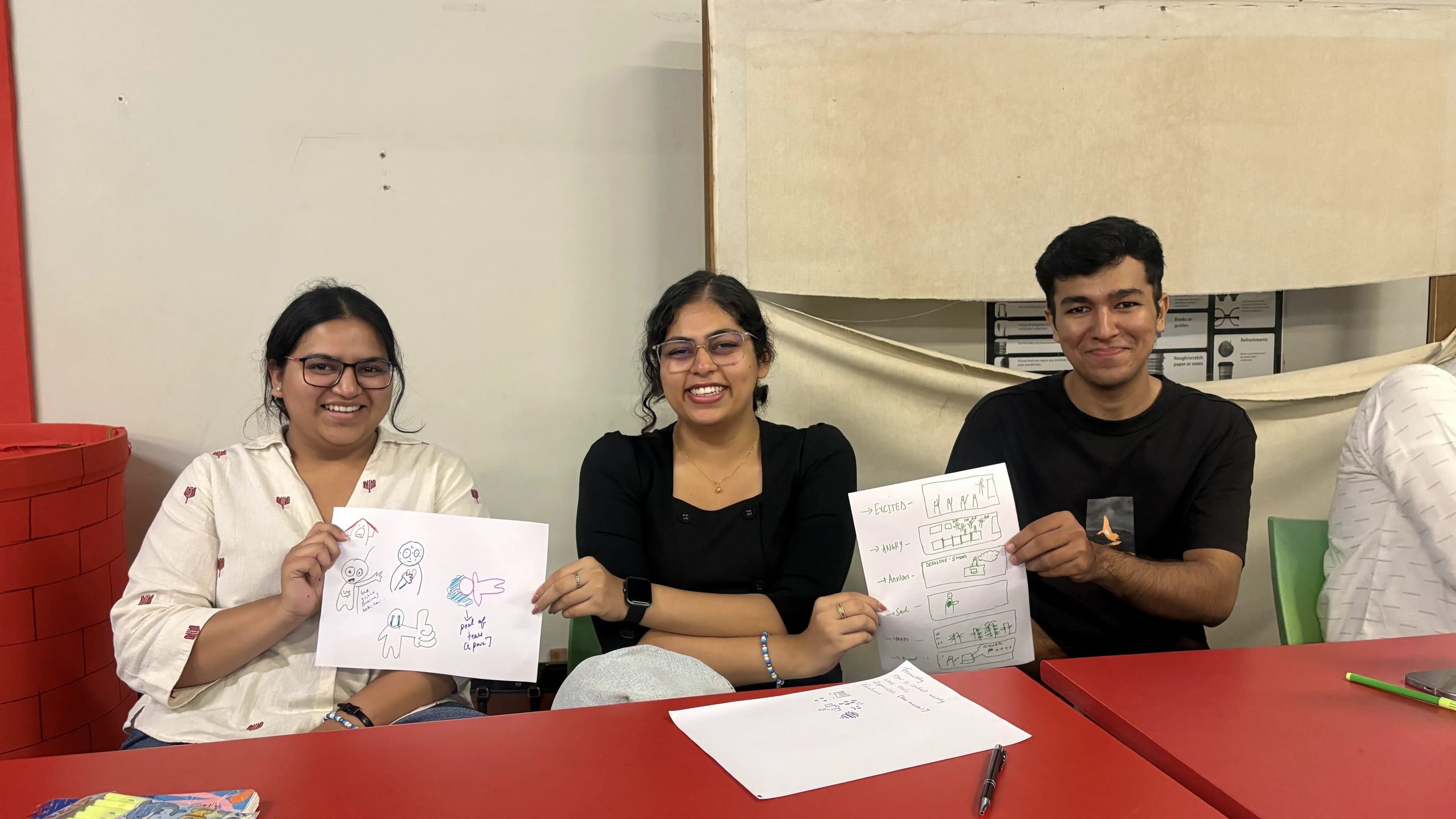
Life class Year 2 alpha batch

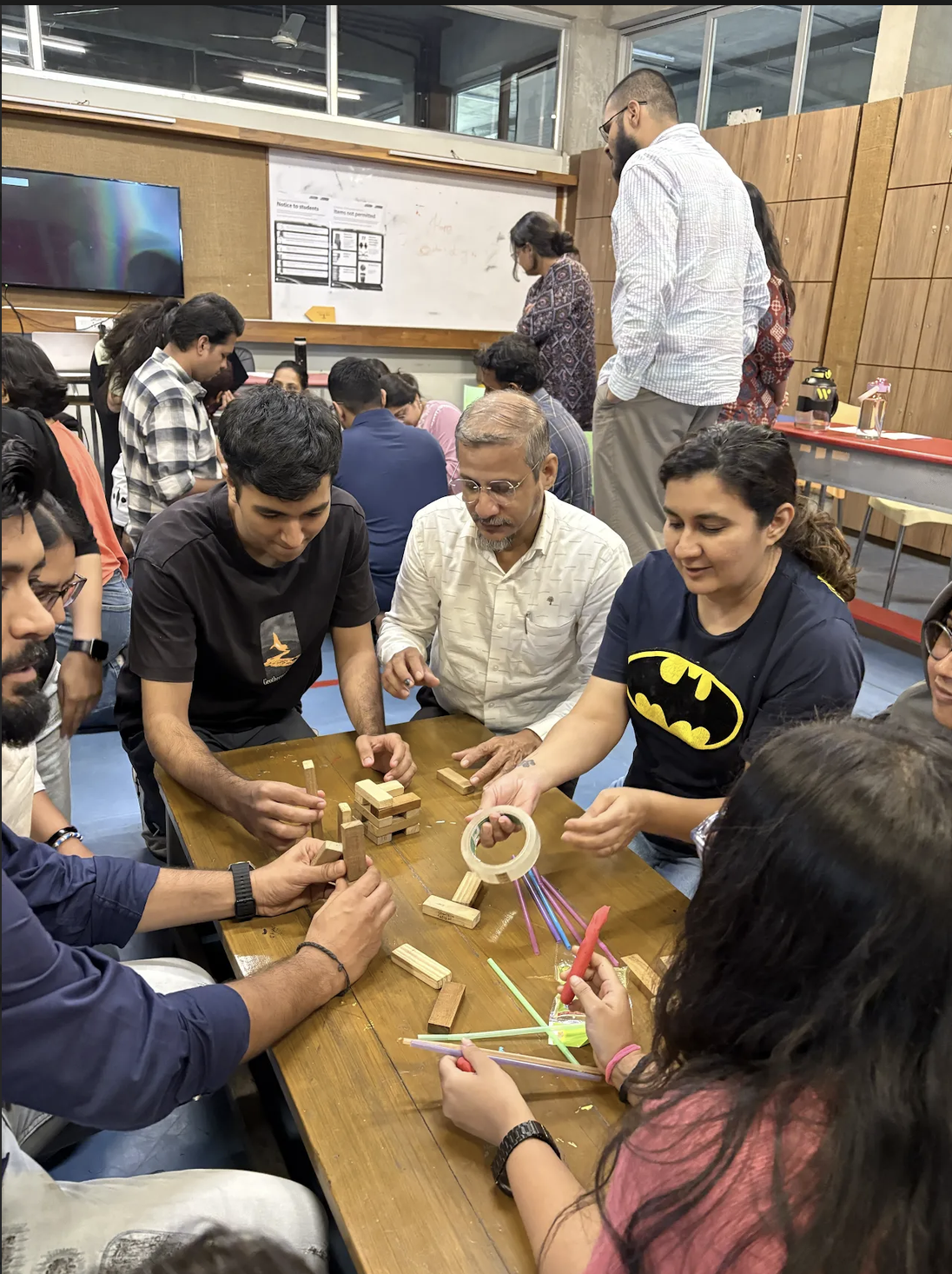
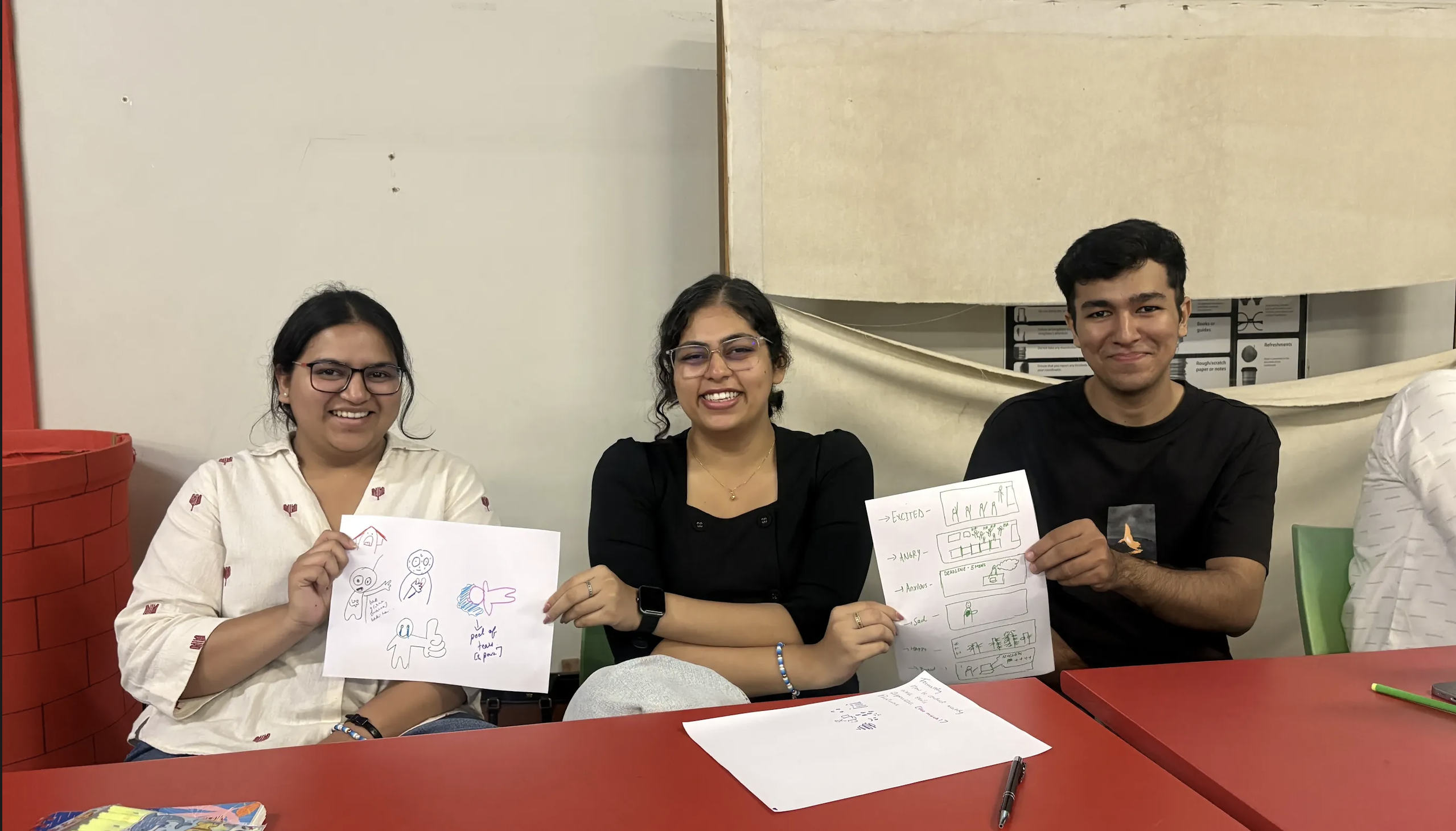
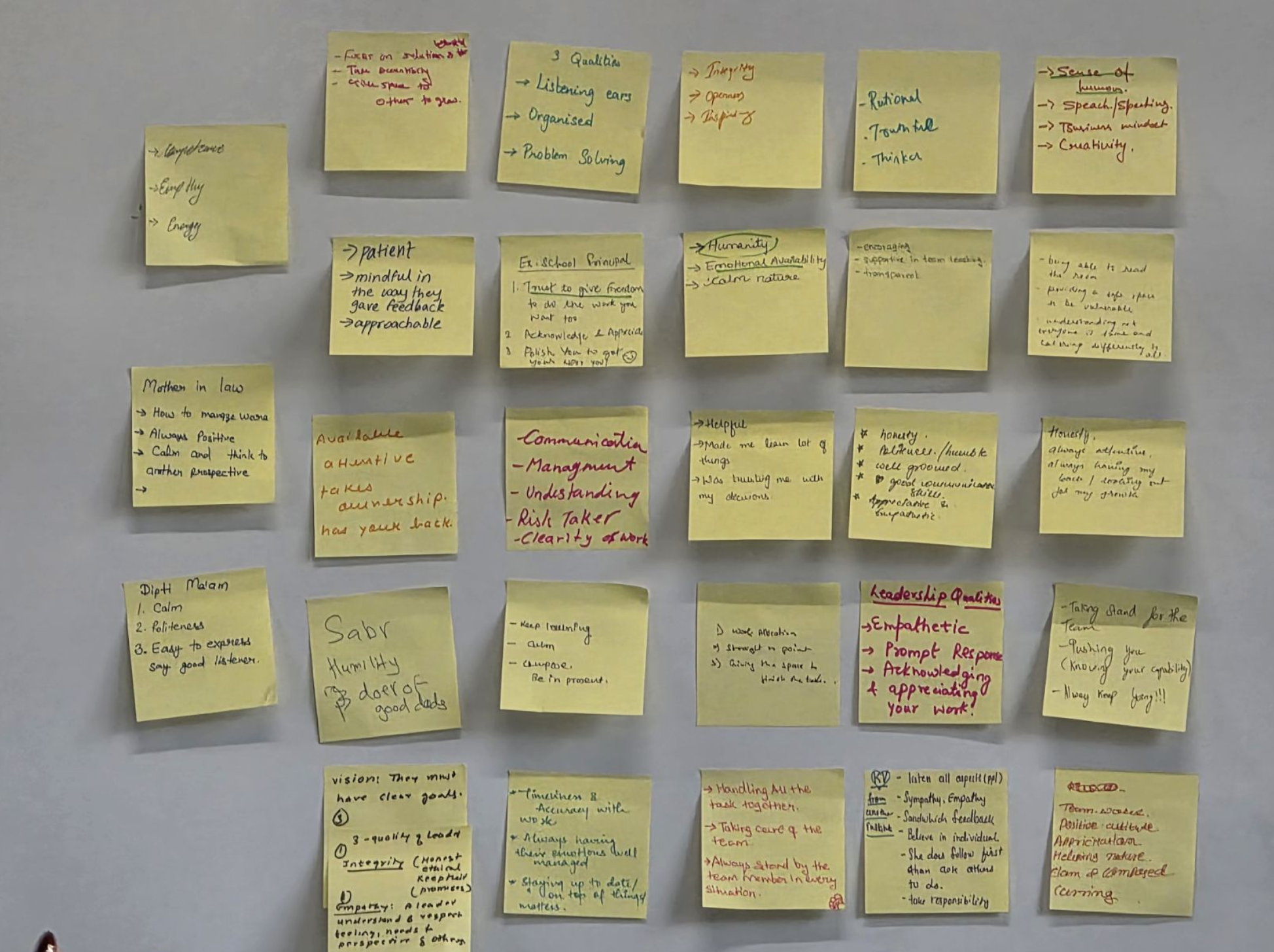
This year, the theme of our Life Class has been People Skills and Emotional Intelligence, and it has been a wonderful journey of learning, reflection, and personal growth.Bhumika Ma’am and Arshi Ma’am have guided us through a series of meaningful discussions and activities that have encouraged us to look beyond academic success and understand the importance of how we interact with ourselves and others.Throughout this journey, we explored fascinating concepts such as amygdala hijacking, the qualities of a good leader, psychological safety, reaction versus response, and the Johari Window. Each of these topics offered valuable insights into human behaviour, relationships, and leadership.My Learning and ReflectionOne of my biggest takeaways from these sessions has been understanding that emotional intelligence is not about ignoring emotions, but about recognising and managing them effectively. Learning about amygdala hijacking helped me understand why people sometimes react impulsively when they feel stressed, frustrated, or threatened. It made me reflect on my own responses and the importance of pausing before reacting.The discussion on reaction versus response was particularly meaningful to me. It reminded me that while I may not always be able to control what happens around me, I can choose how I respond. This is something I hope to practise more consciously in my personal and professional life, especially during moments of disagreement or pressure.The concept of psychological safety also made me reflect on the kind of environment I create for the people around me. I realised that making others feel safe is not just about being approachable; it is also about listening without judgement, respecting different perspectives, and allowing people to express themselves without fear of embarrassment.The Johari Window encouraged me to think more deeply about self-awareness and the importance of feedback. It reminded me that there may be aspects of my personality or behaviour that I do not always recognise, but that others may notice. Being open to feedback, therefore, is an important part of personal growth.The discussions on leadership and how leaders can act as mirrors also made me reflect on my own role as an educator. I realised that leadership is not only about giving instructions or guiding others; it is also about modelling the behaviour, values, and attitudes I hope to see in the people around me. The way I communicate, respond to challenges, and treat others can have a lasting influence.Overall, these sessions have encouraged me to become more mindful of my emotions, more empathetic towards others, and more intentional in the way I communicate. They have reminded me that people skills are not simply concepts to be discussed in a classroom, but skills that need to be practised every day.As I continue to grow both personally and professionally, I hope to carry these lessons with me and become a more self-aware, compassionate, and emotionally intelligent individual.A heartfelt thank you to Bhumika Ma’am and Arshi Ma’am for making our Life Class such a meaningful and enriching experience.

Book Club – Day 1 and Day 2 Reflection

Our Life Class – Book Club was a meaningful experience that gave us the opportunity to reflect on life, our experiences, and the lessons we learn as we grow. Over the two days, our discussions were centred around the book titled – Before the Coffee Gets Cold by Toshikazu Kawaguchi and the idea of how our past shapes us and influences the way we move forward in life.On the first day, we discussed on the idea that we cannot change the past. There may be moments in our lives that we wish we could go back to or change, but the reality is that what has happened cannot be undone.This becomes the central idea of the story and encourages us to think about why revisiting the past can still be meaningful, even when we cannot change it.We may not be able to change what happened, but looking back can help us understand things from a different perspective. With time, we may see situations, people, and even our own actions differently. This new understanding can help us find meaning in our experiences and learn from them.Our discussion became deeper after watching Remarkably Bright Creatures. It helped us think about how, even though we cannot change our past, we can change the way we understand it. The past may remain the same, but our perspective can change. We can learn from our experiences and use those lessons to make better choices as we move forward.

On the second day, we began by watching The Boy, the Mole, the Fox and the Horse movie . The story connected beautifully with the ideas we had discussed on the first day and helped us reflect further on life and personal growth.We talked about how our past experiences shape who we are. The good moments, the difficult experiences, the mistakes we make, and the people we meet all play a part in helping us grow. As we continued our discussion, we explored how looking back at our past can help us navigate the present and the future more easily.

Thoughts on people management year 2

I am one of those people who chose this topic as opposed to my batch and my facilitators who got it involuntarily. I am someone who wants to grow in terms of my social skills and thought this would be beneficial for my growth, after sailing for the 1st 2 days, I was correct, these sessions truly proved to be full of insights, full of solving doubts that I had (creating a few more though) but I’m sure I’ll be able to navigate through them once again.

Obviously in understanding others, we first need to understand ourselves, not only emotionally but even be self aware, and through the Johari Window, that helped us know each others possible blindspots, the facade in our heads and made us mentalize.

I also was able to generalise that in order to grow yourself and others, stopping to think, evaluating other perspectives, and having delayed gratification most likely ensures us to grow as a community and not just personally, but that does require exercising our SABR muscle and that will definitely help us overcome our amygdala hijacks, and not make impulsive decisions that we may regret later, but rather decide emotionally intelligent responses. As emotions can’t be controlled, they can be managed.

Today’s AI Life Class 🤖✨

આજની AI Life Class માં મેં Field Trip Events માટે AI અને automation નો practical ઉપયોગ શીખ્યો. મેં event details, notifications, emails, sample letters, location, calendar અને Google Sheets જેવી ઘણી વસ્તુઓ AI દ્વારા manage કરવાનું શીખ્યું.

આજે મને સમજાયું કે AI ની મદદથી repetitive કામ સરળતાથી અને automatically કરી શકાય છે. Overall, આજનો class મારા માટે ખૂબ જ interesting અને નવી learning experience રહ્યો. 🚀

my learnings of 2 days

During these two days of Life Class, I learned a lot about myself and the way I respond to different situations. One of the most important things I understood was the difference between reacting and responding. I realised that when I experience strong emotions like anger, frustration, or fear, I may sometimes react immediately without thinking about how my words or actions could affect others. Learning about the concept of amygdala hijack helped me understand why this happens. I learned that simply pausing, taking a breath, and giving myself a moment to think can help me respond in a calmer and more thoughtful way.I also learned what it truly means to be a team player. Being part of a team is not only about contributing my own ideas, but also about listening to others, understanding different perspectives, supporting my teammates, and working together towards a common goal. The activities and discussions helped me understand the importance of empathy, active listening, self-awareness, and emotional management.Overall, these two days made me reflect on how I handle my emotions and interact with the people around me. I feel that the skills I learned will help me become more patient, understanding, and responsible in my everyday life. Most importantly, I learned that I cannot always control what happens around me, but I can learn to control how I respond to it.

Life class year 2

Over the past two days in Life class, I had a very interesting and meaningful experience learning about emotional intelligence. Before these lessons, I did not fully understand how our emotions could affect the way we think and behave. One of the most memorable topics we discussed was the amygdala hijack. This happens when strong emotions such as anger, fear, or stress take control of our minds and cause us to react without thinking clearly. I realised that I have experienced this before, especially when I am upset or under pressure. However, I learned that taking a moment to pause, breathe deeply, and think before responding can help me stay calm and make better choices. We also learned about self-awareness, empathy, active listening, and the importance of expressing our feelings in a respectful way. These lessons helped me understand myself and other people better. I now know that emotional intelligence is important because it can help me solve problems, handle difficult situations, and build stronger relationships. Overall, the two days in Life class were valuable because I learned skills that I can use not only in school, but also in my everyday life.

From Learning to Action: Exploring AI in Education

Artificial Intelligence is becoming an increasingly valuable part of educational practice, offering opportunities to streamline routine tasks, organise information and support informed decision-making. The two-day professional learning session gave me the opportunity to explore these possibilities through both a critical framework and hands-on experimentation.

One of the key concepts introduced was the PACE framework: Problem Solving, Assumption Audit, Consequence Mapping and Evidence Gap. It provided a simple way to approach AI thoughtfully – by defining the problem, questioning assumptions, considering possible consequences and identifying what information may still be missing. This framework reinforced the importance of having a clear purpose when using AI.

Exploring Google Workspace Studio

The most practical part of the session was learning to use Google Workspace Studio to create workflows for authentic tasks from my own professional context. This hands-on experience helped me see how AI-powered automation could be applied to everyday educational practice.

One workflow I created was designed to identify and prioritise important emails. With the volume of communication educators receive each day, significant messages can easily get overlooked. The workflow can help bring important emails to my attention, making communication more manageable and supporting timely follow-up.

Another set of workflows connected directly with my work in the library and focused on understanding student reading preferences.

Listening to Our Readers

I created workflows for Grades 7 to 10 to identify the genres students enjoy reading. By collecting and organising student responses, the workflows can reveal patterns in reading preferences across different grade levels.

The data can help answer questions such as, ‘Which genres are most popular?’ ‘Do preferences change as students progress through the grades?’ ‘Are there genres that students would like to see more frequently in the library?’

These insights can contribute to the library collection development. Student preferences will be considered; their responses will provide an important perspective when deciding which books and genres to be added to the collection.

The goal is to create a library where students have access to books that reflect their interests while also encouraging them to explore unfamiliar genres and authors. Giving students greater choice can help foster engagement and develop a stronger reading culture.

Reflection and Looking Ahead

The session shifted my perspective from simply exploring what AI can do to considering where it can add genuine value to my practice. Creating workflows for real tasks made the learning immediately relevant and demonstrated how small, purposeful applications can make a meaningful difference.

I also came away with a greater appreciation of the need to evaluate AI outputs rather than accept them automatically. For me, the most valuable outcome of the session was not learning a collection of new tools but developing a more intentional approach to choosing and applying them. The next step is to continue experimenting, evaluating what works, and identifying opportunities where AI can genuinely support my students and my practice.

Critical Think : BETA

In our first session, what stood out for me was the idea of Systems Thinking — System 1 and System 2, understanding reflexive/inituitive versus reflective thinking, and the different ways we approach situations through the four “thinkers” — the Preacher, Prosecutor, Politician and Scientist. It made me reflect on how easily we become attached to defending what we already believe, rather than staying open to questioning and examining our thinking.

In our second class, I particularly enjoyed unmasking cognitive illusions and understanding how our minds can sometimes lead us to assumptions that may not necessarily be true. The activity of taking a belief, finding a counterclaim, and being willing to modify or rethink that belief was especially powerful. The idea of attaching our ideas, not our identities, resonated strongly with me. When a belief becomes part of our identity, questioning it can feel like questioning who we are. Separating our identity from our ideas allows us to be more open-minded, curious and willing to change our thinking when new evidence emerges.

1 5 6 7 8