This reflection helped me pause and think about how I understand myself and others, especially in terms of mindset and motivation.
I began by looking at the idea of mirror and reflect. The “mirror” is about honestly noticing my own thoughts, reactions, and patterns. It is about asking myself: What am I feeling? Why did I respond in this way? The “reflect” part goes deeper—thinking about what these responses mean and how they affect others around me. This process made me realise that awareness is the first step towards meaningful change.
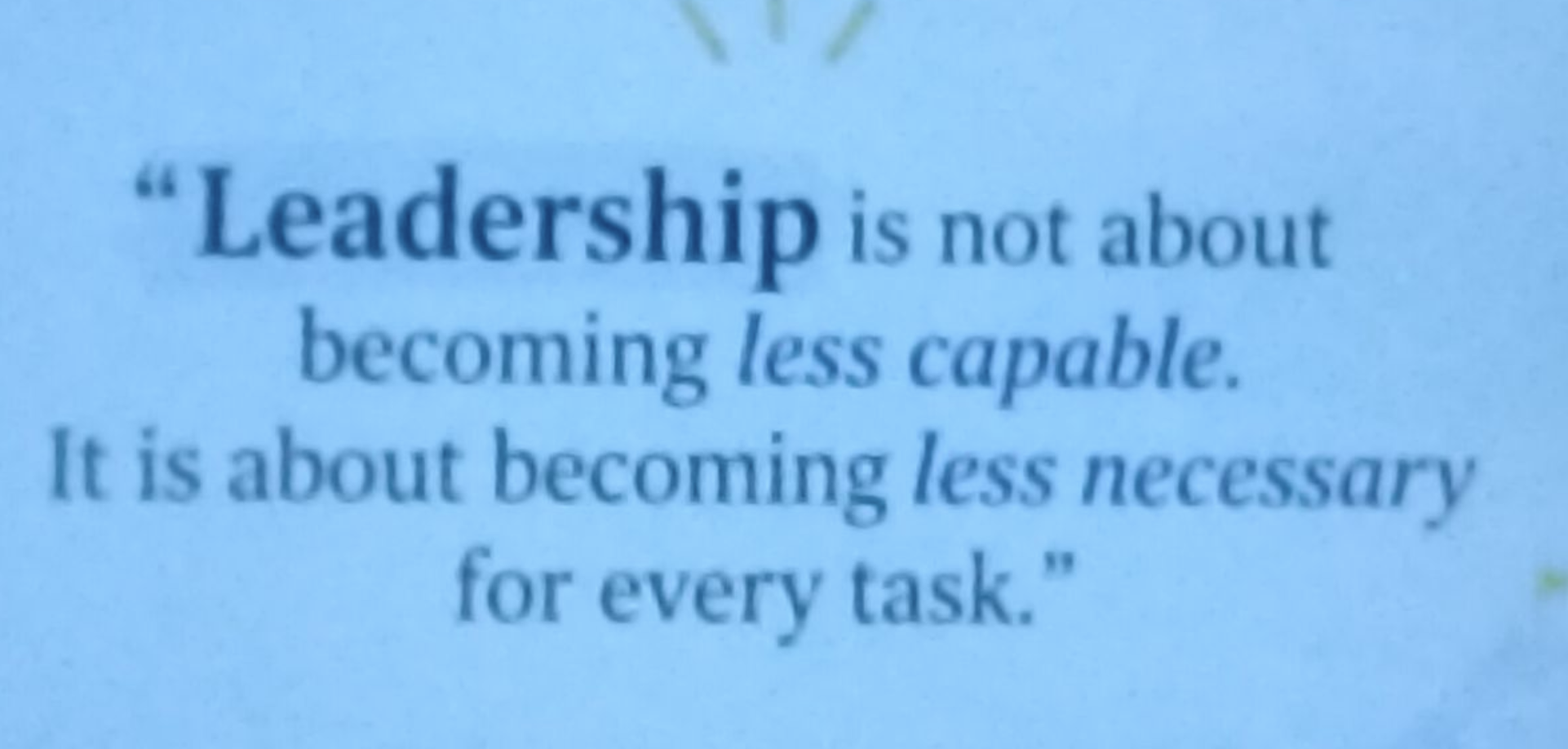
Another important learning was the difference between an individual mindset and a manager mindset. When I operate with an individual mindset, I focus mainly on my own tasks, goals, and performance. However, a manager mindset requires me to think beyond myself—to consider the needs, motivations, and perspectives of others. It involves guiding, supporting, and creating an environment where everyone can do their best. Shifting between these mindsets is important depending on the situation.
I also explored intrinsic and extrinsic motivation. Intrinsic motivation comes from within—doing something because I enjoy it or find it meaningful. Extrinsic motivation, on the other hand, is driven by external rewards or recognition. I noticed that while extrinsic motivation can help in the short term, intrinsic motivation creates deeper engagement and long-lasting commitment. This made me reflect on what truly drives me and how I can nurture intrinsic motivation in myself and others.
Creating my personal motivation map helped me connect these ideas. It allowed me to identify what energises me, what drains me, and what influences my actions. I realised that my motivation is not fixed—it changes based on context, people, and experiences. Being aware of this helps me make more intentional choices.
The four-step process of noticing and responding gave me a practical way to handle situations:
First, noticing what is happening without immediate judgement.
Second, pausing to understand the situation and my reaction.
Third, choosing a thoughtful response instead of reacting impulsively.
Finally, reflecting on the outcome and what I can learn from it.
This process encourages me to be more mindful and less reactive.
When thinking about reasons, I understood that behaviour is often influenced by underlying factors such as emotions, past experiences, or unmet needs. Instead of making quick assumptions, it is important to look deeper and try to understand the “why” behind actions.
In terms of what I observed, I noticed patterns in how I and others respond under pressure, how motivation changes in different environments, and how small shifts in mindset can make a big difference in outcomes.
Finally, this reflection helped me think about what questions to ask. Some important questions I can carry forward are:
- What is really driving this behaviour?
- Am I reacting or responding thoughtfully?
- How can I support myself or others better in this situation?
- What can I learn from this experience?
Overall, this process helped me become more aware, more reflective, and more intentional in my actions. It reminded me that growth comes not just from what we do, but from how we think about what we do.